
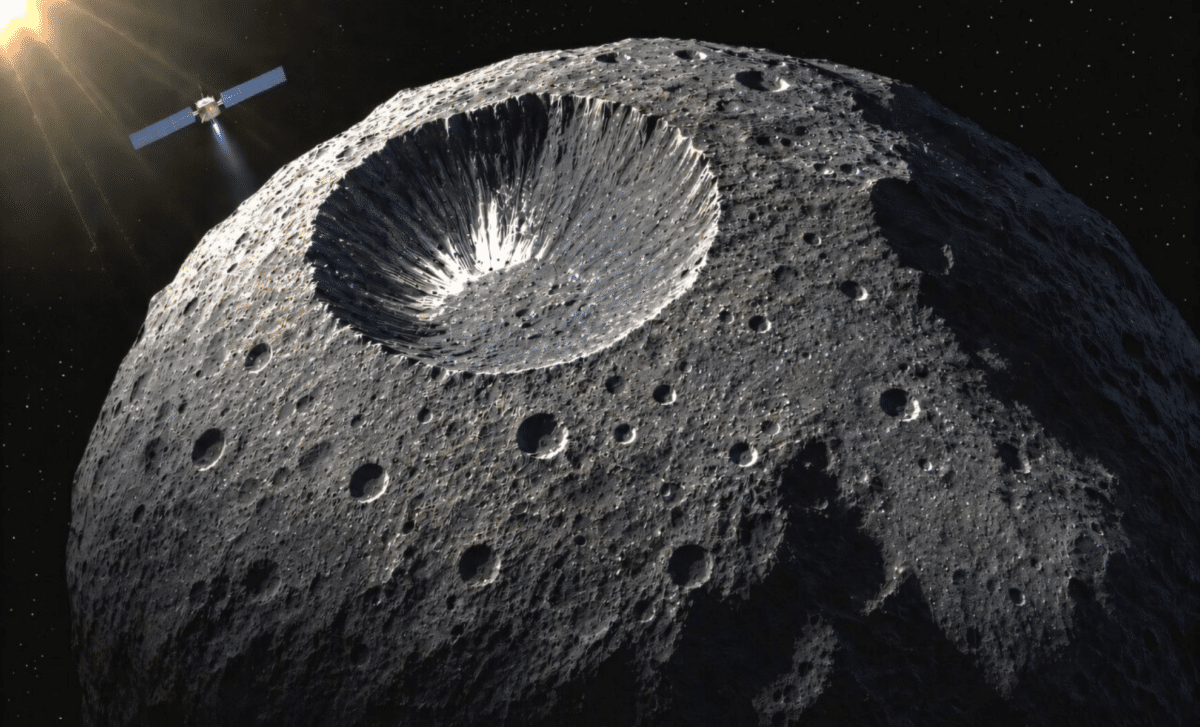
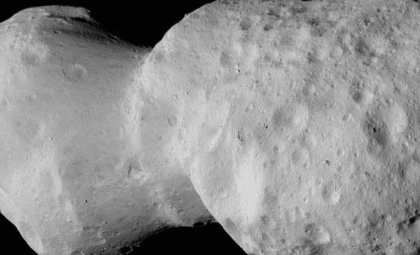
The rugged terrain of asteroid Vesta is constantly evolving, preserving subtle records of impacts, debris movement, and landslides that are only now being uncovered. Variations in surface brightness indicate areas where fresh material is newly exposed versus regions gradually altered by space weathering and time.
Leveraging imagery from NASA’s Dawn spacecraft paired with sophisticated photometric analysis, a recent study published in Astronomy & Astrophysics uncovered a clear pattern: the brightest surface deposits align with the most recently disrupted landscapes. This breakthrough allows scientists to use reflected light as a powerful tool for revealing recent geological events on airless bodies, where erosion behaves differently than on Earth.
Tracking Surface Changes through Brightness Variations on Vesta
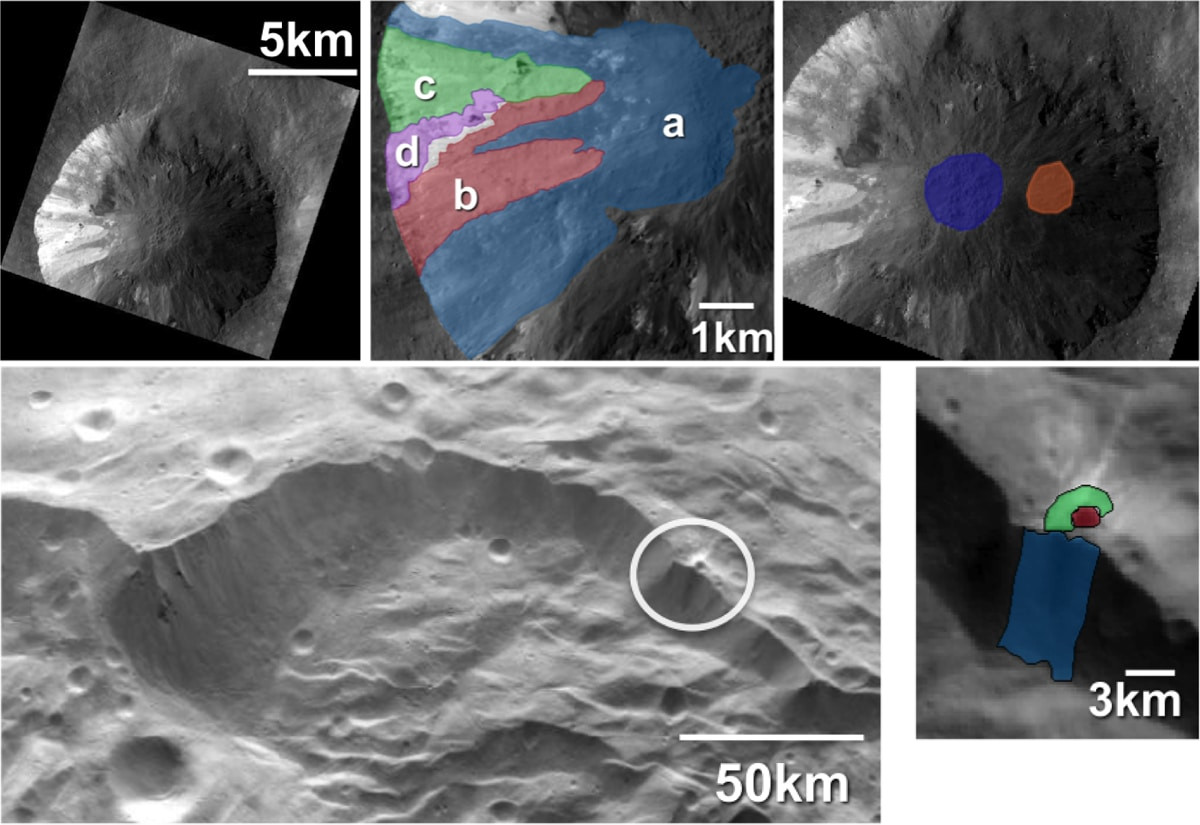
The surface of asteroid Vesta is far from dormant. It is continuously reshaped by impacts, debris flows, and slow grain shifts along crater walls and cliffs. This investigation zeroed in on two prominent locations: avalanche deposits within Cornelia crater and a relatively fresh ejecta blanket near Matronalia Rupes. Both regions stand out in Dawn’s imagery because of their significantly higher reflectivity compared to their surroundings. However, brightness alone can be deceiving, affected by factors like particle size, texture, viewing angle, and age of exposure. What seems straightforward to the eye requires nuanced interpretation to distinguish true surface freshness from optical effects. The research team endeavored to untangle these intertwined influences to isolate the indicators of geological youth.

Unveiling Surface Properties Through a Bayesian Hapke Approach
To decode the physical characteristics embedded in Dawn’s images, researchers applied Hapke’s photometric model, a framework describing how light scatters off particulate surfaces under various lighting conditions. While widely employed in planetary science, its integration within a Bayesian framework significantly enhances its capability. Rather than delivering fixed parameter values, this method produces probabilistic distributions for crucial variables like single-scattering albedo, surface roughness, and grain scattering behavior.
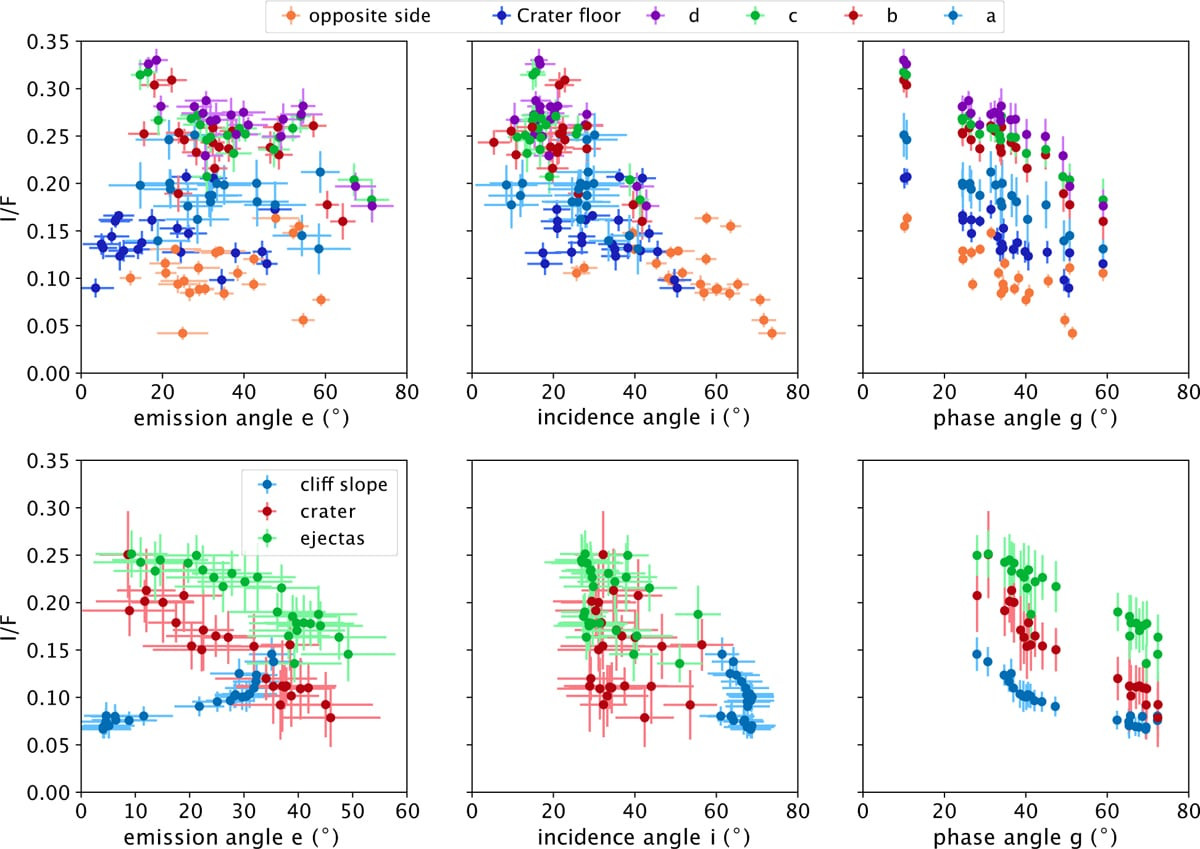
This probabilistic approach openly quantifies uncertainties instead of obscuring them. The findings, detailed in Astronomy & Astrophysics, demonstrate that the most reflective sites consistently show elevated scattering efficiency, even after correcting for viewing angles and opposition surge effects. This robust relationship links brightness directly to recent surface exposure, rather than mere geometry.
Fresh Landslides as Indicators of Geological Recency
Examining both Cornelia crater and Matronalia Rupes reveals a consistent trend: newly disturbed deposits are notably brighter than surrounding areas. In Cornelia, material from landslides exhibits higher reflectivity compared to the crater floor and opposing walls. Near Matronalia Rupes, the recently deposited ejecta from a relatively young impact crater stands out distinctly against older, weathered surfaces.
This consistent brightness gradient persists across different modeling scenarios, underscoring that the phenomenon is inherent to the surface processes rather than an artifact of data analysis. The results suggest that mechanical actions like avalanches and impacts churn up surfaces with distinctive grain properties—such as finer particles or less weathered grains—that boost reflectance. Over extended periods, solar wind and micrometeorite exposure darken and homogenize the regolith, erasing the initial brightness signatures.
Illuminating Airless Bodies’ Evolution Through Surface Brightness
The study's implications reach beyond Vesta, applying to other airless worlds like the Moon, asteroids, and many moons of the solar system. Without atmospheres, their surfaces retain physical records shaped mainly by impacts and regolith movement. This research shows that photometric measurements can add a temporal perspective to the traditional spatial mapping of these surfaces. Brightness transforms from a simple optical property into an indicator of relative surface age and disturbance history.
While exact dating remains challenging, establishing relative "freshness" sequences provides a powerful comparative approach. This technique promises to refine models of regolith evolution and better characterize how these small bodies respond to constant space weathering and bombardment. In doing so, reflected light becomes a chronological archive of recent geological activity, turning distant planetary snapshots into dynamic stories of change.
Light as a Chronicle of Geologic Processes
The broader impact of this work lies in converting optical data into a tool for geological memory. On Vesta, avalanches and impact events don't merely alter the landscape—they effectively reset the surface’s reflective qualities in detectable ways. By linking brightness patterns to physical processes, scientists gain a novel method for monitoring surface renewal in environments where direct sample collection is impractical.
The fusion of spacecraft imagery, physical scattering models, and robust statistical inference offers a model for forthcoming investigations of small Solar System bodies. As exploration missions progress, this approach could pinpoint recently active regions, deepening our understanding of how these primordial objects continually evolve within the vast silence of space. Even the slightest variations in reflected sunlight can now reveal timeless geological insights.
- Categories:
- Astronomy







0 comments
Sign in to Comment