

This August, skywatchers will be treated to an extraordinary astronomical spectacle—a lineup of six planets visible just before dawn on August 28, 2024.
Such alignments are uncommon, making this event a must-see for astronomy fans everywhere. It marks the first major planetary alignment since a similar event in June 2024 that captivated stargazers globally.
Understanding a Planetary Alignment
A planetary alignment happens when several planets appear clustered in a line as seen from Earth. The more planets involved, the rarer the phenomenon. In this upcoming event, six planets—Mercury, Mars, Jupiter, Uranus, Neptune, and Saturn—will stretch across the early morning sky in a unique celestial formation.

The timing of these alignments is driven by the orbital speeds and positions of the planets around the Sun. Occasionally, these paths line up from our vantage point, creating the striking visual effect of a planetary parade. While smaller groupings of three or four planets are more frequent, this six-planet event is particularly special.
As noted by NASA, observing multiple planets in one view offers a vivid illustration of our solar system's dynamic interplay.
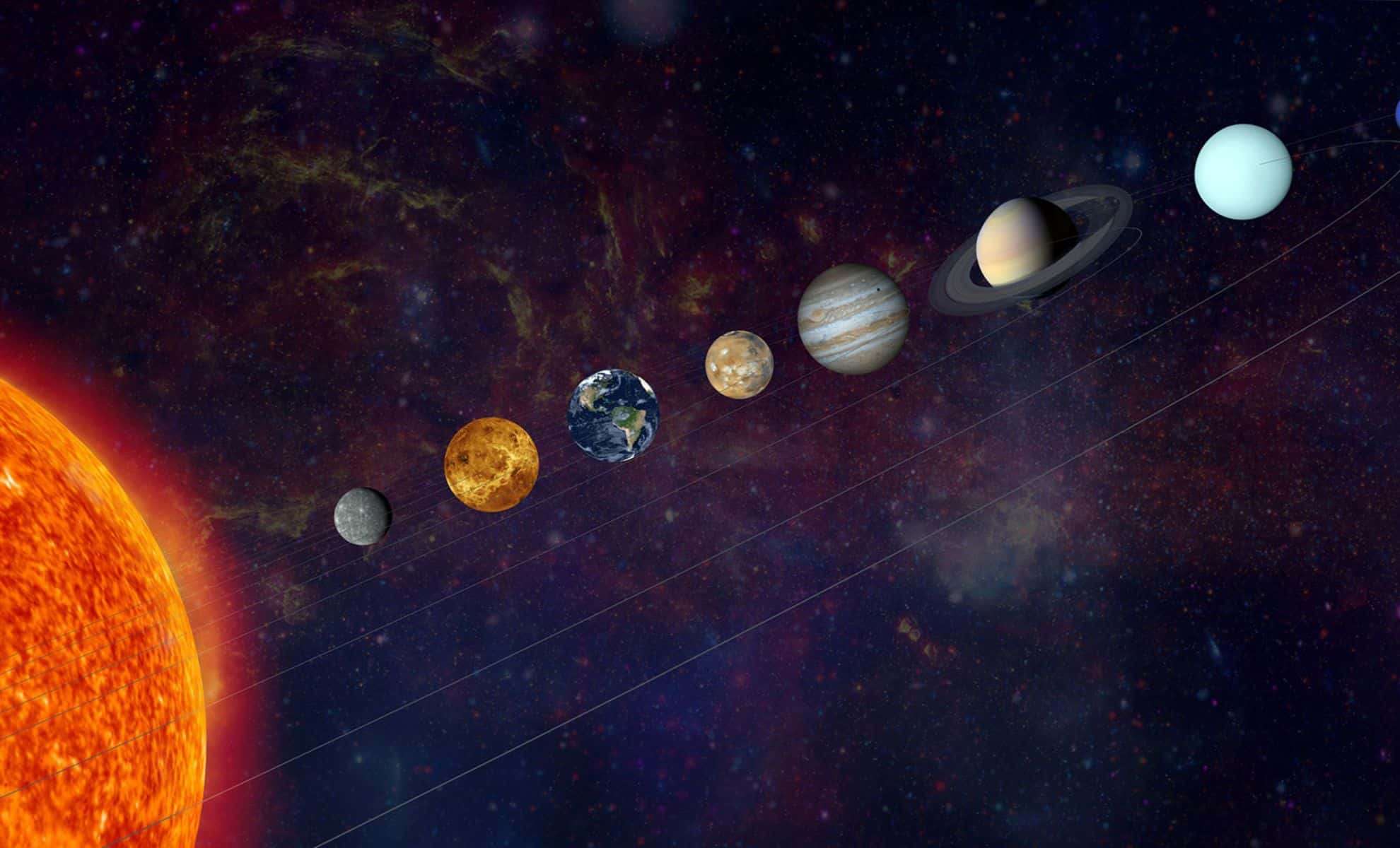
Planets Participating in the August Alignment
The lineup includes six planets: Mercury, Mars, Jupiter, Uranus, Neptune, and Saturn. Their visibility will vary with location and equipment.
- Saturn will be among the first visible, appearing in the constellation Aquarius with a noticeable yellow tone. It will be easy to view without tools from late evening onward.
- Neptune appears near Pisces, but due to its faintness, it requires a telescope or strong binoculars to be seen.
- Uranus will rise later in Taurus and also needs optical aid for clear visibility.
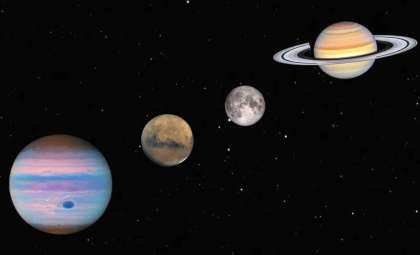
- Jupiter and Mars will appear close together near the waning crescent moon in Taurus. Both shine brightly enough to be spotted unaided.
- Lastly, Mercury will emerge just before sunrise near the constellation Leo. While close to the horizon and somewhat tricky to view, clear skies should make it visible to the naked eye.
Tips for Observing the Planetary Parade
Plan to be outdoors in the early hours before sunrise on August 28 for the best experience. The planets will rise starting late at night and gradually align as dawn approaches. Viewing conditions rely heavily on weather, so clear skies and low light pollution will improve sightings.
The brighter planets such as Jupiter, Mars, Saturn, and Mercury can be clearly seen without devices, but a telescope or binoculars will greatly enhance views of Neptune and Uranus. Since the planets will be spread across different constellations, observers should be ready to scan the sky from Aquarius to Leo.
Photography enthusiasts may want to use long-exposure techniques to capture the entire lineup in one frame, though this can require patience and careful timing.
The Importance of This Astronomical Event
The six-planet parade of August 2024 is not only a visual wonder but also a testament to the intricate movements governing our solar system. This rare convergence allows astronomers to analyze planetary motions and gravitational influences in action.
Such celestial occurrences also deepen our connection to space, inspiring wonder and igniting curiosity about the universe. For casual admirers, this alignment is a unique chance to witness the planets gather in a majestic display that is seldom seen, reminding us of the many marvels the night sky holds.
- Categories:
- Astronomy ,
- News ,
- Nasa










0 comments
Sign in to Comment