
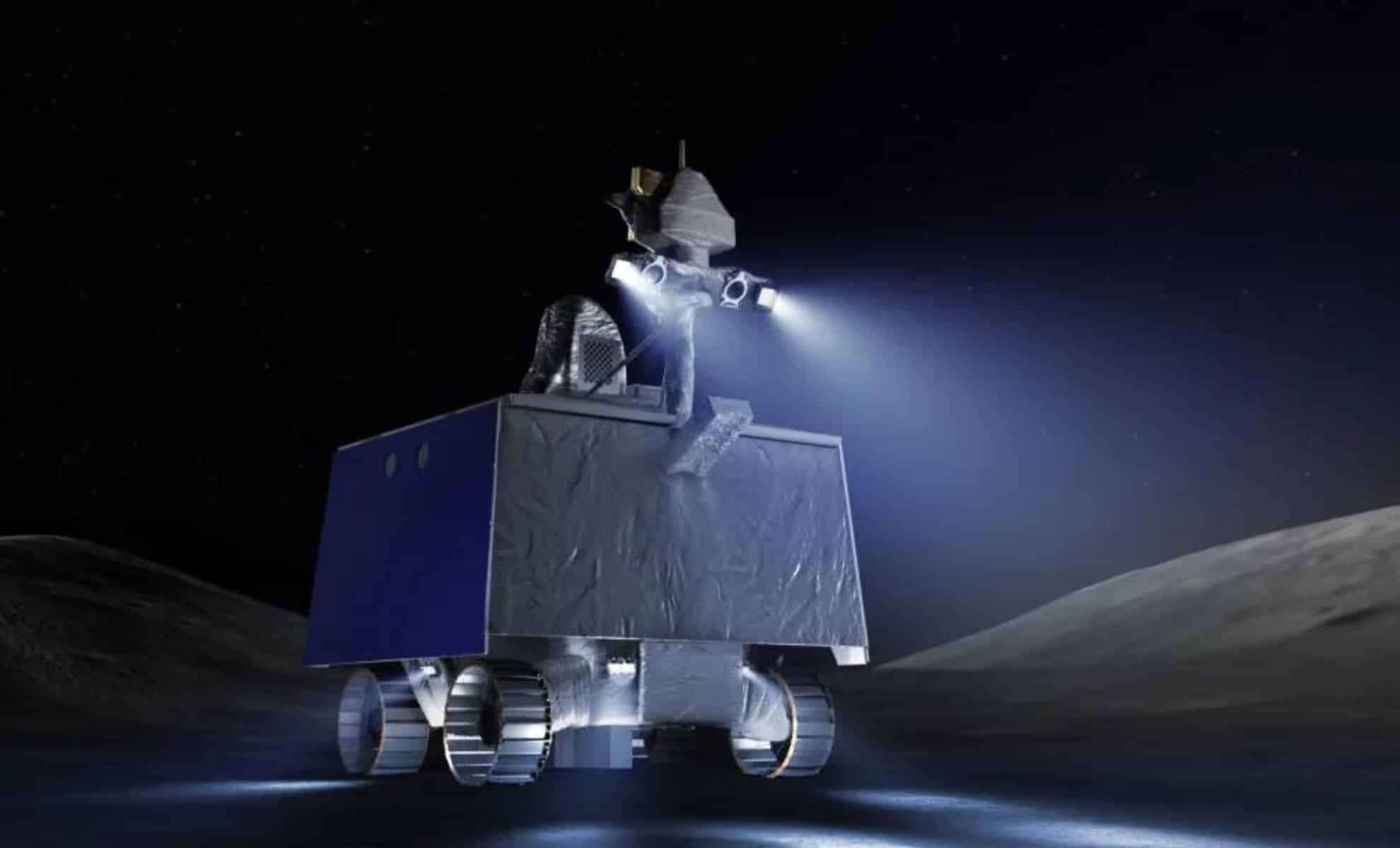
NASA has officially terminated the VIPER (Volatiles Investigating Polar Exploration Rover) project, which was planned to explore the Moon’s south pole to locate water ice deposits.
The announcement on July 17 revealed the decision was driven by escalating expenses and setbacks in the development timeline. Initially greenlit in 2021 with a budget forecast of $433.5 million, cost projections have surged to $609.6 million, with a launch originally slated for September 2025.
Challenges Behind the Mission’s Termination
VIPER encountered multiple obstacles, including ongoing supply chain disruptions that hampered the arrival of essential parts. These complications, which started amidst the global pandemic, were worsened by the rover’s intricate design.

Joel Kearns, NASA's deputy associate administrator for exploration at the Science Mission Directorate, likened the rover’s build process to assembling a compact car from the inside out and stressed how recurring delays of critical components affected progress. “The delays occurred repeatedly across various critical parts,” he noted, emphasizing that these were incremental rather than singular large setbacks, complicating management efforts.
These interruptions resulted in continuous postponements in the assembly, integration, and testing stages. Kearns explained that many delayed parts were vital internal elements of the rover, further increasing the complexity of remaining on schedule.
During a briefing, Nicky Fox, NASA’s associate administrator for science, addressed the financial pressures created by VIPER’s ballooning budget. Fox stated, “Completing VIPER would have forced us to cancel or severely impact several other missions in our Commercial Lunar Payload Services portfolio.”
Consequently, NASA chose to cancel the VIPER mission to safeguard its broader mission portfolio and maintain a sustainable balance in funding allocations across projects.
Budgetary Effects and Next Steps
Ending the VIPER mission is expected to save NASA upwards of $84 million, with greater savings likely if the project’s launch had slipped past November 2025. Launch delays beyond this date would have forced a 9 to 12-month pause until the lunar south pole experienced optimal lighting conditions for landing.
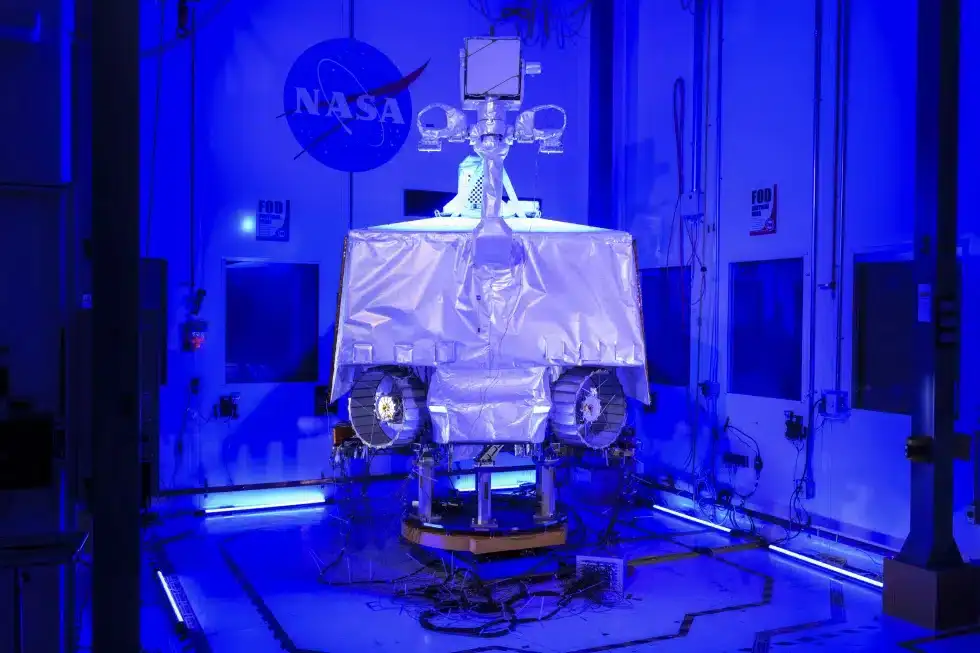
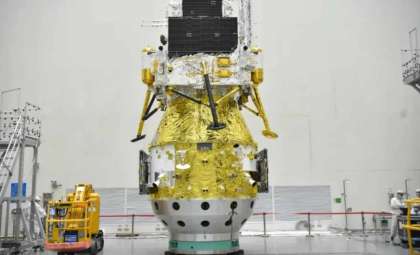
Kearns noted that although the rover’s assembly is complete, only initial environmental tests have been conducted. The revised budget and timeline assumed no further problems would emerge during these tests, which is uncommon for spacecraft development. “System-level environmental testing usually uncovers issues that need correction, which adds time and cost,” he explained, suggesting that unforeseen technical challenges could have raised expenses further.
NASA plans to dismantle VIPER and salvage its instruments and parts for future use. The agency has invited proposals from U.S. companies and global partners interested in deploying the rover independently, without charging NASA. These proposals, due by August 1, reflect NASA’s intention to find alternative ways to utilize VIPER's scientific payloads without additional financial burden.
Effect on Astrobotic and Griffin Lander
VIPER was intended to be delivered to the lunar surface by the Griffin lander, produced by Astrobotic Technology under a $322 million Commercial Lunar Payload Services contract. Following VIPER’s cancellation, NASA will retain the Griffin contract but pivot its role to serve as a technology demonstrator.
Instead of carrying the rover, Griffin will transport a mass simulator to assess its ability to land heavy payloads. This change preserves the investment made in Griffin while adapting its mission objectives.
Astrobotic’s CEO, John Thornton, revealed the company is exploring alternative missions for Griffin, including testing its LunaGrid power system. Despite setbacks, Thornton expressed optimism: “I’m an eternal optimist. You kind of have to be in the space industry. I’m excited about what we can turn this into.”
Both Kearns and Thornton stressed the continued importance of the Griffin mission, even in a revised role. NASA considered installing science instruments on Griffin, but since it was architected specifically for a rover payload, it lacks the power and communication capabilities necessary for other missions. “Requesting Astrobotic to modify Griffin’s design would further delay its schedule,” Kearns explained. This pragmatic approach avoids costly delays while maximizing Griffin’s potential.
NASA’s Continued Commitment to Lunar Science
NASA remains dedicated to investigating lunar ice and related science goals through other missions. Various orbiters and landers will undertake many of VIPER’s scientific tasks. Although VIPER’s mobility capabilities will be missed, NASA’s planned Lunar Terrain Vehicle for forthcoming Artemis crewed missions will provide comparable functionality later this decade. This continued focus ensures critical lunar research objectives are met despite changes to individual missions.
The termination of the VIPER project highlights the complex balance between scientific ambitions and fiscal realities in space exploration. NASA’s choice reflects a strategy of prioritizing sustainable budgets and mission portfolios to maintain long-term success in lunar exploration.
Maintaining this balance is vital for securing ongoing public and governmental backing, demonstrating wise resource management while advancing space science frontiers.
- Categories:
- Astronomy ,
- News ,
- Space ,
- Nasa ,
- Aircraft







0 comments
Sign in to Comment