
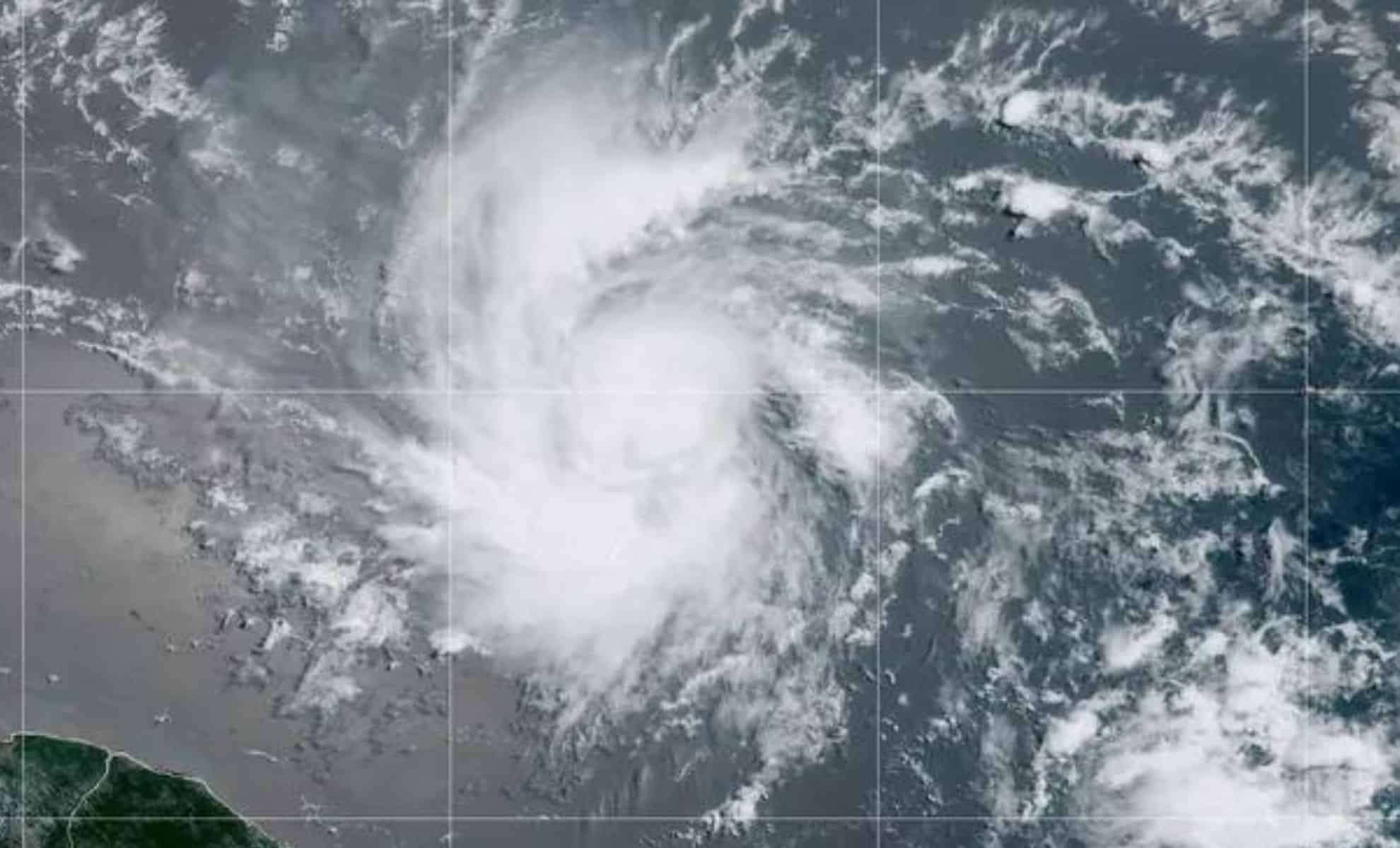
Tropical Storm Beryl has emerged in the Atlantic Ocean and is anticipated to intensify into the season's inaugural hurricane for 2024.
Currently generating sustained winds of 60 mph, the storm is advancing westward at 21 mph toward the Windward Islands. This activity occurs amid forecasts indicating a more active-than-average hurricane season, heightening concerns for locales along its expected route.
Current Status and Formation of Tropical Storm Beryl
First identified on Friday night about 975 miles east-southeast of Barbados, Tropical Storm Beryl is moving into the southeastern Caribbean. Meteorologists predict that it will escalate to hurricane status before reaching Windward Islands like Barbados, Martinique, Grenada, and Dominica.


Although Beryl’s sustained winds are currently recorded at 50 mph, forecasts indicate it could strengthen into a Category 3 major hurricane with wind speeds surpassing 111 mph by early next week.
The National Oceanic and Atmospheric Administration’s (NOAA) National Hurricane Center warns that the storm will likely bring intense rainfall, powerful winds, and potentially life-threatening storm surges to affected regions.
Projected Effects and Safety Measures
Barbados has issued a hurricane watch in anticipation of flash floods and power interruptions. Prime Minister Mia Mottley stressed the importance of readiness, stating, “We need to be ready. You and I know when these things happen, it is better to plan for the worst and pray for the best.” The island is also hosting thousands of cricket fans for the Twenty20 World Cup final, underscoring the urgency of these preparations.
The storm is forecast to deliver up to 6 inches of rain in Barbados and neighboring islands, alongside high surf alerts with waves reaching 13 feet. Tropical Storm Beryl's influence could extend to areas around the Gulf of Mexico, particularly threatening states such as Texas, Louisiana, Mississippi, Alabama, and Florida.
Rare Early-Season Development
The appearance of Tropical Storm Beryl in this segment of the Atlantic is uncommon at this time of year. Historical records show only seven named storms in this region (south of 20 degrees north and east of 60 degrees west) before July 4 over nearly 175 years.
The storm’s early emergence is largely due to lower-than-average wind shear, which normally suppresses storm formation during early summer. Florida hurricane analyst Michael Lowry remarked, “The development of a tropical storm this far east in the tropical Atlantic is uncommon, though not unprecedented.”
Season Outlook and Greater Context
Beryl’s arrival aligns with expectations for a notably active hurricane season. Recent Tropical Storm Alberto caused severe flooding in southern Texas and northeastern Mexico, leading to four fatalities in Mexico.
Forecasters, including NOAA, anticipate a season with 17 to 25 storms, 8 to 13 hurricanes, and 4 to 7 major hurricanes of Category 3 or higher. This forecast is fueled by warm sea surface temperatures and low wind shear, conditions favorable for cyclone formation and intensification.
Guidance for Those in the Storm’s Path
Communities in Beryl’s projected impact zones are advised to take precautionary steps. Hostelry manager Mark Spence from Barbados shared a sense of calm readiness: “It’s the season. You can get a storm any time. I’m always prepared. I always have enough food in my house.” This reflects the practical mindset necessary for areas prone to tropical cyclones.
NOAA and other weather agencies continue to track Beryl’s progression closely, issuing updates and warnings as the situation unfolds. Given the hurricane season spans June 1 through November 30, maintaining vigilance and preparation is key to reducing harm from these natural hazards.
- Categories:
- News ,
- Climate change











0 comments
Sign in to Comment