
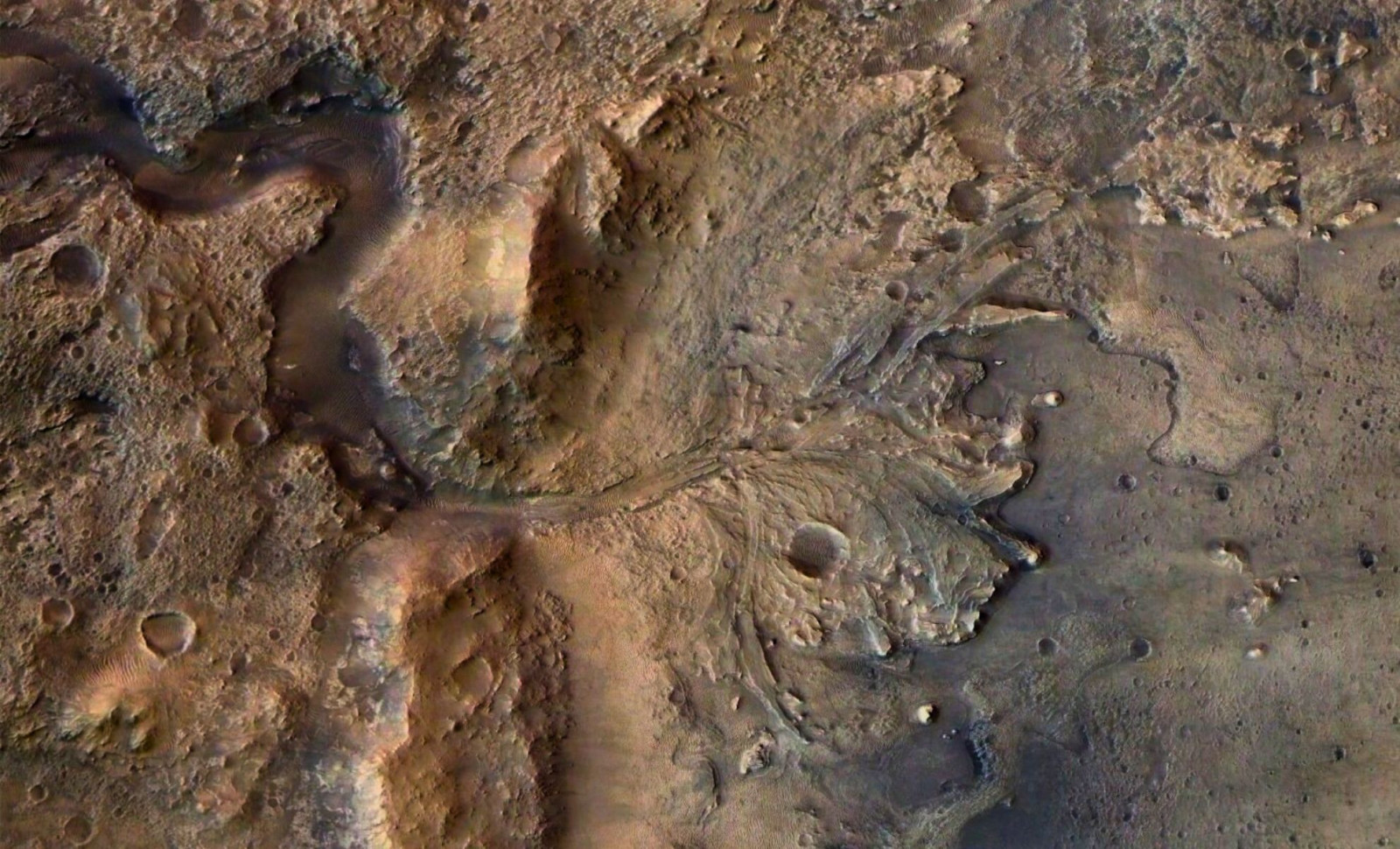
In an ancient dry river channel on Mars, a segment of sedimentary rock may provide vital insight into one of science's greatest mysteries. Though the terrain now lies barren and shaped by eons of wind erosion, its mineral composition hints at past processes driven by biological mechanisms.
Scientists have long hypothesized that early Mars once harbored conditions favorable to life. The challenge has been to discover tangible evidence—distinct signals that can be experimentally validated, with clear chemical explanations and exclusion of other possibilities.
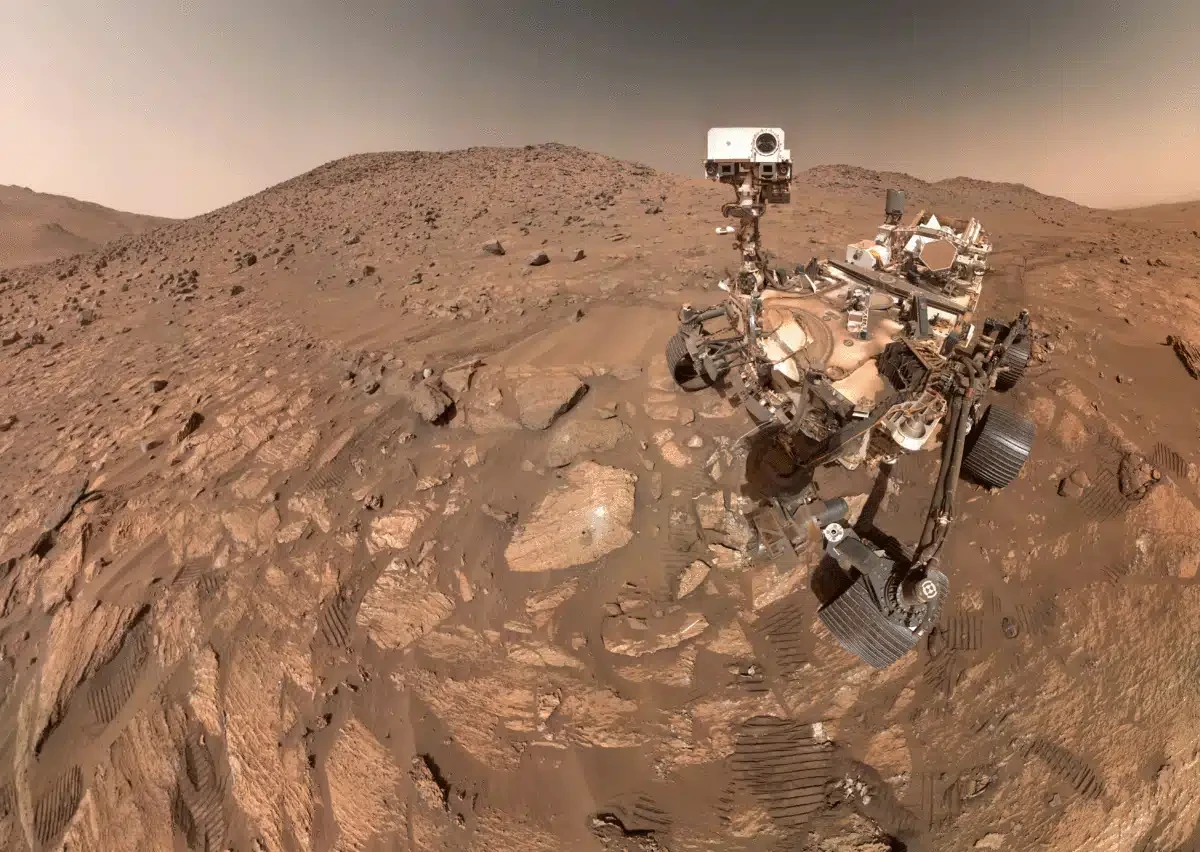
Recent findings from a core sample collected by NASA’s Perseverance rover have moved this investigation forward more decisively than many prior missions. While the evidence stops short of definitive proof, its unusual structure aligns well with known biological activity under similar Earth conditions.

Published in the journal Nature, the study details features identified as a potential biosignature—indications that mimic biological processes but still require further confirmation.
Organic Compounds and Mineral Gradients in Jezero Crater
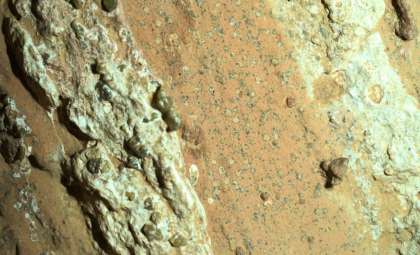
The rock, dubbed Sapphire Canyon, was recovered from Jezero Crater, a prime area known for its ancient waterways and potential habitability. Perseverance extracted the core in mid-2024 from a location named Cheyava Falls, situated within the historic Neretva Vallis riverbed.
The sample contained two iron minerals: vivianite, a hydrated iron phosphate, and greigite, an iron sulfide. Their arrangement stood out, occurring in concentric layers with a greigite center encircled by vivianite, forming patterns commonly referred to as “leopard spots.”
On Earth, these minerals are often linked to microbes, especially in oxygen-poor sediments. Vivianite commonly forms where bacteria reduce iron and bind phosphorus, while greigite emerges from sulfate-reducing bacteria in organic-rich mud. The Martian sample’s configuration closely parallels these biological formations.
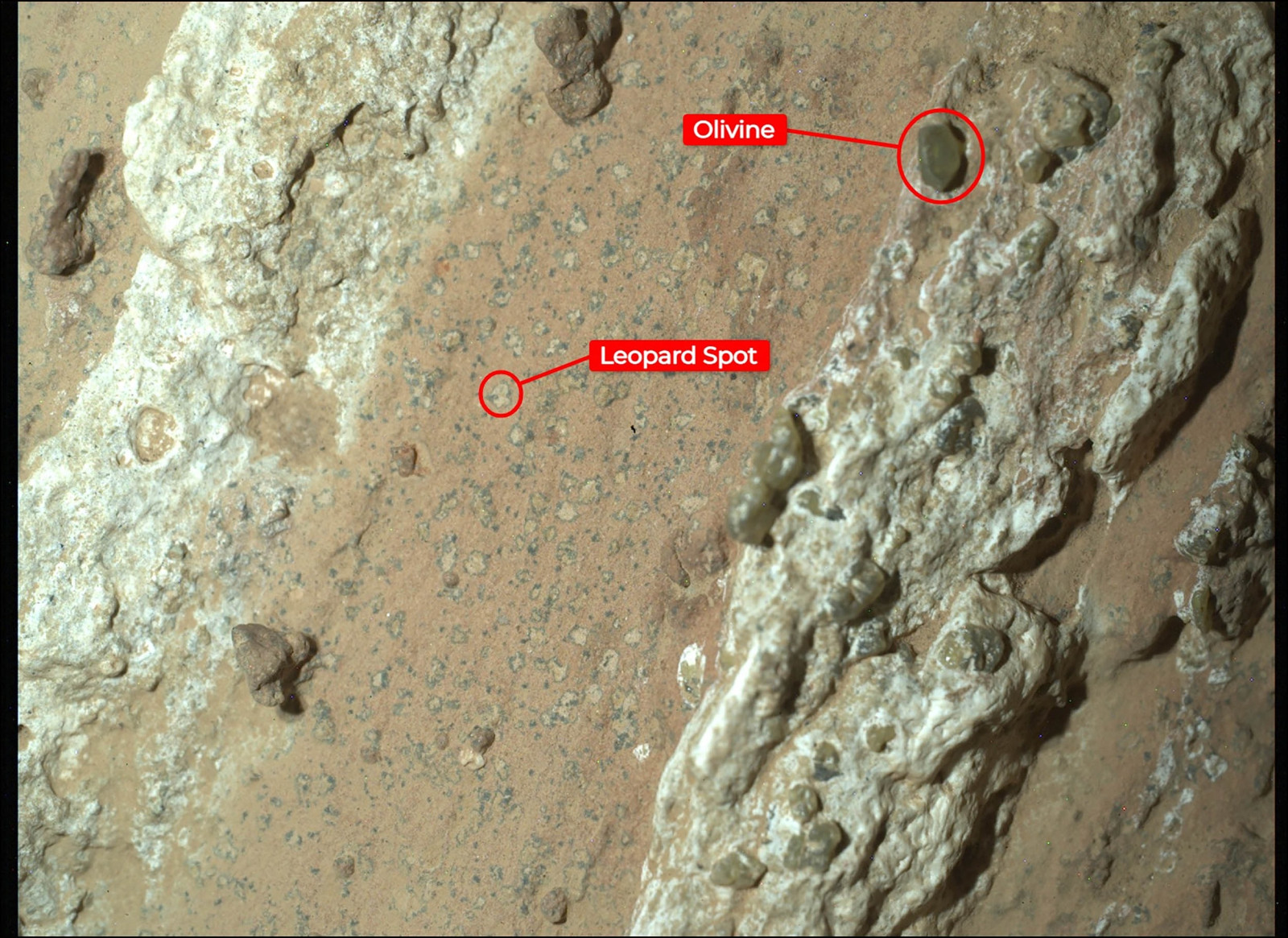
Instruments aboard NASA’s rover, such as PIXL and SHERLOC, also detected organic carbon alongside phosphate, oxidized iron, and sulfur in these zones. According to the NASA press release, these tools were specifically developed to analyze minerals at fine scales to assess past habitability and search for biosignatures.
“The specific chemical makeup found within the Bright Angel sedimentary deposits could have provided ample energy sources to sustain microbial life,” explained Joel Hurowitz, lead author and scientist at Stony Brook University.
Progress in Assessing Signs of Life
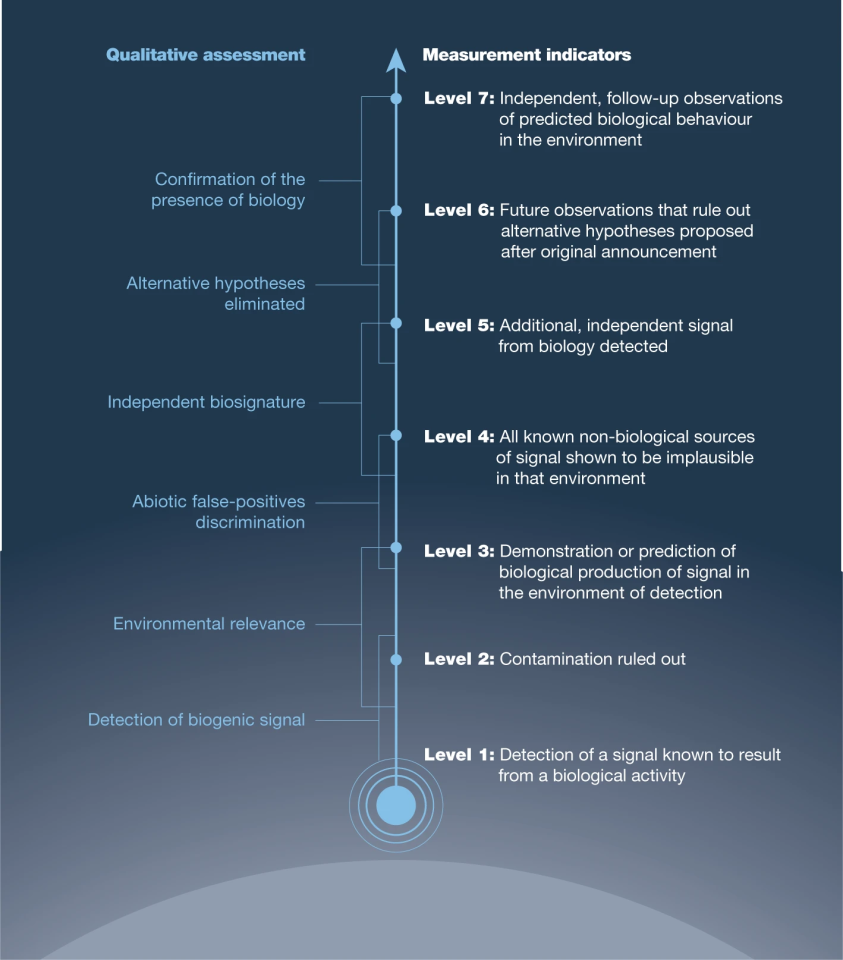
NASA researchers emphasize caution, noting that while their findings satisfy multiple criteria on the agency’s Confidence of Life Detection (CoLD) scale—a framework for grading evidence for life—they still require additional research before higher confidence levels can be reached.
Katie Stack Morgan, deputy project scientist for Perseverance, highlighted the importance of peer review in communicating these results. “Extraordinary claims regarding possible ancient alien life demand extraordinary proof,” she stated.
The team has not ruled out non-biological explanations. They explored whether similar mineral patterns might arise through abiotic processes such as high temperature reactions or interaction with acidic waters; however, no evidence of thermal alteration or acidic conditions was found in the sample.
Although vivianite and greigite can form without the presence of life, on Earth such occurrences are uncommon and linked to specific conditions. The Sapphire Canyon rock’s formation temperature, mineral composition, and environmental context are more typical of low-temperature aqueous habitats where microbes thrive.
Importance for Upcoming Mars Sample Return Missions
The Perseverance rover has gathered 27 such rock cores since its 2021 touchdown, including this sample, which are now preserved for the upcoming Mars Sample Return mission—a collaborative effort to return Martian material to Earth for detailed analysis. NASA’s Jet Propulsion Laboratory notes that selecting sites with a strong likelihood of biosignature preservation has been central to the rover’s exploration strategy.
Once on Earth, sophisticated laboratory techniques can measure isotopic signatures and molecular structures to definitively differentiate between biological and abiotic origins—a critical step before higher claims can be made.
Nicky Fox, Associate Administrator for NASA’s Science Mission Directorate, commented that sharing these preliminary data enables the broader scientific community to evaluate and verify the interpretations through further modeling and comparison.
The sample’s provenance in the Bright Angel formation is particularly noteworthy. This fine-grained sedimentary rock, deposited by ancient water flows, remains unheated and chemically varied—key features that preserve subtle chemical markers over millions of years.
- Categories:
- Science












0 comments
Sign in to Comment