

During the American Association for the Advancement of Science event held on February 14, 2026, in Phoenix, Arizona, Kelly Fast, NASA’s acting planetary defense officer, brought attention to a significant shortfall in current planetary defense efforts. She revealed a troubling disparity between the projected number and the actual discovered count of near-Earth asteroids larger than 140 meters. Estimates suggest there are roughly 15,000 such asteroids yet to be detected, a gap that Fast described as deeply troubling, expressing to the audience that “it keeps me up at night,” according to a Newsweek article.
These celestial bodies possess enough energy on impact to inflict localized but severe destruction. While no specific threats have been identified, their unknown presence highlights limits in current asteroid tracking systems. These objects are out there, roaming space undetected.
This gap between theoretical asteroid population models and actual observations underscores the challenges facing planetary defense. Scientists understand these space rocks exist but cannot pinpoint their locations.

Unveiling the Asteroid Census Challenge
So far, astronomers have cataloged close to 10,000 near-Earth asteroids over 140 meters across. NASA’s refined models predict the actual number to be closer to 25,000. Fast shared at the conference, as covered by the Daily Star, “Estimates suggest around 25,000 asteroids of this size exist, and we’ve only identified about 40 percent. Detecting the rest takes extensive time, even with advanced telescopes.”
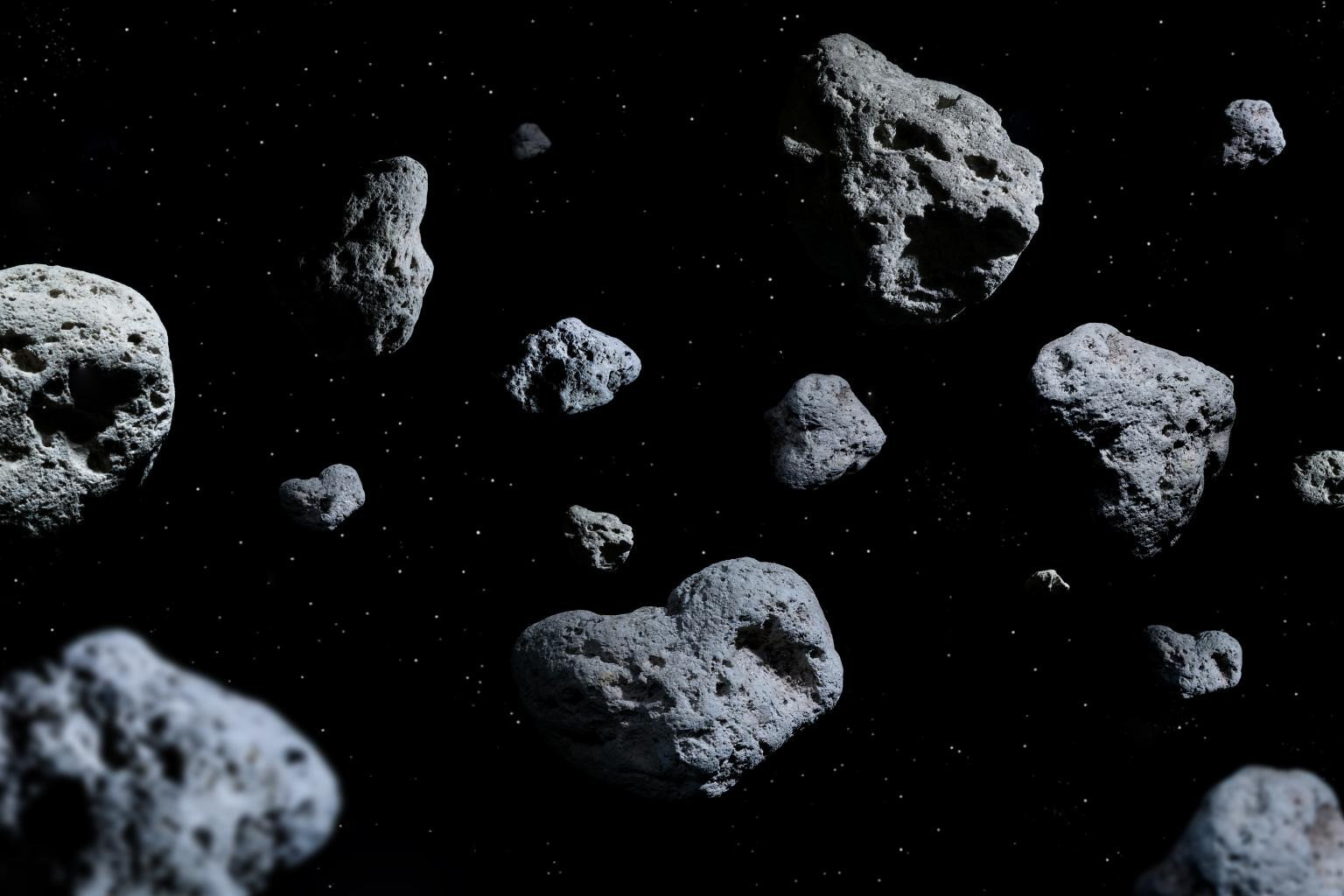
The focus of Fast’s talk was this 15,000-asteroid discrepancy. These objects are not hypothetical threats; they are statistically projected, based on sampling, orbital behavior, and observational constraints.
An impact from an asteroid of this magnitude could unleash energy comparable to hundreds of nuclear explosions. A 140-meter asteroid has the destructive power to obliterate a city or trigger massive tsunamis if it hits the ocean. The dire consequences bolster the need for enhanced detection efforts targeting these urban-level catastrophe asteroids.
The Solar Blind Spot Concealing Thousands of Threats
Detecting these asteroids is complicated by their orbital paths and composition. Many approach Earth from directions near the sun, making them invisible to telescopes that depend on sunlight reflection. Typically, these bodies only become visible after passing Earth, turning detection into a warning rather than a preventative measure. This issue, known as the solar glare blind spot, remains a persistent obstacle.
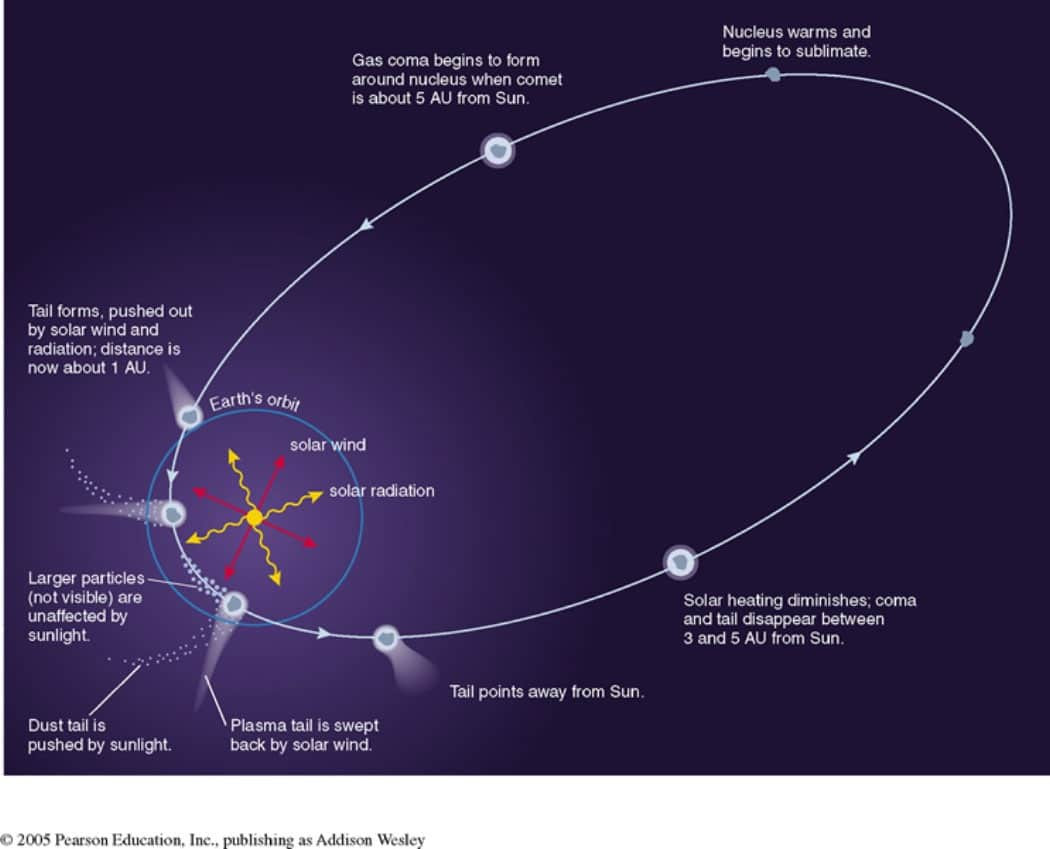
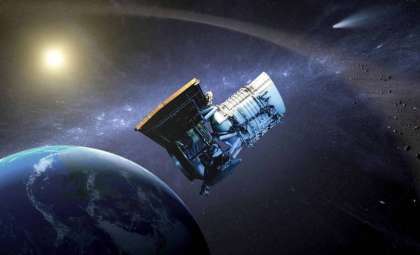
Infrared technology offers a promising workaround. Unlike visible light telescopes, infrared sensors detect thermal radiation, allowing them to spot dark asteroids missed by optical systems. Space-based infrared observatories are essential, yet their development faces financial and scheduling challenges. NASA’s NEO Surveyor telescope, designed for this purpose, is slated for launch in late 2027.
Why the Known Deflection Strategy Isn’t Ready for Use
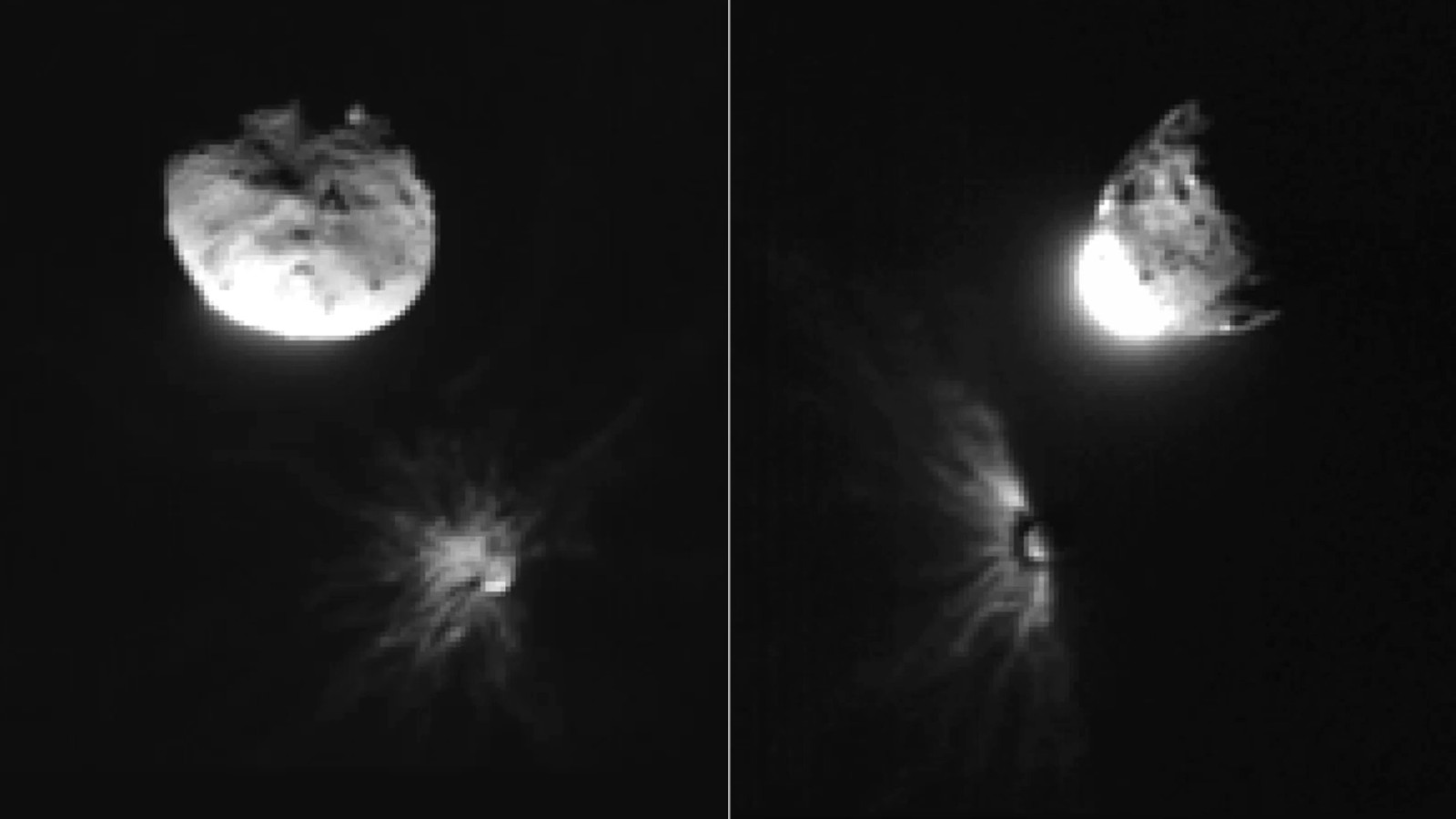
In September 2022, NASA’s DART mission successfully collided with Dimorphos, a 150-meter satellite of asteroid Didymos. This kinetic impact adjusted Dimorphos’s orbit, validating asteroid deflection as a technical possibility with sufficient lead time. The mission proved kinetic impact is a feasible method to counter identified threats.
However, operational preparedness remains an issue. Nancy Chabot, who coordinated DART at Johns Hopkins University’s Applied Physics Laboratory, informed reporters that no spacecraft like DART is currently primed for immediate deployment. According to the Daily Star, Chabot explained, "While DART demonstrated success, we don’t have a ready-to-launch deflection vehicle. Considering we have yet to locate half of the asteroids over 140 meters, this is a substantial concern. Currently, there is no capability to actively intercept an asteroid.”
Chabot further noted that insufficient funding limits agencies’ ability to maintain operational planetary defense spacecraft. Deflecting a threatening asteroid requires years of preparation—from mission planning to interception guidance—making early detection critical.
Infrared Telescope Aims to Spot the Invisible Asteroids
The NEO Surveyor mission represents an unprecedented effort to uncover the missing asteroids. This infrared observatory, positioned at the Sun-Earth Lagrange point 1, will monitor the region sun-facing telescopes cannot adequately scan. Its goal is to detect approximately 65 percent of the remaining hazardous asteroids within five years, rising to 90 percent over ten years.
Meanwhile, ground-based observatories also enhance tracking capabilities. The Vera C. Rubin Observatory in Chile, operational since 2025, performs expansive nightly sky surveys that complement infrared space detections. Together, these instruments strive to convert the unknown asteroid population into a well-documented catalog.
Technological advances have been paired with strategic policy development. NASA’s 2023 National Preparedness Strategy for Near Earth Objects outlines responsibilities in civil protection and evacuation. On a global scale, the United Nations Office for Outer Space Affairs coordinates impact warning procedures among international agencies in the U.S., Europe, and Asia. Successful implementation hinges on accurate asteroid detection.
Managing a Low but Significant Impact Risk
The chance of a 140-meter asteroid striking Earth is estimated at once every 20,000 years. Although not an immediate threat, this risk influences long-term infrastructure safeguarding and international crisis coordination efforts.
The upcoming 2027 International Asteroid Warning Network drill will simulate a coordinated response to a hypothetical impact threat. The exercise will test both tracking capabilities and communication channels to alert at-risk communities promptly, relying on early detection.
While Fast’s presentation did not predict any near-term impacts, it highlighted the critical shortfall in asteroid observations. The majority of asteroids capable of serious regional harm remain unidentified. The advanced detection technologies underway will play a vital role in closing this gap before the next hazardous object enters Earth’s atmosphere.
- Categories:
- News







0 comments
Sign in to Comment