
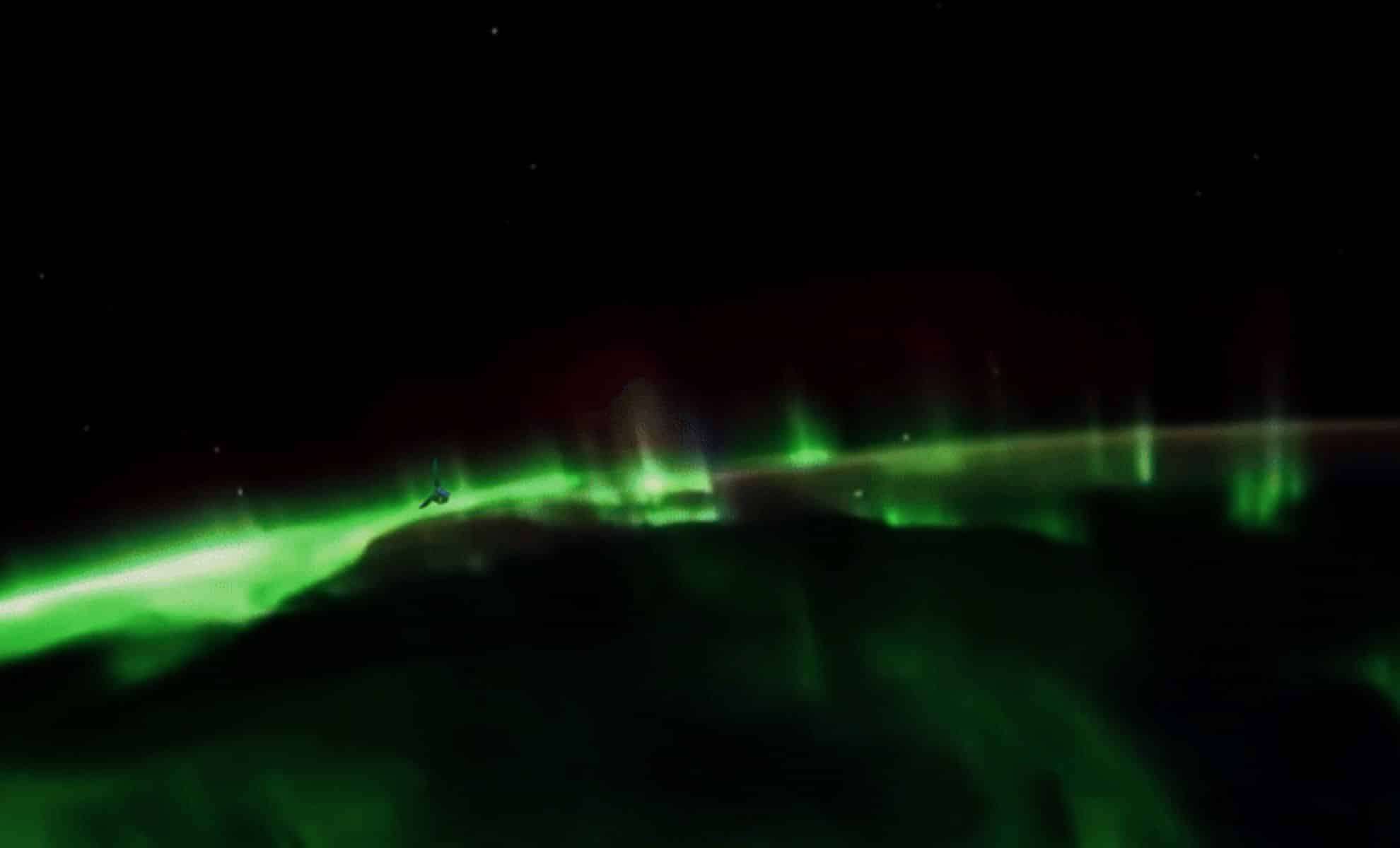
NASA has initiated its Electrojet Zeeman Imaging Explorer (EZIE) mission, embarking on a 16-month expedition to unravel the mysteries behind Earth's auroral electrojets. Announced on May 27, 2025, via NASA’s official Science Mission Directorate blog, this project is the pioneering effort dedicated solely to charting the magnetic frameworks of these intense upper atmospheric currents. Launched aboard a SpaceX Falcon 9 from Vandenberg Space Force Base, three aligned CubeSats now orbit our planet, set to provide groundbreaking data on the intricate interplay between solar storms and geomagnetic disturbances that both dazzle the polar skies and disrupt modern technology.
Understanding Auroral Electrojets and Their Critical Impact
Auroral electrojets are powerful electrical currents flowing through Earth’s ionosphere, ignited by geomagnetic storms stemming from solar eruptions. When energetic solar emissions collide with Earth’s magnetosphere, they trigger spectacular auroras and induce potent electromagnetic currents in high-altitude layers. These electrojets can severely affect vital systems ranging from satellite GPS to long-distance communications, and even cause failures in terrestrial power grids. Despite their significance, much about their inner dynamics, strength, and lifecycle is still unclear. EZIE’s mission is to bridge this knowledge gap by meticulously mapping the unique magnetic patterns these currents create using cutting-edge sensors that track minute magnetic variations with high precision over time and space.
The Unique Approach of EZIE in Capturing Magnetic Signatures
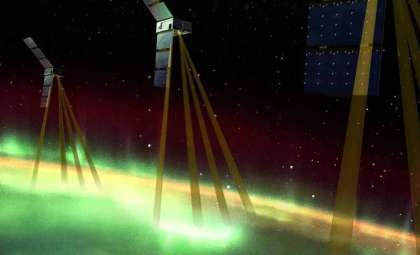
The mission includes a trio of small CubeSats, each roughly the size of carry-on luggage, arranged in a sequential "pearls-on-a-string" formation. As they circle Earth from pole to pole at an altitude near 370 miles (590 kilometers), these satellites maintain timed intervals of 2 to 10 minutes. This formation enables scientists to collect successive high-resolution readings from different moments within the same electrojet event, creating a dynamic three-dimensional representation. Fitted with the Microwave Electrojet Magnetogram, developed by NASA’s Jet Propulsion Laboratory, each CubeSat can detect extremely subtle changes in magnetic fields generated by electrojets, even amid intense space weather interference.

Scientific Objectives: Advancing Space Weather Understanding and Infrastructure Protection
Data collected by EZIE will help scientists answer pivotal questions about how and where geomagnetic energy dissipates in Earth's atmosphere. By decoding the initiation and progression of electrojets, researchers expect to shed light on the mechanisms behind space weather phenomena that jeopardize astronaut missions and ground-based technology. This includes pinpointing the causes of extraordinary auroral displays, tracking energy movements through atmospheric layers, and informing models that assess vulnerabilities of electrical grid systems to solar disturbances. Ultimately, the insights could lead to more robust infrastructure designs and improved forecasting tools for satellite operations and human spaceflight safety.
Insights Beyond Earth: Implications for Planetary Magnetic Systems
EZIE’s discoveries extend beyond our planet, offering valuable perspectives in planetary science across the solar system. Planets like Jupiter and Saturn also exhibit magnetic disturbances and auroras driven by solar interactions. Gaining a detailed understanding of Earth's electrojets provides a foundational reference for interpreting magnetic phenomena on these and other celestial bodies. This comparative science approach supports future exploration initiatives targeting gas giants or magnetized exoplanets, revealing their atmospheric behavior, internal makeup, and potential habitability. Thus, EZIE operates not only as an Earth weather sentinel but also as a tool for diagnosing magnetic environments throughout the cosmos.
Mission Team and Technological Collaborators
EZIE is enabled through a collaboration sponsored by NASA’s Heliophysics Division within the Science Mission Directorate, with operational guidance from the Explorers Program Office at Goddard Space Flight Center. The satellites were engineered and constructed by Blue Canyon Technologies in Boulder, Colorado, featuring key instrumentation contributions from NASA’s Jet Propulsion Laboratory. Leadership of the mission is provided by the Johns Hopkins Applied Physics Laboratory, specialists renowned for their expertise in miniature satellites and magnetospheric research. Together, these teams bring extensive scientific and engineering prowess to realize EZIE’s ambitious objectives over its 16-month operational lifespan.
- Categories:
- News






0 comments
Sign in to Comment