
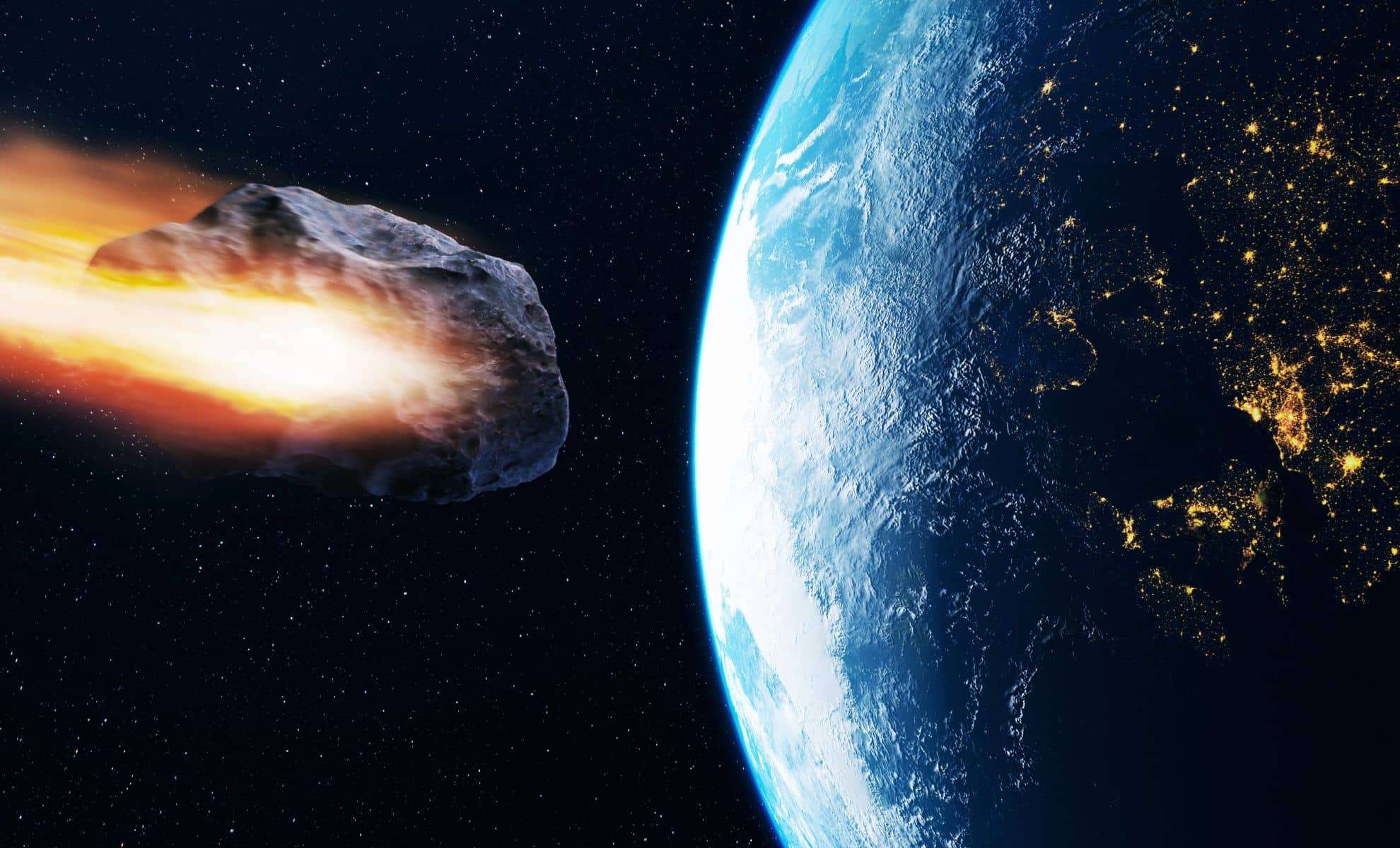
Researchers have run comprehensive simulations to forecast the aftermath if the roughly 500-meter-wide asteroid Bennu were to impact Earth in September 2182. Their analyses reveal severe consequences, including a global climate crisis, widespread food insecurity, and vast ecological damage. Although Bennu's odds of striking Earth stand at a slim 1 in 2,700 (0.04%), experts at Pusan National University in South Korea have applied advanced climate models to explore the full scope of impact effects.
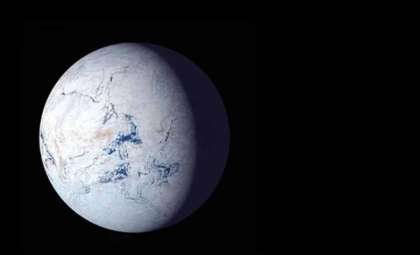
Published in Science Advances, the study indicates such an event would usher in a prolonged 'impact winter,' causing significant temperature drops, reduced rainfall, and substantial disruptions to food production systems. While humanity might endure, the resulting environmental transformation would profoundly affect life for many generations.
Global Devastation Triggered by a Bennu Collision
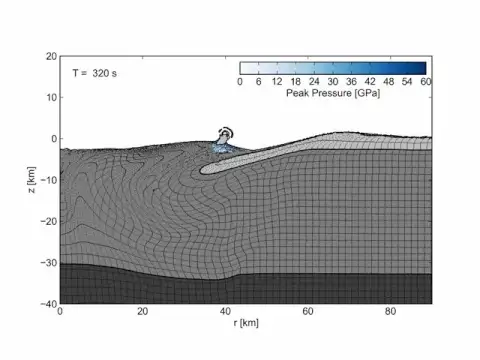
Although asteroid impacts often evoke images of fiery explosions and immense craters, scientists caution that the subsequent environmental fallout poses the greatest threat. Utilizing the Aleph supercomputer, the team simulated how atmospheric dust injected into the stratosphere would block sunlight, disrupt climate patterns, and unravel ecosystems worldwide.

The simulations predicted:
- Between 100 and 400 million metric tons of dust expelled into the stratosphere, significantly obstructing solar radiation and upsetting Earth's energy equilibrium.
- Surface temperatures declining by about 4°C (7.2°F), inducing a severe and extended cooling period.
- A 15% reduction in global precipitation, exacerbating drought conditions by drying freshwater reserves.
- A 32% depletion of the ozone layer, raising risks associated with ultraviolet radiation exposure.
- A 20-30% decrease in photosynthetic activity across terrestrial and marine ecosystems, undermining food chains and biodiversity.
Lead authors Lan Dai and Axel Timmerman emphasized, “Our models, injecting up to 400 million tons of dust into the upper atmosphere, highlight considerable disruptions to climate systems, atmospheric chemistry, and global photosynthesis.”
This suggests that even if the impact zone avoids direct obliteration of urban areas, the ensuing planetary environmental shifts would cause widespread famine, ecosystem degradation, and severe societal stresses.
Potential for Life to Endure Post-Impact
While less catastrophic than the Chicxulub asteroid responsible for the dinosaur extinction 66 million years ago—measuring 10 to 15 kilometers across versus Bennu’s half-kilometer size—this study reveals that even medium-sized impactors can induce profound ecological upheaval.
Interestingly, the findings suggest terrestrial flora and fauna would face sharp declines, yet marine ecosystems might rebound more swiftly. Particularly, algae populations such as marine diatoms could flourish as iron-rich asteroid dust acts as a nutrient source, potentially sustaining oceanic food webs and offering critical support for human sustenance following the impact.
Dai noted, “The sudden onset of impact winter conditions would impose harsh constraints on plant growth, causing an immediate 20 to 30 percent drop in photosynthesis both on land and in oceans, likely destabilizing global food supplies.”
Although famine and societal breakdown risks are significant, the sea's biological productivity might provide a vital buffer against complete ecological collapse.
Preventative Measures to Avert a Bennu Collision
Despite the low impact probability, the scientific community underscores the critical need for advanced asteroid detection and deflection capabilities. NASA’s 2022 DART (Double Asteroid Redirection Test) mission successfully changed a small asteroid’s path, demonstrating that humanity could potentially alter the course of hazardous space objects.
If adequate warning is received, several remediation options exist:
- Kinetic Impactor Systems — Dispatching spacecraft to collide with the asteroid, shifting its trajectory as in the DART experiment.
- Gravity Tractor Methods — Stationing a spacecraft near Bennu to utilize gravitational attraction to gradually adjust its orbit over time.
- Nuclear Solutions — Employing controlled nuclear detonations as a last-resort technique to deflect or fragment the asteroid, though accompanied by inherent risks.
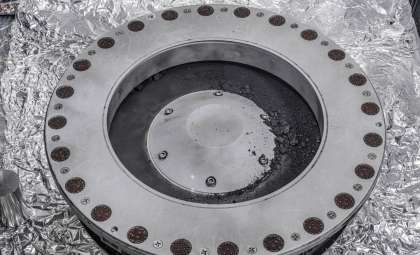
Bennu remains one of the best-monitored near-Earth objects, largely due to NASA’s OSIRIS-REx mission, which collected material from Bennu in 2023, enriching scientists’ understanding of its composition and providing data essential for any potential future deflection effort.
Co-author Axel Timmerman pointed out, “Medium-sized asteroid impacts occur roughly every 100,000 to 200,000 years. Our early ancestors likely encountered similar planetary-scale events, influencing human evolution and possibly even our genetics.”
Assessing the Chance of an Impact Within Our Lifetime
With Bennu's estimated 0.04% chance of collision in 2182, Earth faces a rare yet inevitable asteroid threat through geological timescales. Objects comparable to Bennu impact our world every 100,000 to 200,000 years, signaling that similar challenges will emerge in the future.
The encouraging factor is humanity’s unprecedented ability to identify, track, and potentially redirect threatening asteroids. Continued support for asteroid surveillance and planetary defense initiatives enhances our prospects of averting future catastrophes.
Should an asteroid like Bennu breach our defenses, scientific models suggest Earth would endure, though transformed. Ecosystems would adapt, human societies would confront hardship, yet life would persist.
As Timmerman humorously summarized, “Frankly, we’re as resilient as cockroaches.”
- Categories:
- News






0 comments
Sign in to Comment