
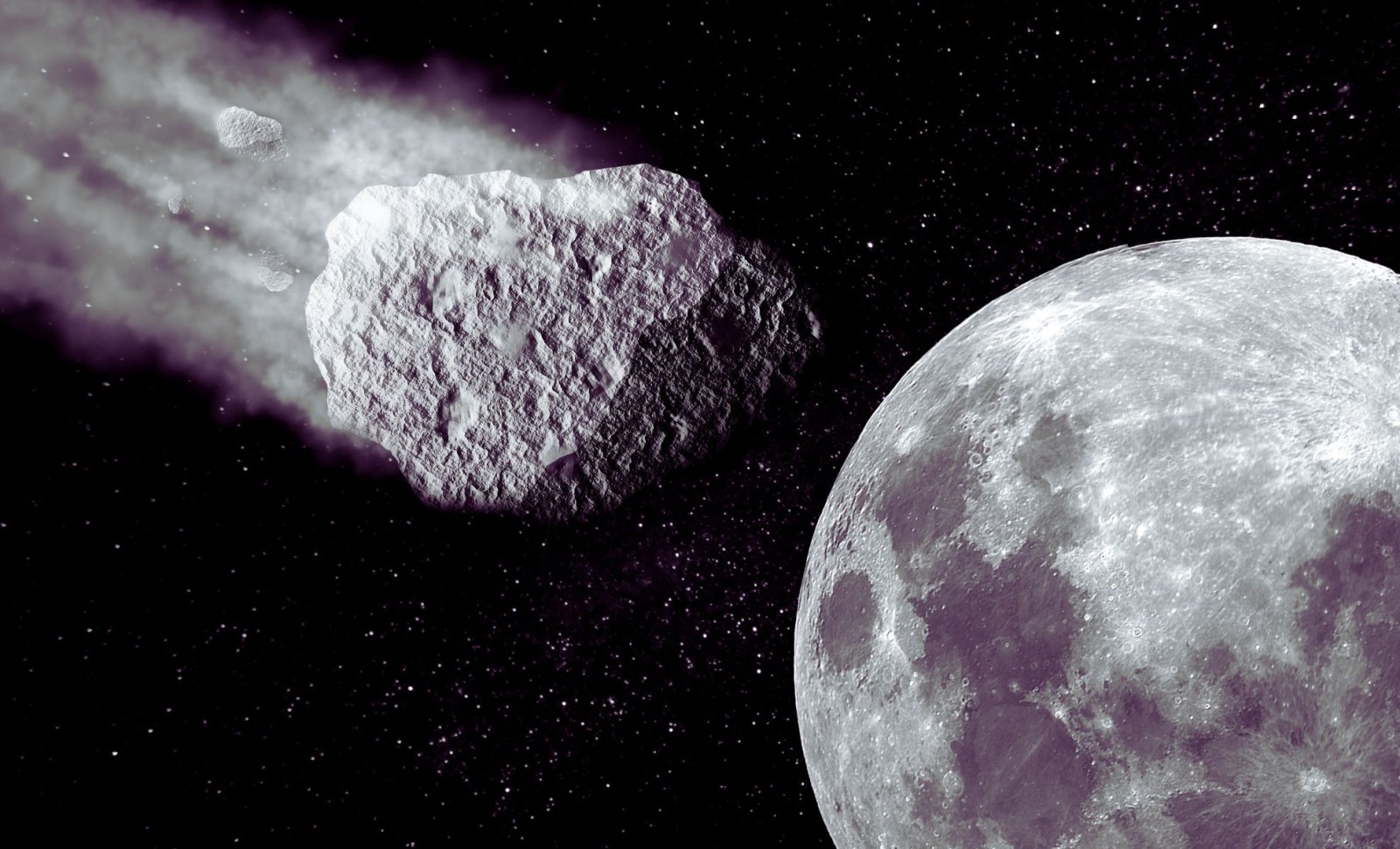
Detected by the ATLAS observatory, asteroid 2024 YR4 has caught the attention of astronomers due to its distinctive orbit and close approach. Although scientists have ruled out any danger to Earth, the chance of it impacting the Moon remains a possibility.
Despite its modest size, asteroid 2024 YR4 provides scientists with crucial information about the dynamics of near-Earth objects and the effects of potential collisions. A lunar impact would offer a rare scientific opportunity to observe such an event firsthand, something not documented in recent history.
Tracking the Asteroid’s Course
2024 YR4 was initially spotted in December 2024 by the ATLAS telescope stationed in Chile, part of an international network dedicated to observing asteroids and other potentially hazardous near-Earth objects (NEOs). According to NASA’s Center for Near-Earth Object Studies (CNEOS), early assessments indicated a low probability of an Earth impact, attracting notable attention.

Subsequent observations and refinements to its orbit led to the removal of any immediate threat to Earth by April 2025. Still, the possibility of a moon impact has kept researchers closely observing the asteroid.
The predicted date for a possible collision is December 22, 2032. Although the odds of impact remain slim, NASA and collaborating space agencies are utilizing this scenario to evaluate planetary defense strategies. Measuring approximately 15 to 30 meters in diameter, 2024 YR4 could cause a significant impact on the lunar surface.
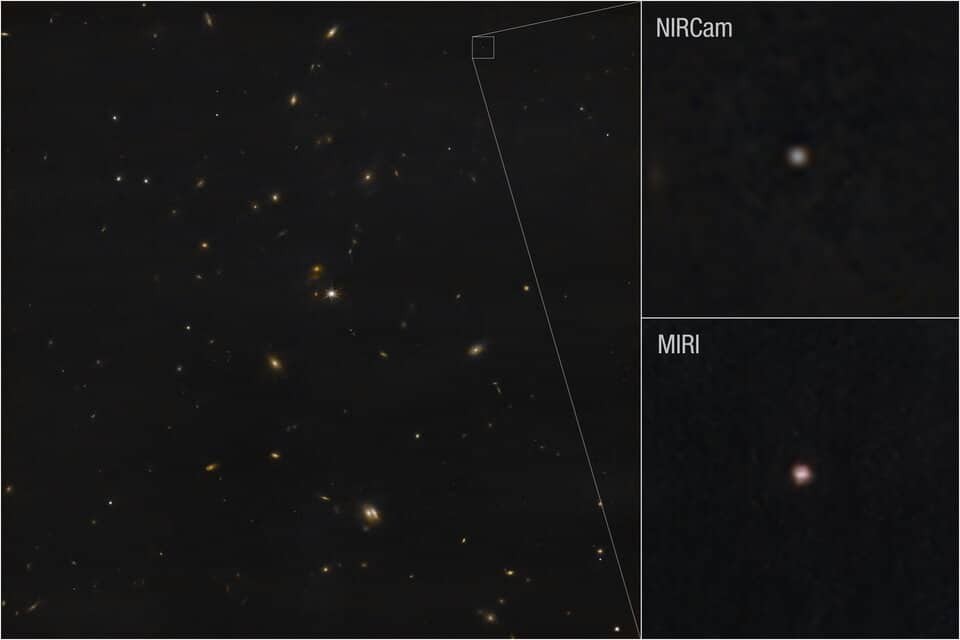
An Uncommon Opportunity in Lunar Science
Richard Moissl, an expert in small Solar System bodies, emphasizes that an impact of this kind on the Moon would be exceptionally uncommon.
“The impact would likely be visible from Earth, and so scientists will be very excited by the prospect of observing and analysing it. I am sure that detailed computational simulations will be done over the next few years.”
This event could yield fresh insights into how space debris influences the lunar surface and allow close-up studies due to the Moon’s observational accessibility. Should the asteroid strike, it could create a crater spanning several hundred meters.
“However, we wouldn’t be able to accurately predict in advance how much material would be thrown into space, or whether any would reach Earth.”
The collision might also send a plume of lunar dust clouding into space, offering clues about the Moon’s geological layers.
Implications for Planetary Defense
The journey and possible lunar strike of 2024 YR4 highlight the vital role of asteroid tracking initiatives such as NASA’s Planetary Defense Coordination Office (PDCO). This office monitors objects that could threaten Earth or nearby celestial bodies.
With planned crewed missions to the Moon under the Artemis program, understanding how impacts affect the lunar environment is becoming increasingly important. Data from this potential collision can help improve strategies for coping with such events, especially as lunar exploration and activity expand.
Observation efforts for 2024 YR4 will persist over the coming years, including continuous updates to its expected orbital path. NASA’s Jet Propulsion Laboratory emphasizes ongoing surveillance to detect any changes in trajectory early. Although the likelihood of a Moon impact remains low, this case reinforces the necessity of careful monitoring and preparation regarding near-Earth and lunar objects.
- Categories:
- Space










0 comments
Sign in to Comment