
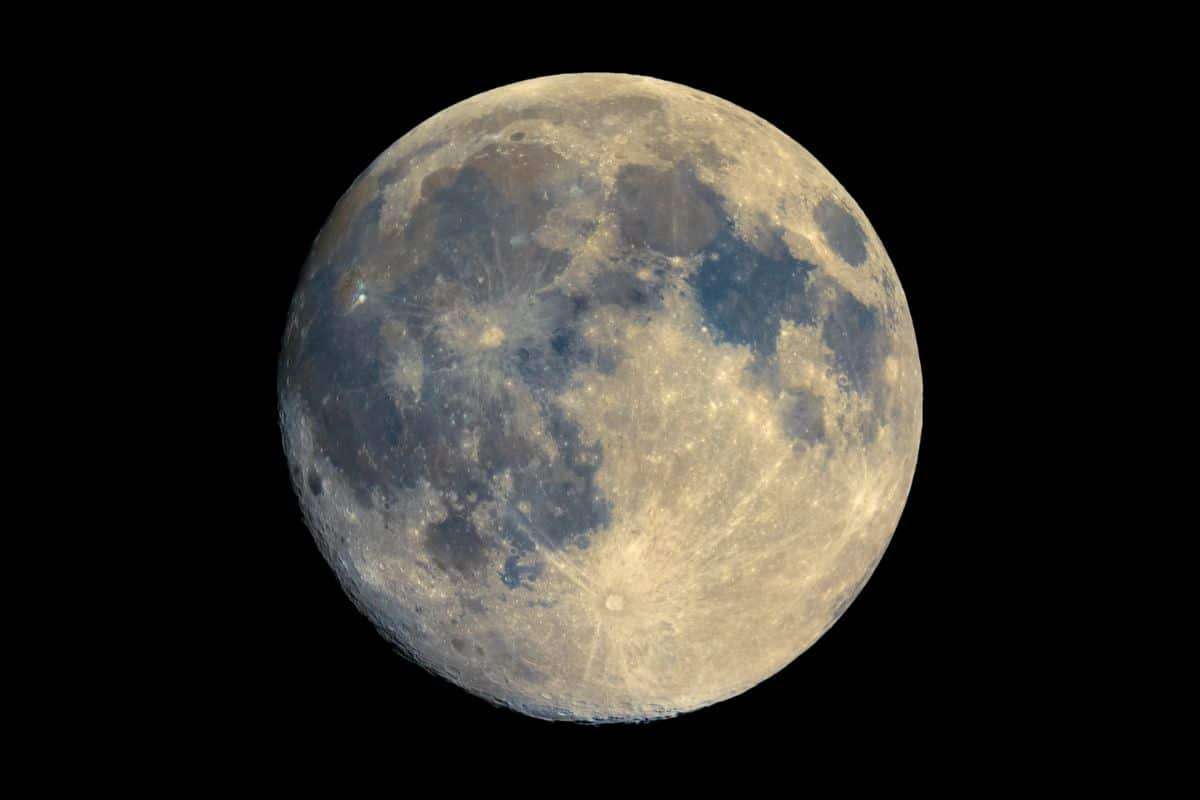
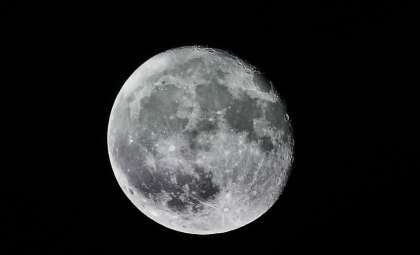
Emerging research reveals that establishing a human presence on the Moon might be more achievable than once believed. Data from ISRO's Chandrayaan-3 mission has uncovered indications of water ice just beneath the lunar surface in the polar areas.
Fresh Insights into Ice Deposits at the Moon's Poles
For many years, scientists have speculated about the existence of frozen water near the Moon’s poles, though its distribution remained elusive. Prior investigations, including those conducted during NASA’s Apollo expeditions, primarily examined lunar equatorial zones, which are far from the poles. These early analyses used thermal data that suggested surface conditions were too warm to sustain solid water.
More recent findings from the ChaSTE instrument aboard ISRO’s Vikram lander, which touched down at the Moon’s south pole in 2023, have refined our understanding. The ChaSTE sensor tracked temperatures across both flat plains and slanted terrains.
Unexpectedly, slopes oriented away from sunlight registered considerably cooler temperatures than anticipated, creating favorable conditions for near-surface water ice accumulation.

The Impact of Lunar Water Ice on Space Exploration
Water is essential for supporting life, and its presence on the Moon could revolutionize lunar missions. Beyond drinking needs, water can be split to generate breathable oxygen and hydrogen fuel, laying the groundwork for self-sufficient expeditions and less dependence on shipments from Earth.
The recent publication identifies certain South Pole locations with abundant ice, where temperatures remain low enough to preserve it. These zones are likely to become focal points for upcoming missions.
NASA’s Artemis initiative already aims to land near these icy realms, where water ice availability could support prolonged lunar stays, enhancing mission durability on the Moon.
Significance of This Discovery for Artemis Missions
NASA’s Artemis project is set to send astronauts back to the lunar surface and establish a steady human foothold by the 2030s. Detecting water ice near the south pole could greatly enhance these objectives. Access to ice would supply water, oxygen, and rocket propellant, lowering logistical burdens and expenses tied to Earth-dependent resources.
Artemis mission plans specifically target regions surrounding the lunar south pole, where this valuable ice is likely plentiful. The frozen resource could prove critical in enabling long-term habitation, a key aim of the program.
By harnessing local resources, astronauts would be empowered to sustain themselves directly on the Moon, making lunar colonization more practical and long-lasting.
- Categories:
- Space






0 comments
Sign in to Comment