
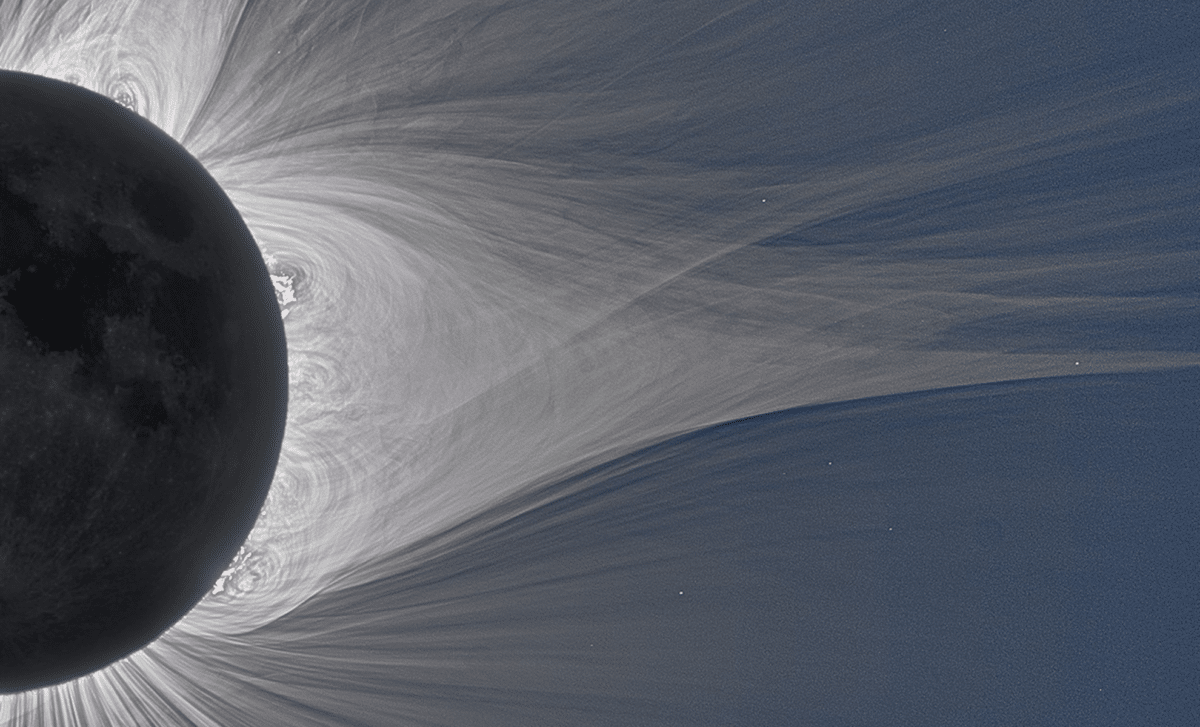
A remarkably intense and sustained solar radio burst has captured scientific interest after lasting an extraordinary 19 days, far surpassing previous records for such phenomena. First observed in August 2025, the event initially seemed typical but then persisted well beyond expectations. Utilizing a fleet of spacecraft dispersed throughout the inner solar system, NASA and international collaborators pinpointed the emission’s origin to a massive magnetic feature in the Sun’s atmosphere, offering fresh insights into how hazardous solar activity forms and travels through space.
Unusual Signal Duration Points to Stable Magnetic Conditions
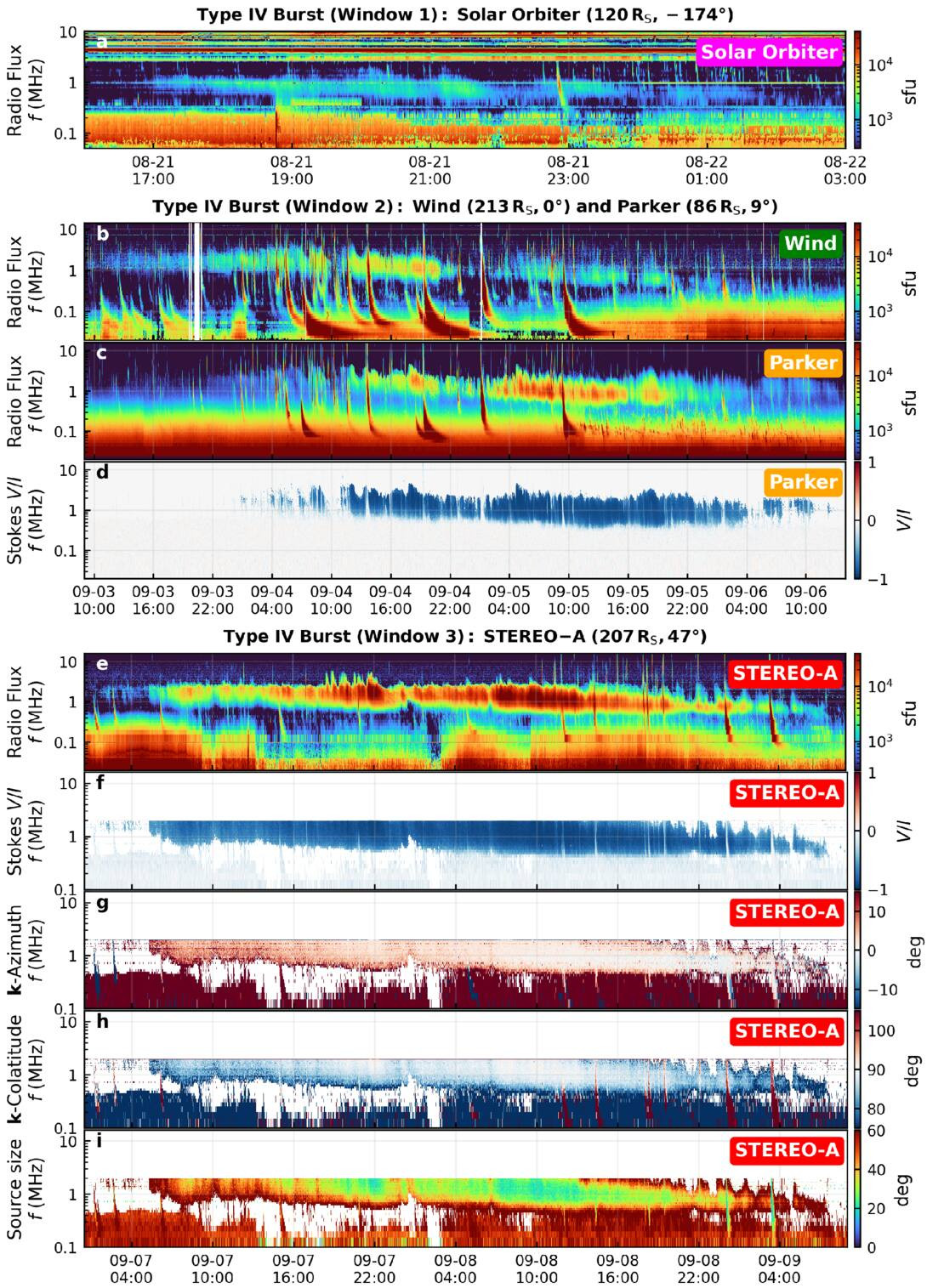
Type IV solar radio bursts commonly occur when energetic electrons become confined within magnetic fields in the Sun’s outer atmosphere, generating radio emissions as they move. Typically, these bursts subside within hours or a few days. However, this event defied norms by lasting 19 days in August 2025—significantly outliving the prior record of five days and marking a groundbreaking observation in solar physics.
The longevity of the burst suggested an unusually consistent magnetic environment persisting on the Sun, despite the Sun’s magnetic fields usually shifting rapidly through processes like reconnection or collapse. This raised important questions about the mechanisms allowing electrons to stay trapped and maintain radio emissions for such an extended period.

While the radio waves themselves pose no direct hazard to Earth, the magnetic structures that produce Type IV bursts are often linked to powerful solar eruptions that propel charged particles into the solar system. These particles can impact satellites, disrupt communication systems, impair spacecraft electronics, and increase radiation exposure risks for astronauts. Gaining a deeper grasp of these magnetic formations is crucial for advancing space weather prediction capabilities.
Collaborative Spacecraft Network Traces Burst Throughout Solar Neighborhood
One of the standout aspects of this discovery was the vast, coordinated observational campaign. NASA explained that no single spacecraft had the ability to track the burst throughout its entire duration due to the Sun’s rotation moving the emission source out of each craft’s sightline. Scientists overcame this by pooling data from several spacecraft strategically placed across the inner solar system.
Key contributions came from NASA’s Parker Solar Probe, STEREO, and Wind missions, along with the joint ESA/NASA Solar Orbiter. As the Sun rotated, the radio burst moved through the fields of view of these different spacecraft in succession, facilitating almost uninterrupted coverage over the 19 days. This approach provided one of the most comprehensive records ever achieved for a Type IV solar radio burst.
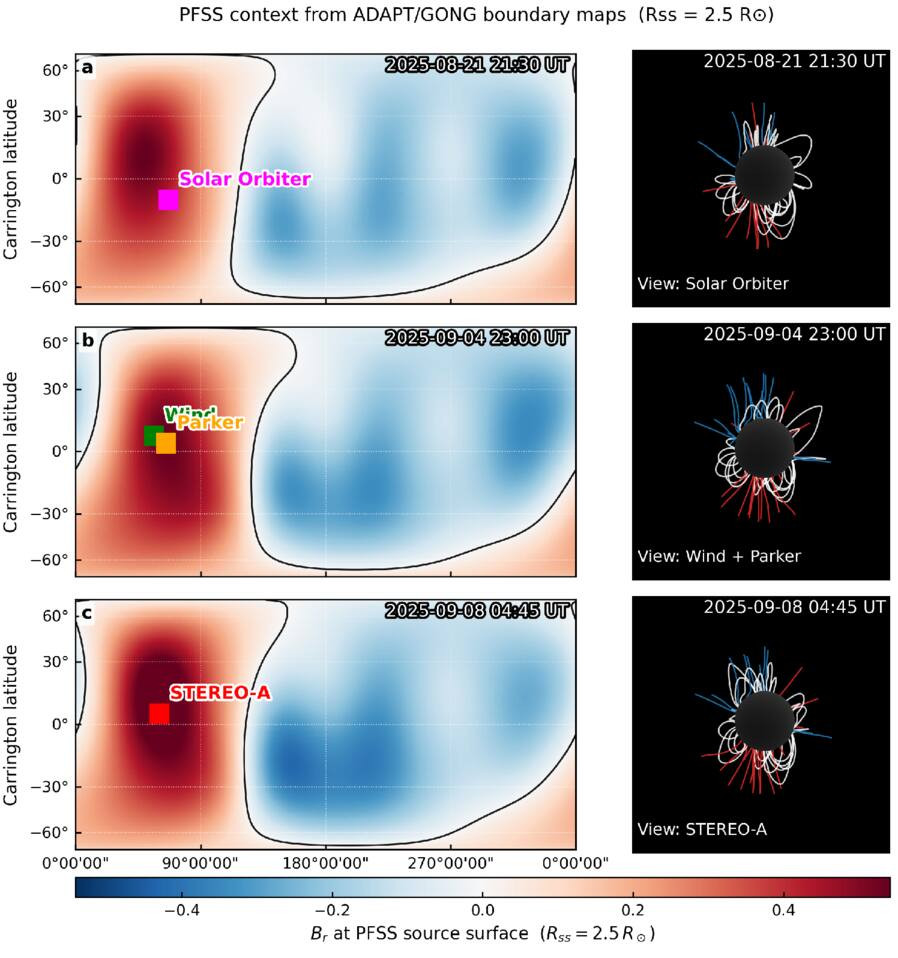
The team introduced a novel method utilizing data from STEREO to more precisely locate the burst origin. Their analysis identified a colossal magnetic structure called a helmet streamer, an immense feature reaching outward from the solar corona. Helmet streamers are well-known as regions where magnetic energy and solar material gather before release. The streamer's vast and relatively steady magnetic configuration likely explains how energetic electrons remained confined long enough to sustain this extraordinary radio signal.
A Series of Coronal Mass Ejections Likely Sustained the Radio Burst
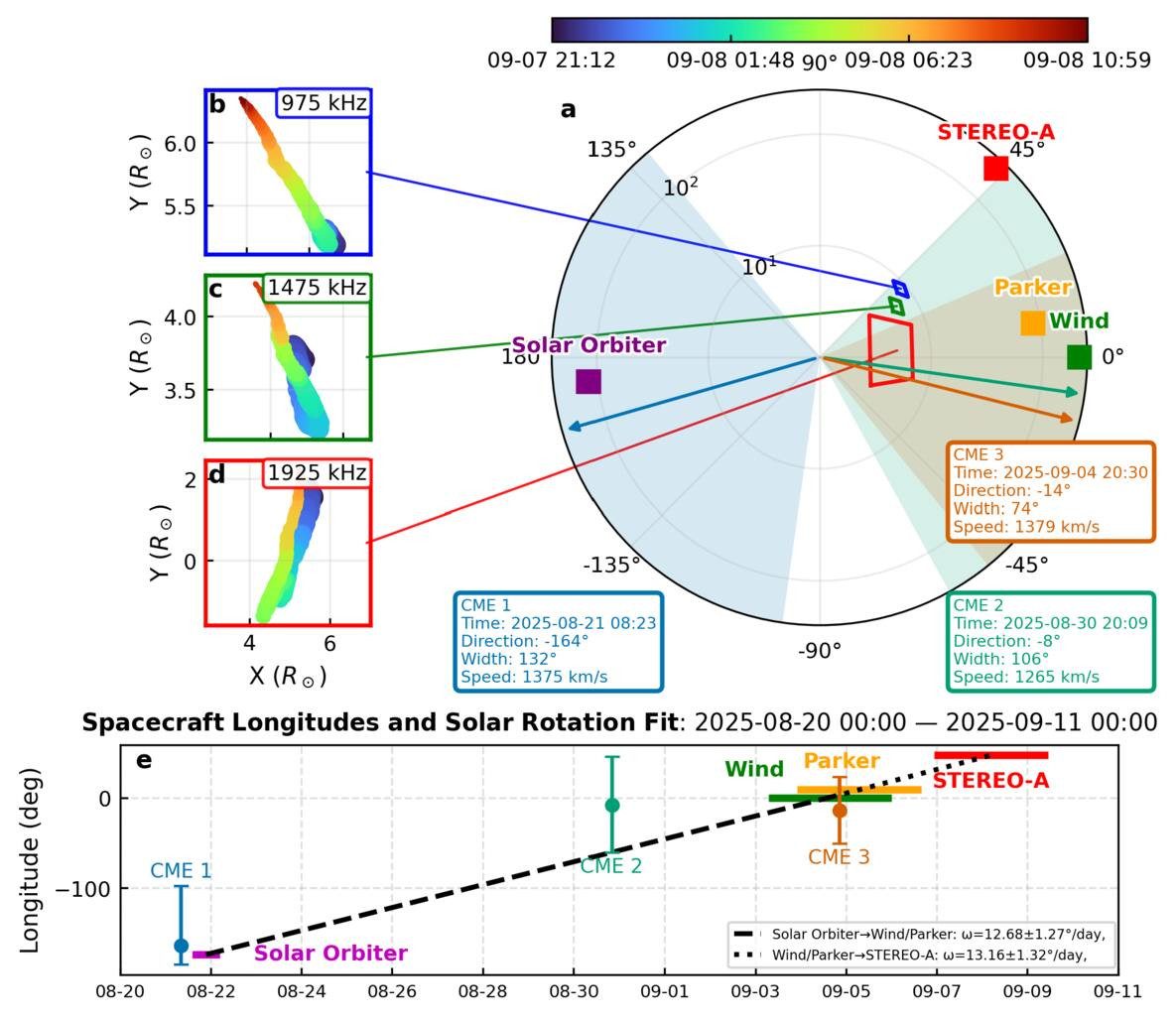
Scientists propose the extended burst was driven by three major coronal mass ejections (CMEs) erupting successively from the same active solar region. CMEs are massive expulsions of plasma and magnetic fields that race into space at extreme velocities. When multiple CMEs originate closely together in time and location, they can interact, reinforcing and restructuring the surrounding magnetic environment.
This sequence of eruptions likely replenished the trapped energetic electrons within the helmet streamer, continually energizing the radio emissions. Rather than dissipating naturally, the burst was probably revitalized each time a new CME passed, helping to maintain the emission for nearly three weeks.
This discovery sheds light on how large-scale solar magnetic fields evolve and persist. Additionally, it hints that lengthy radio bursts may signal periods of ongoing magnetic instability, potentially producing multiple solar eruptions. Such phenomena can significantly affect space weather conditions across the solar system, especially as the Sun approaches the peak of its activity cycle.
Implications for Enhanced Space Weather Prediction
Published in the Astrophysical Journal Letters, the study is already aiding improvements in detecting solar hazards before they impact Earth and human technology. Long-duration Type IV bursts may serve as early indicators of magnetic configurations prone to repeated eruptions and continuous particle acceleration. Identifying these signals with greater lead time could advance forecasting tools vital for satellite operations, space missions, and radiation safety.
The event also highlights the value of multi-spacecraft observations from distant vantage points. Missions like the Parker Solar Probe and Solar Orbiter are revolutionizing our capacity to monitor the Sun from several angles simultaneously. This shift away from single-point observations enables unprecedented three-dimensional views of solar phenomena.
As we move deeper into the current solar cycle’s heightened activity phase, scientists anticipate encountering more unusual solar behavior. Yet few expected a radio burst with a continuous duration nearing three weeks. This observation challenges previous assumptions about Type IV burst lifespans and reveals how intricate solar magnetic structures can maintain energetic processes far longer than models had predicted.
- Categories:
- Science








0 comments
Sign in to Comment