
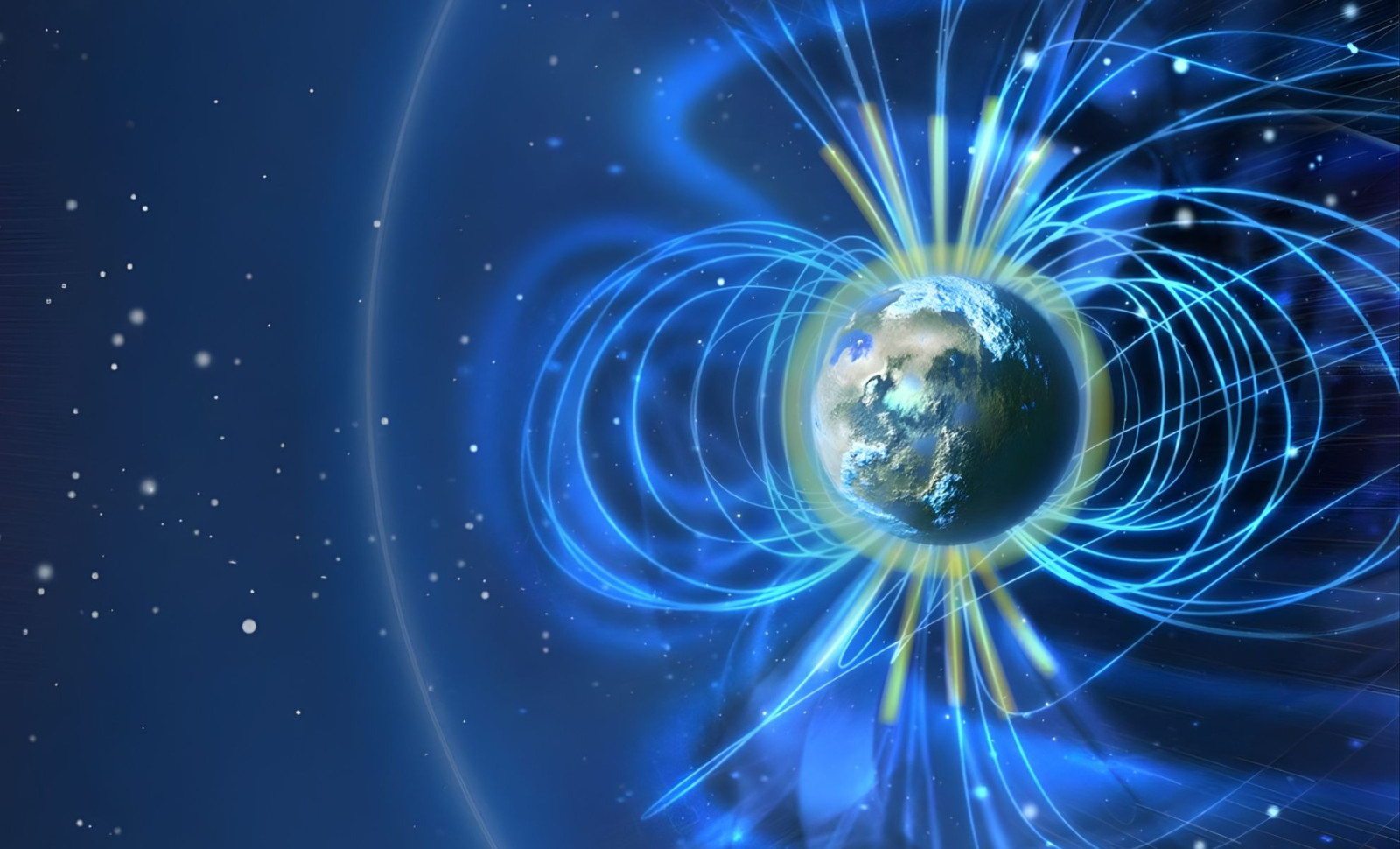
Recent analysis of a North Atlantic sediment core has uncovered that an ancient reversal of Earth’s magnetic field during the Eocene epoch persisted much longer than previously believed. Throughout Earth's history, the magnetic field has flipped direction hundreds of times, with around 540 reversals documented over the last 170 million years.
The length of these magnetic reversals is critical to understanding their environmental impact because a weakened geomagnetic field allows increased cosmic and solar radiation to penetrate the atmosphere. Pinpointing how long these flips last helps scientists interpret historical climate data and predict future magnetic behavior.
Extended Reversals Detected Near Newfoundland
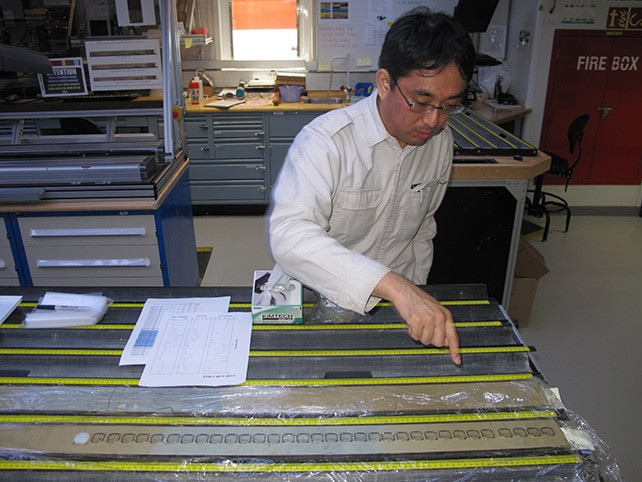
Scientists obtained an 8-meter sediment core from the ocean floor off Newfoundland’s coast in the North Atlantic. Tiny magnetic minerals within the sediment preserve a record of how Earth’s magnetic field shifted over millions of years as the layers accumulated.

Published in Communications Earth & Environment, the study reports the discovery of two polarity reversals dating back approximately 40 million years. One transition spanned roughly 18,000 years, but notably, another reversal endured for an estimated 70,000 years — a duration far exceeding the typical 10,000 years widely assumed.
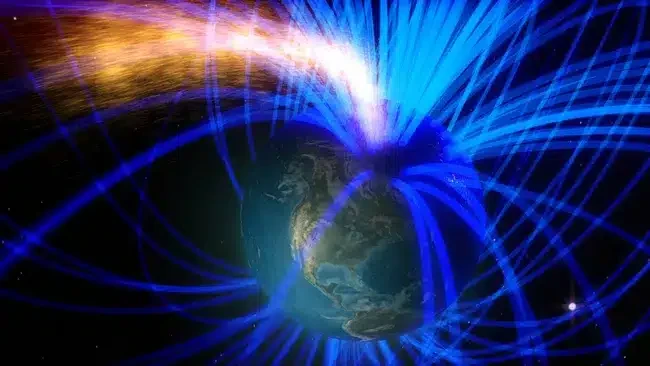
This polarity change was not restricted to a thin sediment layer; instead, it is represented across an extensive section of the core, suggesting a complex and drawn-out transitional phase rather than an abrupt flip.
A Magnetic Field Flip Marked by Instability
The magnetic record from the core revealed more than a simple reversal. The field exhibited hesitation, featuring multiple "rebounds" where polarity briefly reverted before switching again. Lead researcher Yuhji Yamamoto from Kochi University remarked:
“This finding unveiled an extraordinarily prolonged reversal process, challenging conventional understanding and leaving us genuinely astonished.”
Computer simulations by the team indicate that under specific circumstances, magnetic reversals could last as long as 130,000 years, although this extent has yet to be identified in geological data.
Reflections of the Brunhes-Matuyama Reversal
The Eocene case is not unique; similar rebound signatures have been detected during the Brunhes-Matuyama reversal approximately 775,000 years ago.
A 2019 study reported that this more recent reversal lasted about 22,000 years. The recurrence of these reversal rebounds implies that geomagnetic flips may inherently involve complex transitional events rather than smooth polarity shifts. Paleomagnetist Peter Lippert of the University of Utah commented:
“It’s basically saying we are exposing higher latitudes in particular, but also the entire planet, to greater rates and greater durations of this cosmic radiation.”
He further noted that this elevated exposure could contribute to increased genetic mutations and may even drive processes like atmospheric erosion.
- Categories:
- Science










0 comments
Sign in to Comment