
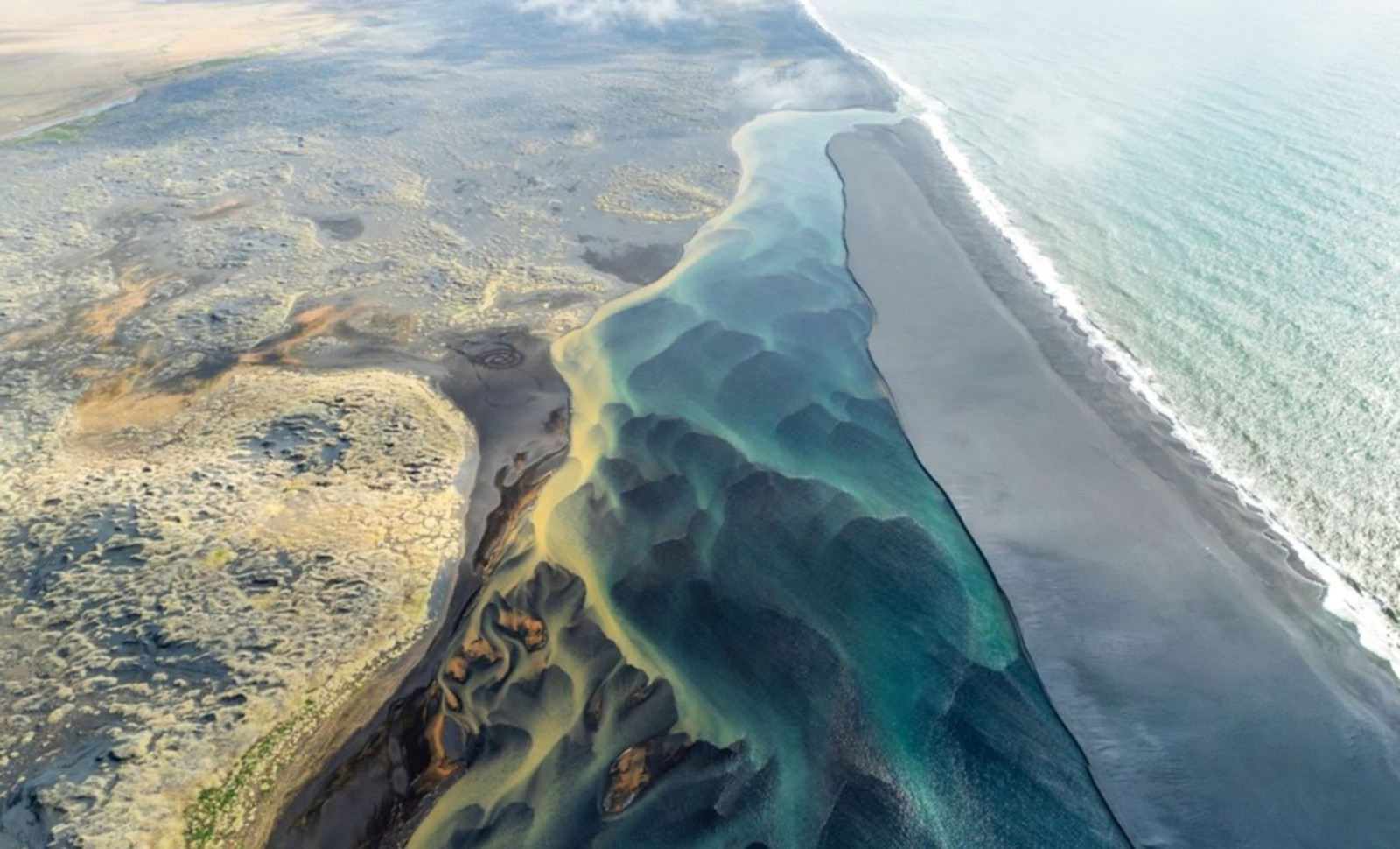
A remarkable natural event unfolded as the Gulf of Mexico’s waters near Florida shifted from their usual deep blue to a pale turquoise during a bout of severe winter storms. NASA's satellite imagery unveiled this vivid change, showing how chilly winds and cold air churned up calcium carbonate sediment, forming swirling water patterns off Florida’s western shelf.
Although warm climate dominates the region, winter storms can produce notable environmental impacts. Recent Terra satellite photos from NASA illustrated a striking alteration in the Gulf’s ocean colors adjacent to Florida.
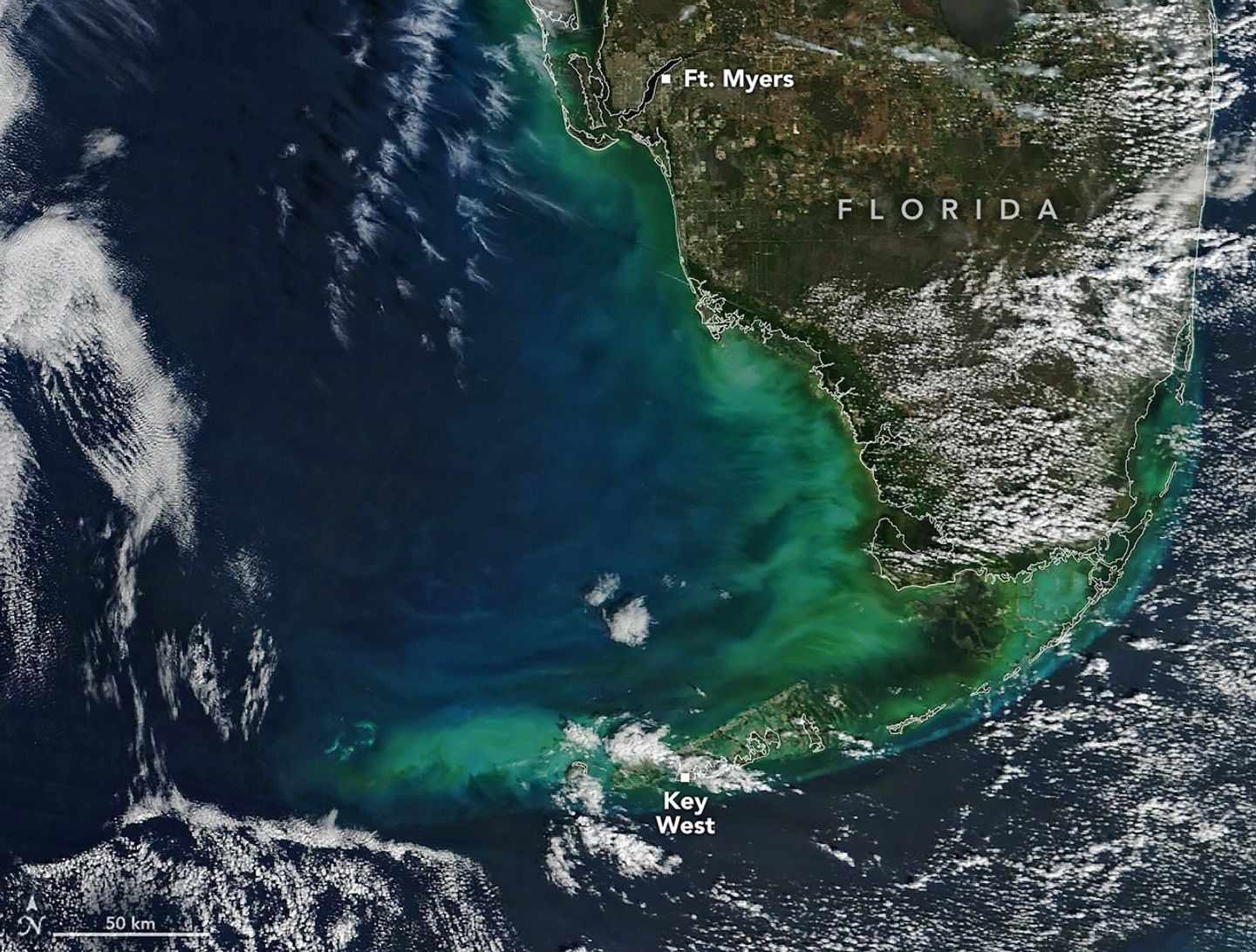
Typically, the Gulf waters exhibit rich blue tones, yet by late January and early February, following two major storms—Fern and Gianna—the sea transformed into a brilliant spectrum of blues and greens. These storms brought a rare drop in temperature to the area.

Winter Storms Trigger Water Color Changes
The shift in ocean hues resulted from intensified winds and colder temperatures pushing denser water offshore. NASA explains that the cooling nearshore waters contracted, mobilizing sediment—especially calcium carbonate particles—lifted from the seafloor.
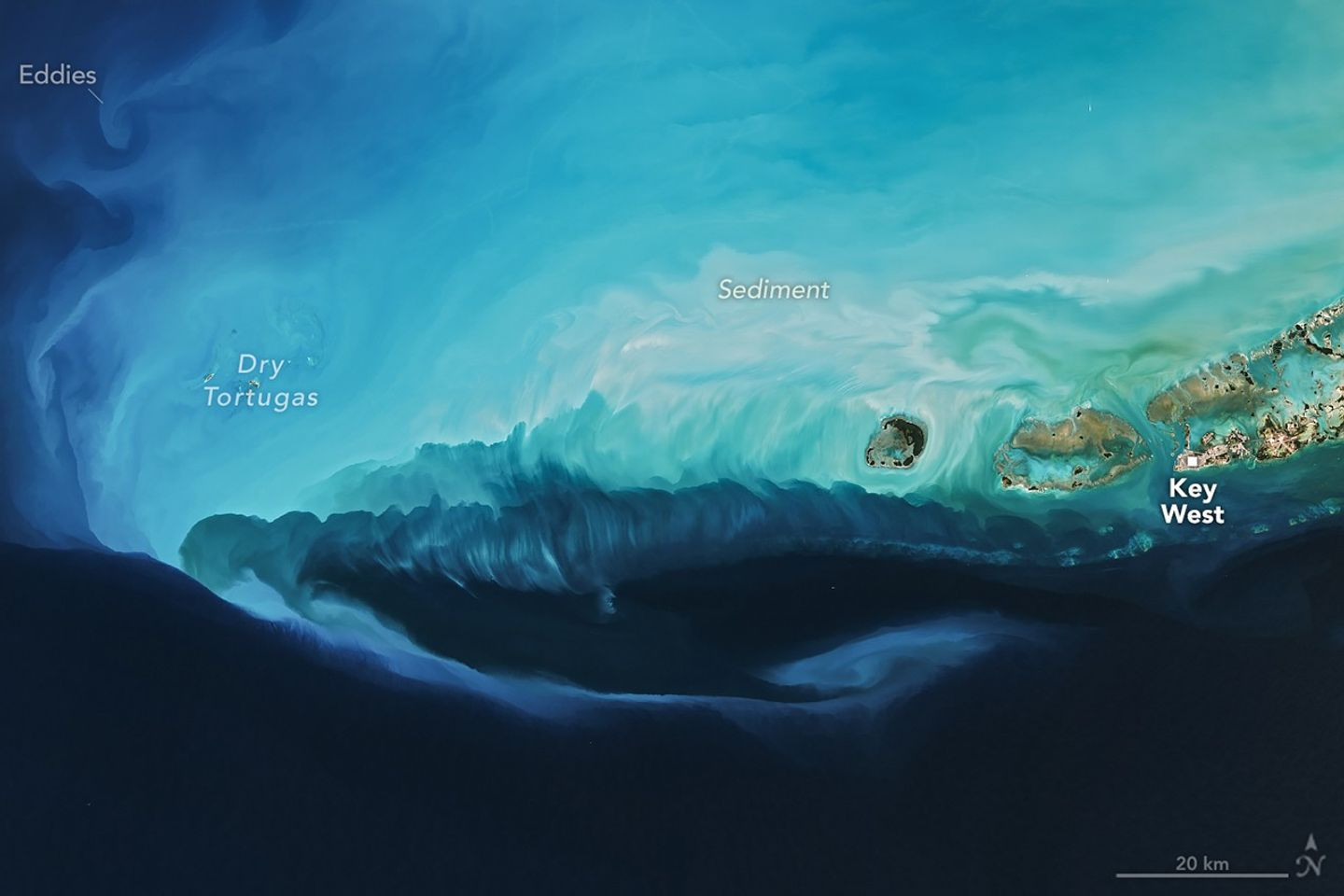
In early February, the MODIS instrument on NASA’s Terra satellite recorded before-and-after imagery depicting the Gulf’s water change to soft blue shades, caused by dispersed sediment particles. Typically seen during hurricane events, this cold front produced a comparable effect, highlighting complex ocean behavior.
“Another interesting aspect of these events is that the cold air cools off the shallow water on the banks and makes it denser than the surrounding warmer open ocean water,” explained James Acker, a data support scientist at the NASA Goddard Earth Sciences Data and Information Services Center.
Discovery of Unusual “Hammerhead” Eddies in Gulf Waters
A captivating feature during this episode was the emergence of “hammerhead” eddies, whirlpools that often occur near the continental slope. NASA researchers identified that these eddies form when cold, dense water moves into the Gulf, dragging sediment into slower, calmer waters.
“These can form when narrow streams of denser chilled seawater carry sediment offshore, encounter slower-moving Gulf waters, and curl into pairs of counterrotating eddies,” said Acker.
These processes were documented with imagery from NASA’s Landsat 9 satellite, offering scientists valuable insights into oceanic responses to extreme weather events.
- Categories:
- Science


0 comments
Sign in to Comment