
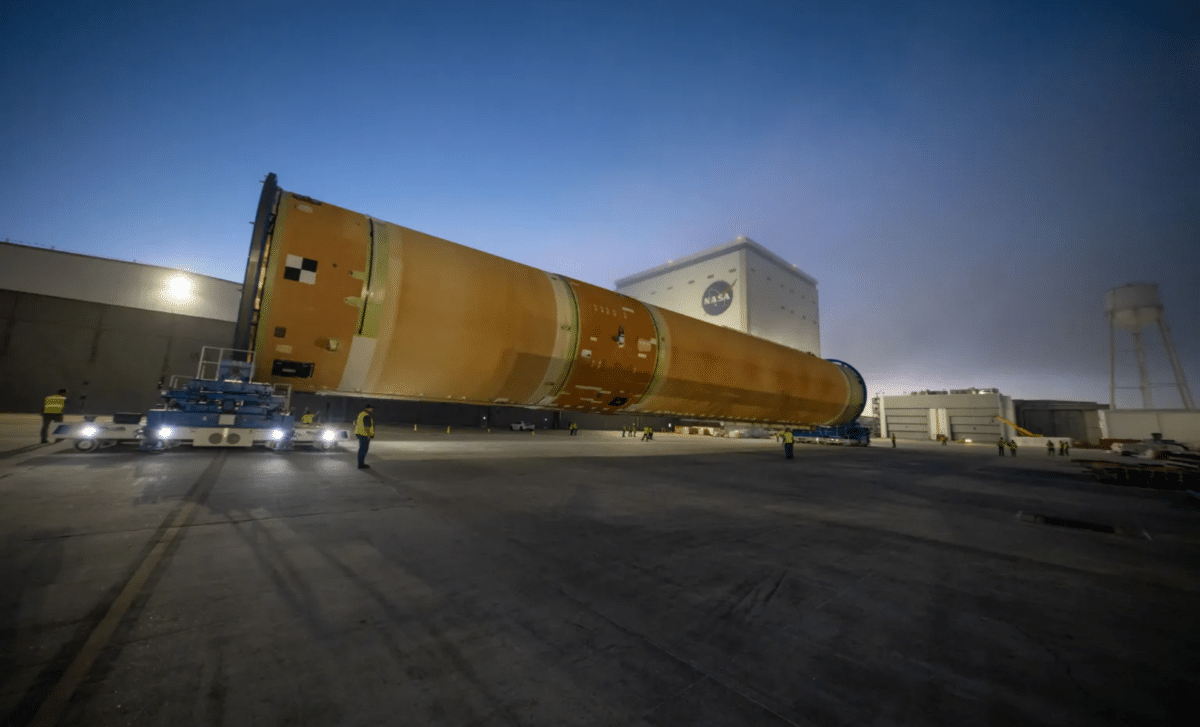
NASA has revealed a significant advancement in its Artemis initiative. On April 20, 2026, the organization plans to unveil the largest segment of the Space Launch System (SLS) rocket, which serves as the essential launch vehicle for the Artemis III mission. This mission aims to send astronauts on a groundbreaking expedition to the Moon. This crucial milestone underscores NASA’s commitment to establishing a lasting human foothold on the lunar surface, with the mission targeted for 2027.
Artemis III: Launching a New Chapter in Space Travel
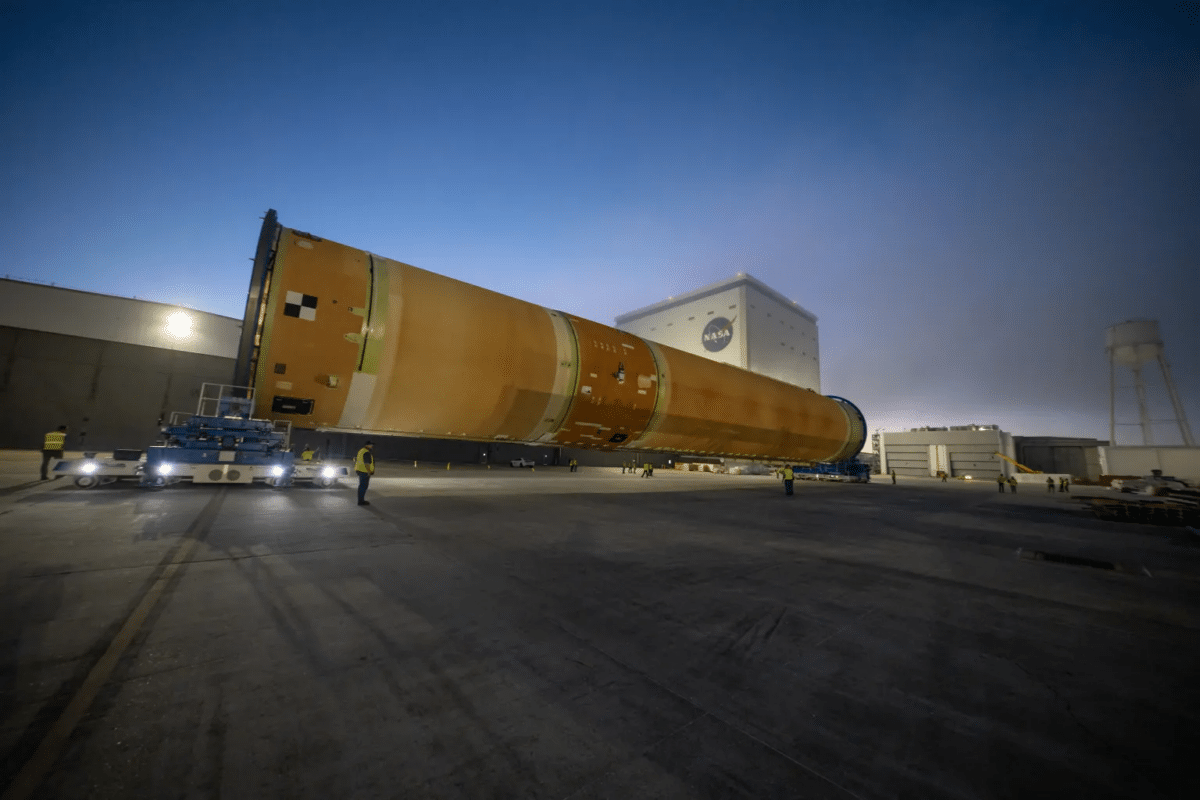
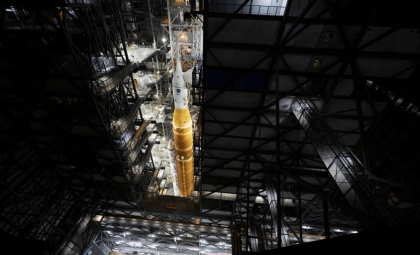
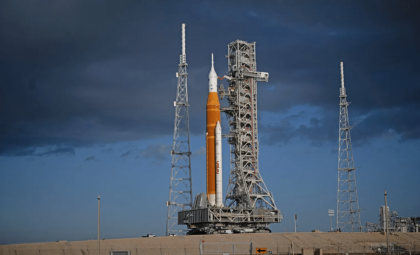
Artemis III is more than a lunar trip; it marks the beginning of a transformative era in NASA’s exploration agenda. The SLS rocket plays a vital role in this venture, designed to transport astronauts and vital equipment to lunar orbit in a single powerful launch. The rollout of the core stage, slated for April 20, 2026, at NASA’s Michoud Assembly Facility in New Orleans, signals the next exciting phase of the Artemis program. This core section, comprising liquid hydrogen and oxygen tanks, intertank, and forward skirt, will be moved to Kennedy Space Center in Florida for further assembly and mission preparation.
This lunar journey involves close cooperation between NASA, Boeing—the primary contractor for the SLS core stage—and L3Harris Technologies, responsible for the rocket’s RS-25 engines. These collaborations are essential to manufacturing and integrating the rocket, ensuring mission success.

A Record-Breaking Rocket Built for Ambitious Exploration
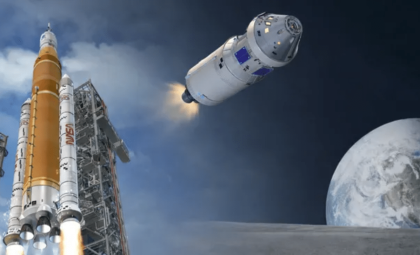
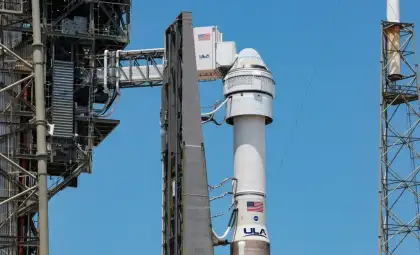
The Space Launch System is NASA’s most formidable rocket to date, designed to carry the Orion spacecraft and crew beyond Earth’s orbit. Powered by four RS-25 engines delivering over two million pounds of thrust, it is engineered to launch astronauts on scientific missions to the Moon and support future Mars expeditions. The Artemis III mission will put the heavy-lift rocket and Orion through rigorous tests, including docking maneuvers with commercial spacecraft, in preparation for the anticipated 2028 lunar landing.
More than a Moon return, NASA’s Artemis program aims to establish a continuous human presence beyond Earth. Artemis III marks the program’s second crewed mission, advancing the agency’s long-term vision of sending humans to Mars. This initiative not only promises new scientific insights but also fosters technological innovations that will shape the future of space travel.
Exclusive Media Coverage Opportunity at Rocket Rollout
Members of the press will have a unique chance to document the core stage’s transfer to the Pegasus barge on April 20, 2026. This event will take place at NASA’s Michoud Assembly Facility, where final preparations for shipment are underway. Attending journalists will be able to capture visual content and hear from NASA officials and industry leaders about the Artemis program’s advancements.
This media event is key to engaging public interest and enthusiasm for Artemis III, a mission poised to influence the future of space exploration. Through ongoing collaboration with industry partners, NASA ensures the public remains informed about each major step toward establishing a sustainable lunar presence.
The Team Effort Behind Building the SLS Rocket
Constructing the Space Launch System has been a comprehensive, multi-year endeavor. While NASA directs the project, contractors like Boeing and L3Harris Technologies play vital roles in bringing the rocket to life. At the Michoud Assembly Facility, the core stage’s components are meticulously assembled, meeting stringent requirements essential for the mission’s success.
The collaboration extends beyond manufacturing. After arriving at Kennedy Space Center, the core stage will undergo detailed outfitting and integration to ensure it is fully mission-ready. These critical steps empower the rocket to safely transport astronauts on this monumental lunar voyage.
- Categories:
- Nasa





0 comments
Sign in to Comment