
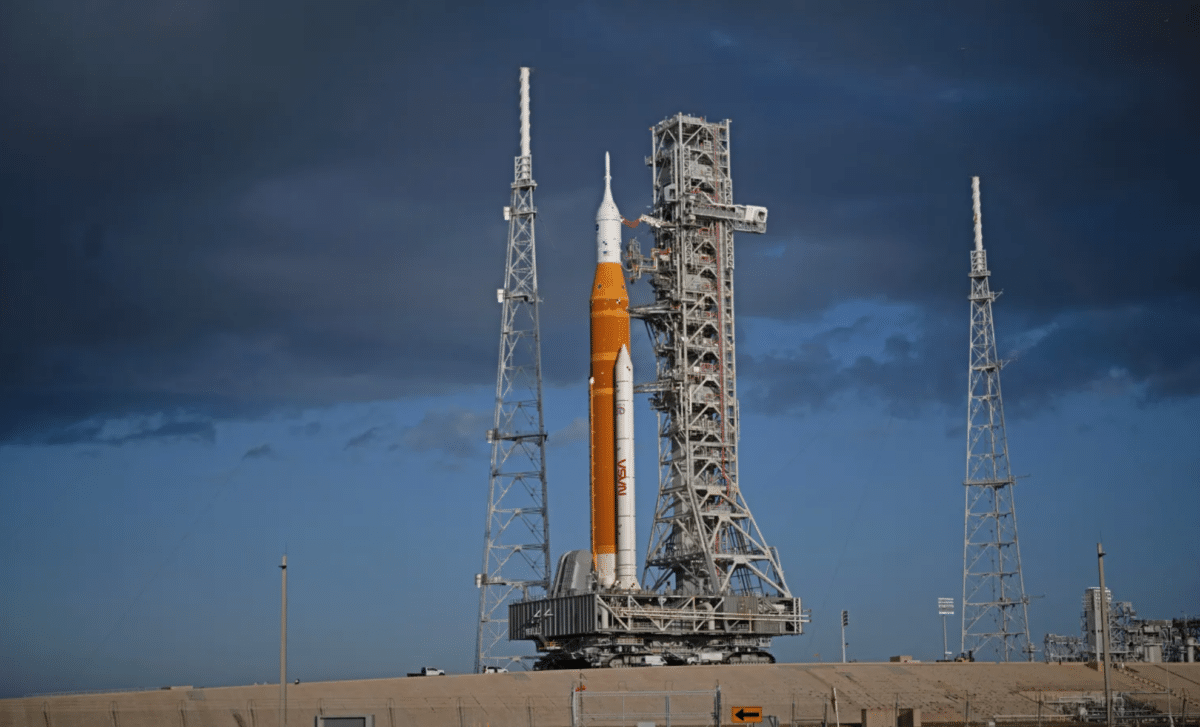
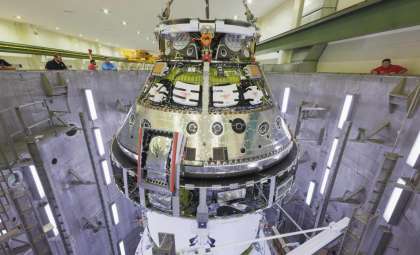
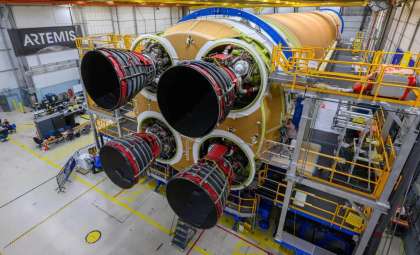
The Artemis II rocket has now arrived at its designated launch site at Kennedy Space Center, signaling the final phase of preparations before its crucial journey to the Moon. On March 20, 2026, the mighty Space Launch System (SLS) and Orion spacecraft were carefully moved to Launch Pad 39B, paving the way for a groundbreaking mission. As NASA readies the crewed flight, global attention is focused on this pivotal step in humanity’s return to the Moon and future expeditions to Mars.
Transporting Artemis II to Its Launch Venue
NASA’s Artemis II system, towering at a height of 322 feet, was relocated to Launch Pad 39B using the colossal crawler-transporter 2. Covering a distance of 4 miles over an 11-hour journey, the vehicle maintained a cautious speed of 0.82 miles per hour to safeguard the intricate assembly. This slow, methodical movement was essential to protect the rocket’s sensitive components and ensure the mission’s ultimate success.
The arrival marks the peak of months of detailed engineering and preparation, with NASA’s teams meticulously verifying every component’s readiness.

“Now that the rocket is at Pad 39B, NASA teams are gearing up for the final stretch of prelaunch preparations ahead of launch as soon as Wednesday, April 1. The early April launch window includes opportunities through Monday, April 6,” NASA reported.
This achievement underscores Artemis II not only as a technical triumph but also as a beacon of human curiosity and determination, as NASA marches onward in its space exploration ambitions.
Understanding the Importance of Artemis II Mission
Artemis II marks a pivotal milestone in NASA’s ambition to bring humans back to the lunar surface. The mission’s crew includes Commander Reid Wiseman, Pilot Victor Glover, and Mission Specialist Christina Koch, along with Canadian astronaut Jeremy Hansen from the Canadian Space Agency (CSA). Set for a 10-day voyage, the team will orbit the Moon before safely returning to Earth. This flight is a stepping stone within the larger Artemis initiative, which aims to create a lasting human foothold on the Moon by decade’s end.
This mission is vital for NASA’s ultimate vision of manned Mars expeditions. Data and insights from Artemis II will refine spacecraft technology, enhance astronaut safety, and improve understanding of extended deep space travel. The Artemis program thus represents more than exploration—it lays the foundation for humanity’s future in space.
NASA’s Artemis Initiative: Dawn of a New Era in Spaceflight
With Artemis II now positioned at Launch Pad 39B, NASA is gearing up not just for a launch, but the beginning of an inspiring new chapter in space history. This ambitious program features global collaboration, involving partners such as the Canadian Space Agency. It embodies more than scientific and technical advancement; it reflects humankind’s innate drive to explore.
NASA’s efforts with Artemis are paving the way for a fresh wave of innovation and space exploration. The achievements and learnings from Artemis II will influence future missions and exemplify NASA’s resolve to make the coming era in space inclusive, sustainable, and groundbreaking.
Final Countdown: Preparing Artemis II for Launch
Now that the rocket stands ready at Launch Pad 39B, NASA’s engineers and mission planners are intensely focused on completing last-minute checks and tests. These critical final phases ensure all systems perform flawlessly ahead of liftoff. Once cleared, Artemis II will mark a major step forward in humanity’s quest to push beyond Earth’s boundaries.
Every facet of this mission tests human resilience and technological advancement. As launch day approaches, anticipation builds worldwide. Artemis II will establish the groundwork for long-term lunar habitation, impacting the future course of space exploration for decades to come.
- Categories:
- Nasa





0 comments
Sign in to Comment