
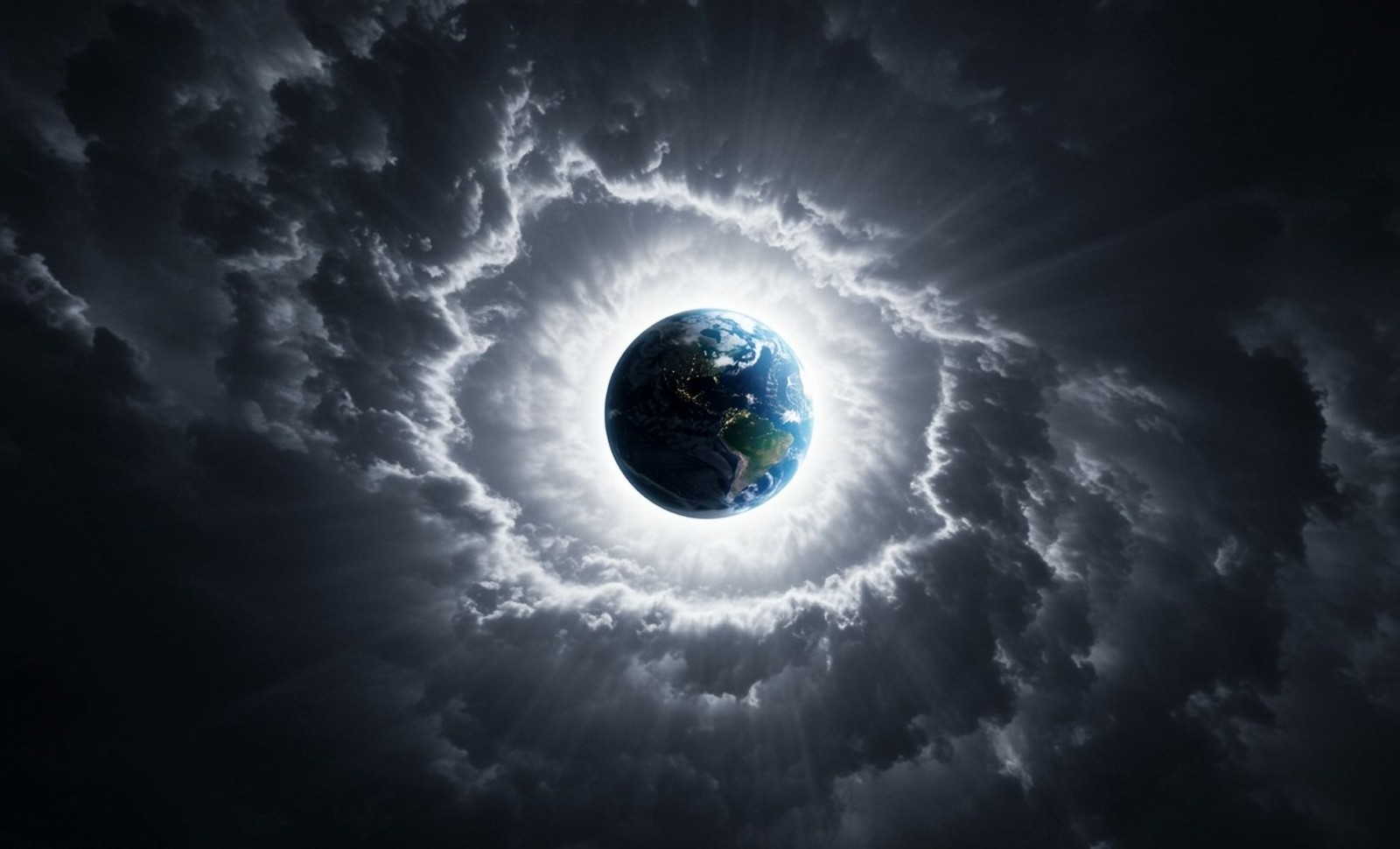
A recent investigation led by NASA researchers has disclosed a concerning trend: since 2001, Earth’s surface has become noticeably less reflective. This decline in reflectivity means the planet is absorbing more solar radiation, potentially intensifying climate-related impacts. The research team, headed by NASA’s Norman Loeb, found that the Northern Hemisphere is darkening more rapidly than the Southern Hemisphere, a shift that could disrupt established global climate systems.
Decreasing Albedo in the Northern Hemisphere
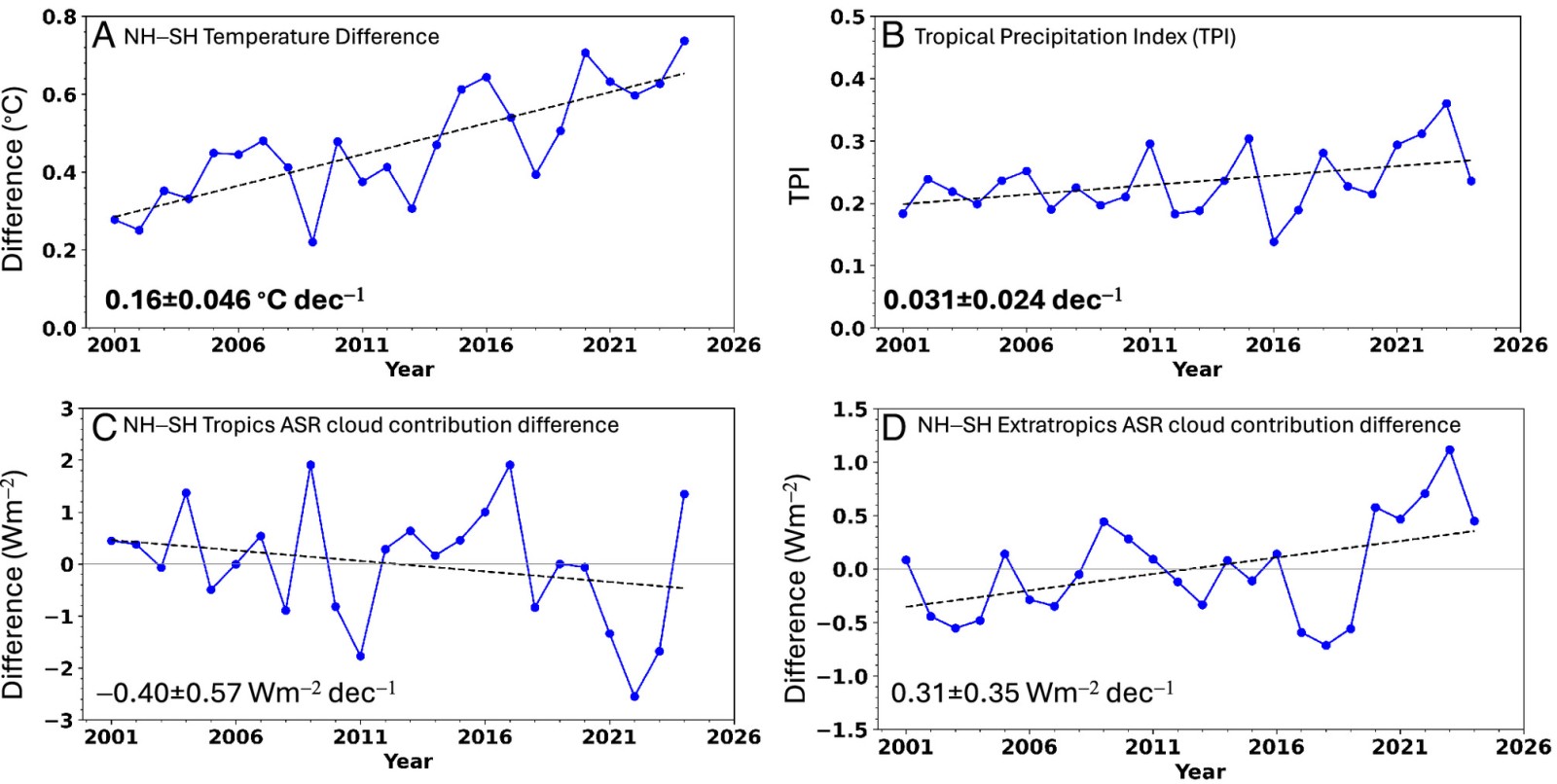
Published in the journal Proceedings of the National Academy of Sciences, the study examined satellite observations spanning from 2001 to 2024 to assess changes in Earth’s energy budget and surface reflectivity. Though the reduction in albedo appears modest—about 0.34 watts per square meter per decade—this small shift enables greater retention of solar heat, likely accelerating ongoing climate change effects in subtle yet significant ways.
A key contributor to this darkening effect is occurring in the Northern Hemisphere, notably within the Arctic region. Here, extensive melting of snow and ice has led to exposure of darker ocean waters and landmasses, which absorb rather than reflect sunlight.

Norman Loeb’s team explains that this situation creates a reinforcing cycle: as the Arctic surface darkens, it absorbs increased heat; this warming hastens ice loss, further diminishing reflectivity and limiting recovery of frozen areas. The accelerated dimming in the northern half of the planet exceeds previous forecasts and could trigger profound shifts in both regional and global climate dynamics.
Impact of Aerosols and Pollution Across Hemispheres
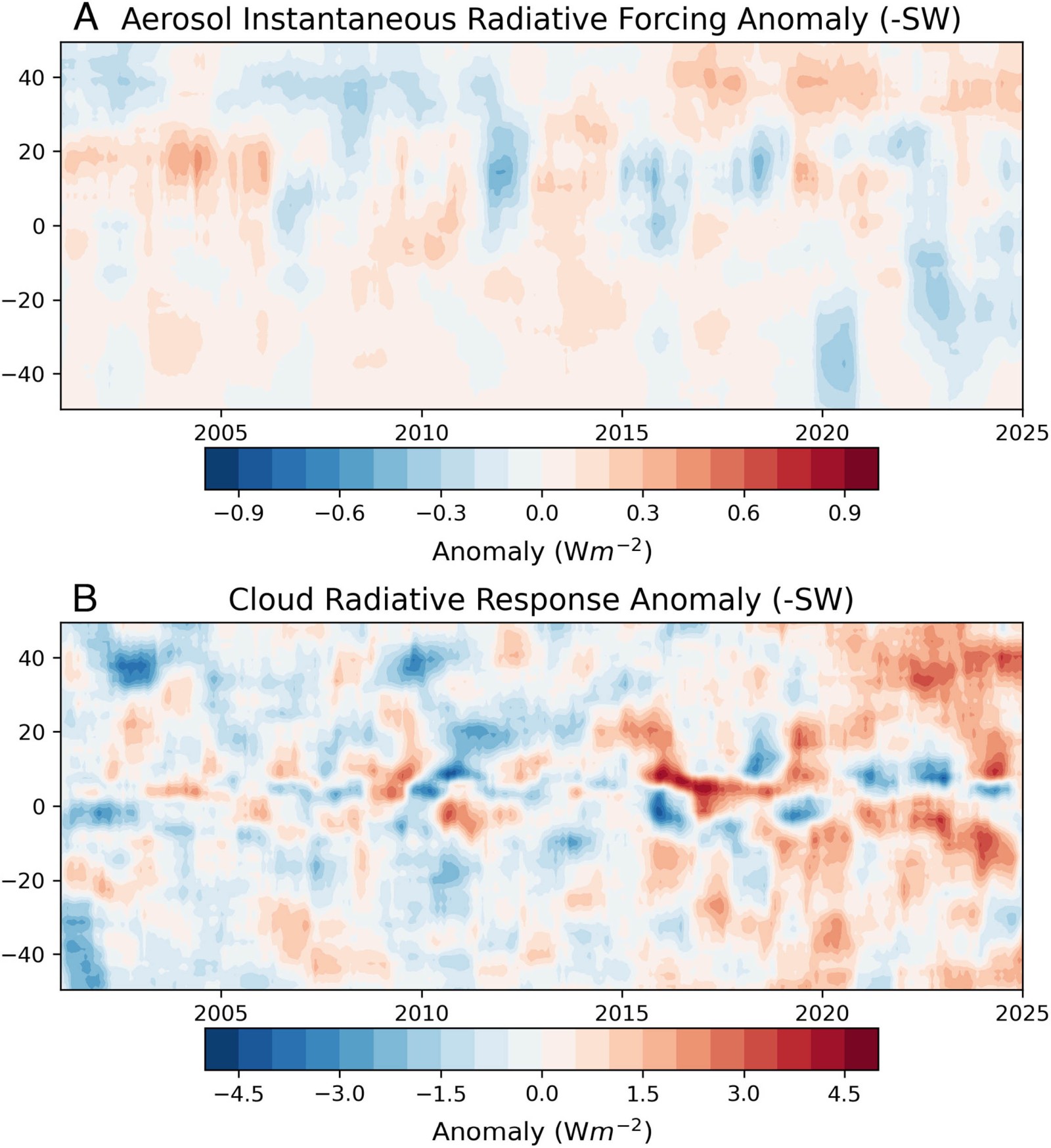
A distinct but unexpected factor contributing to Earth’s darkening involves atmospheric aerosols—microscopic particles capable of scattering sunlight. In the Northern Hemisphere, stricter emission controls in regions such as North America, Europe, and parts of East Asia have substantially lowered aerosol concentrations.
While this reduction benefits air quality and public health, it also means fewer aerosols are available to reflect sunlight, resulting in a gradual dimming across the northern half of the globe. Conversely, transient spikes in aerosol levels in the Southern Hemisphere, caused by natural phenomena like the Australian wildfires and the Hunga Tonga-Hunga Ha‘apai volcanic eruption, have temporarily increased solar reflectance there, effectively slowing its darkening trend.
This discrepancy between hemispheres—where the north is darkening at a quicker pace than the south—may disturb the global distribution of heat, thereby influencing weather patterns in ways that remain largely uncertain.
- Categories:
- News











0 comments
Sign in to Comment