
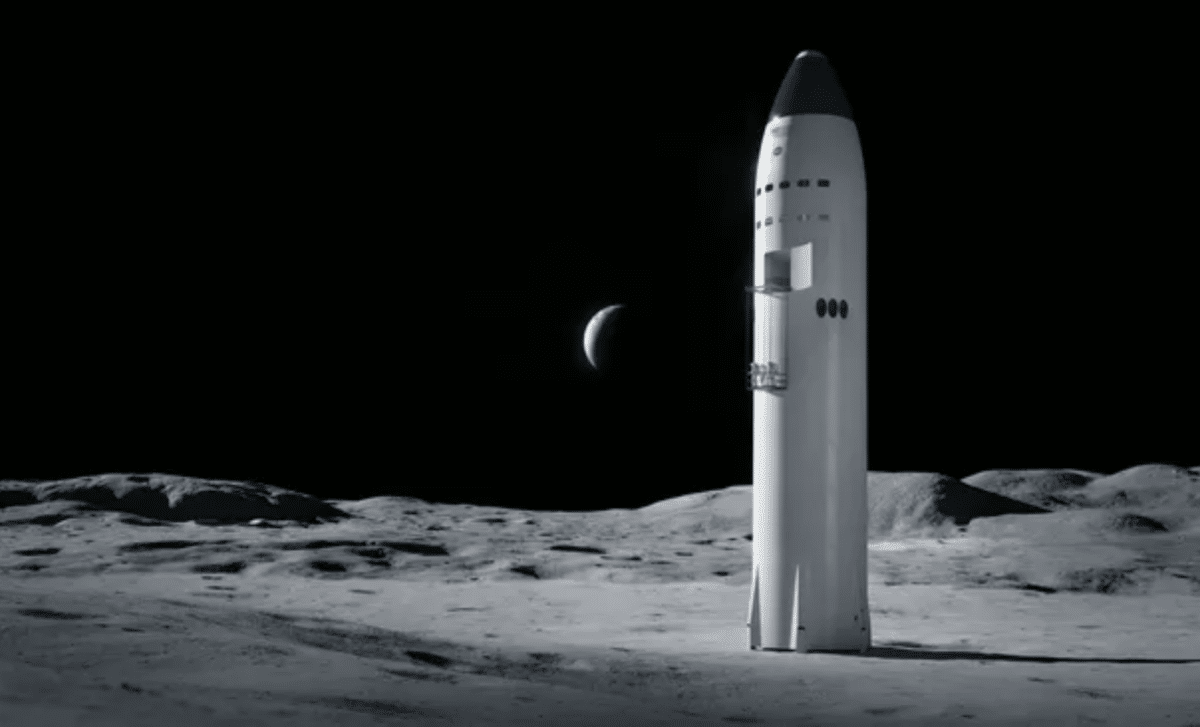
NASA has updated its Artemis program timeline, choosing to postpone the initial moon landing originally slated for Artemis 3. This change comes amid ongoing concerns regarding the preparedness of critical spacecraft elements, including the Human Landing System (HLS). According to a report from NASA’s Aerospace Safety Advisory Panel (ASAP), the agency is prioritizing a streamlined mission design to enhance safety and reliability. Consequently, the first crewed lunar touchdown is now projected for Artemis 4 in 2028, rather than the previously planned Artemis 3 flight.
NASA Adopts a Safer, More Manageable Approach to the Artemis Program
The cancellation of an astronaut landing during Artemis 3 represents a strategic pivot aimed at lowering mission complexity and improving readiness. Initially, Artemis sought to bring humans back to the lunar surface by the mid-2020s, but new insights have prompted officials to reconsider the approach to ensure mission success and astronaut safety.
“We want to reduce complexity to the greatest extent possible,” said Isaacman during a briefing. “We want to accelerate manufacturing, pull in the hardware and increase launch rate, which obviously has a direct safety consideration to it as well.”
Add Cosmo Herald as a Preferred Source

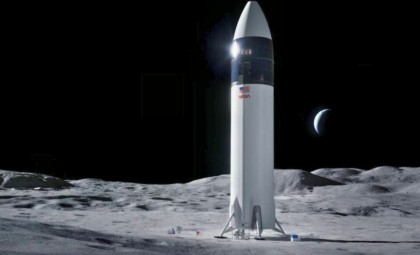
This revised plan addresses the paramount safety concerns highlighted by the ASAP report, particularly regarding the readiness of the HLS vehicles. These landers, which NASA commissioned from commercial partners like SpaceX and Blue Origin, have not yet met the standards for safely ferrying astronauts to and from the Moon. Notably, delays on SpaceX’s Starship program have driven the reassessment of the mission schedule. Artemis 3’s role will now focus on validating critical systems in low Earth orbit as a foundation for future lunar surface missions.
Impact of the Artemis 3 Changes on NASA’s Lunar Exploration Timetable
With the lunar landing deferred, Artemis 3 will no longer be humanity’s first Moon return mission since Apollo 17 in 1972. Instead, the new timeline underlines NASA’s commitment to a methodical strategy that ensures all technologies and hardware are flight-proven before undertaking crewed lunar landings. In an interview with Space.com, Isaacman emphasized that this path reflects ASAP’s recommendations:
“I think what we’re doing is directly in line with what ASAP asked us to do,” he said. “I think it should be incredibly obvious you don’t go from one uncrewed launch of Orion and SLS, wait three years, go around the moon, wait three years and land on it.”
NASA’s focus on incremental testing aims to reduce risks and build mission confidence. Consequently, the first humans are now expected to set foot on the Moon during Artemis 4 in 2028. Although this delay may be disappointing, it favors a robust, dependable return to lunar exploration. Additionally, NASA is working to ensure seamless integration of major mission elements, including the Space Launch System (SLS) rocket and Orion crew capsule, with the goal of increasing mission frequency and operational experience.
NASA will increase the cadence of the Artemis missions to successfully return humans to the Moon and sustain a lunar presence.
Artemis III will test systems in low Earth orbit to prepare for an Artemis IV Moon landing in 2028. https://t.co/TovtCfQXzf pic.twitter.com/WFrTdacerY— NASA (@NASA) February 27, 2026
Technical Obstacles and NASA’s Path Forward
Despite the setback in Artemis 3’s original plan, NASA remains focused on its lunar objectives. Progress continues on key systems such as the SLS rocket and Orion spacecraft, which will feature prominently in the upcoming Artemis 2 mission. Nonetheless, technical difficulties persist, including an issue with the helium flow system in the SLS booster. Lori Glaze, NASA’s acting associate administrator for the Exploration Systems Development Mission Directorate, discussed the ongoing troubleshooting efforts:
“The suspected system component for the helium flow will be removed, and they’re going to undergo detailed sections and assess the cause of the issue,” she said. “We hope to get down to the root cause of that and make changes, not just to the hardware, but to our operational procedures, so that we don’t encounter the same issue again when we roll back out to the pad.”
These challenges highlight the inherent complexities of space exploration, and the delay offers NASA valuable time to refine systems and processes. By learning from these hurdles, the agency aims to pave a smoother path for future Artemis missions.
- Categories:
- Space






0 comments
Sign in to Comment