
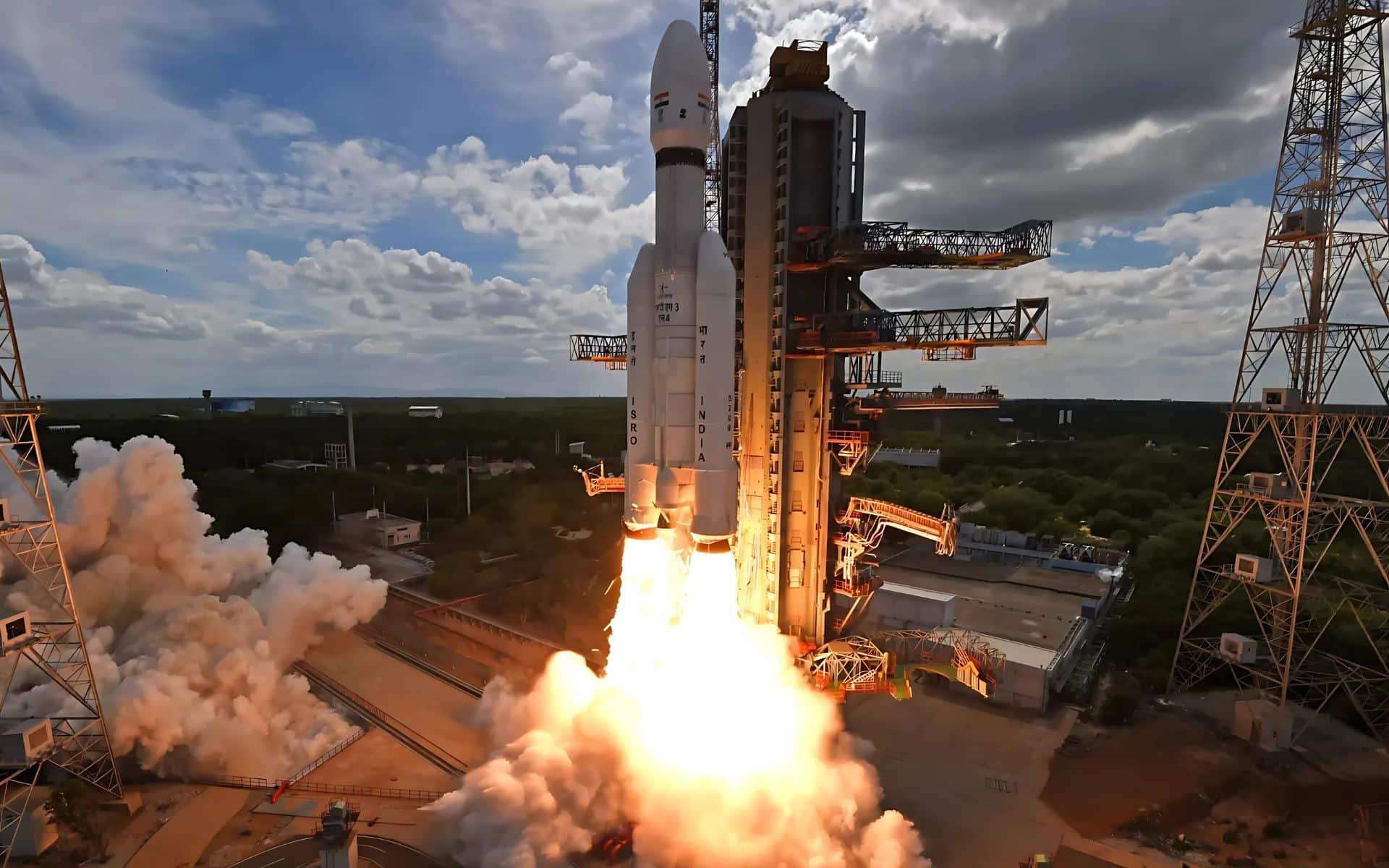
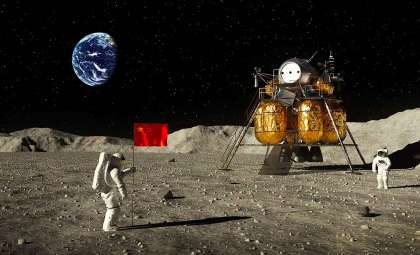
India’s space agency is preparing for a landmark mission, Chandrayaan-4, which aims to return lunar soil samples to Earth by 2028. This bold initiative, led by the Indian Space Research Organisation (ISRO), was highlighted by ISRO Chairman S. Somanath in a recent briefing held in New Delhi.
Chandrayaan-4: Pioneering New Milestones on the Moon
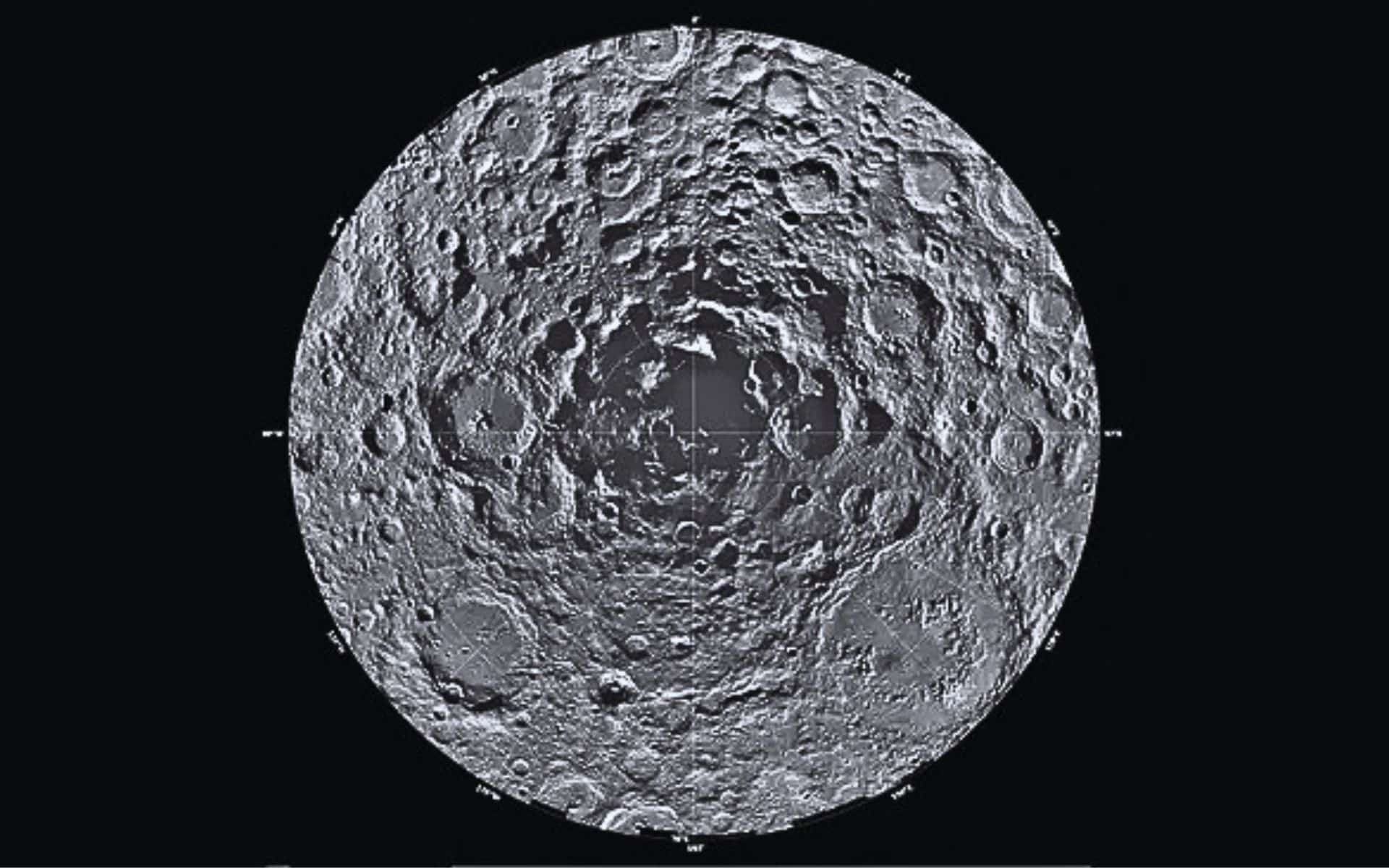
The Chandrayaan-4 project intends to harvest approximately 3 kilograms (6.6 pounds) of moon material from an ice-rich region near the lunar South Pole. This endeavor underscores India’s aspirations to solidify its role in the international space community while boosting its space industry, with a government investment of 21 billion rupees (about $250 million) backing the mission.
Somanath noted the complexities involved: “While spacefaring nations like the US and Russia accomplished this decades ago, attempting it now remains a monumental and costly challenge.” To overcome financial hurdles, ISRO is seeking novel, budget-friendly approaches for accomplishing the mission’s goals.

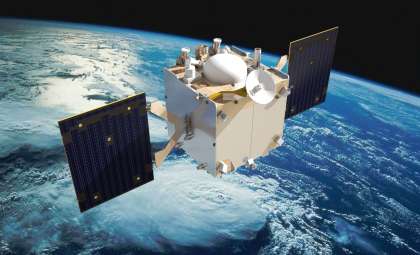
The mission’s design includes a complex configuration of five spacecraft components, necessitating two launches via ISRO's LVM-3 vehicle. The initial launch will carry a lander alongside a vehicle designed to collect samples and ascend, while the second will deploy a transit module and a reentry capsule stationed in lunar orbit. Post-sample collection, the ascender will dock with the orbital capsule to return the payload to Earth.
To ensure smooth operations, ISRO plans to perform a $14 million space docking experiment (SPADEX) by late 2024 or early 2025 to validate docking technology in orbit. In tandem, they are designing specialized instruments including a robotic arm and drilling apparatus to gather both surface and subsurface lunar samples.
Landing Site Strategy and Scientific Objectives
Although the exact landing coordinates have not been finalized, preliminary targets include an area near Shiv Shakti Point close to the South Pole, the location of Chandrayaan-3’s notable touchdown. The site’s rich deposits of water ice are crucial, as these could be processed into vital substances like oxygen for breathing and propellant for rockets. This locale is becoming a focal point for future lunar exploration, with space agencies like NASA and China planning missions there.
Partnership with Japan on Lunar Polar Exploration
Looking ahead, ISRO will team with the Japan Aerospace Exploration Agency (JAXA) on the Chandrayaan-5, also called the Lunar Polar Exploration (LUPEX) mission. This project features a substantial 350 kg (770-pound) rover supplied by JAXA, far larger than the Pragyan rover deployed during Chandrayaan-3.
These initiatives fit India’s long-term ambition to land astronauts on the moon by 2040, aiming to establish a permanent lunar habitat by 2050. Currently, ISRO is concentrating on overcoming the technical challenges necessary to realize Chandrayaan-4.
"Our entire team is enthusiastic about engineering this complex mission and achieving a successful launch by 2028," Somanath expressed, highlighting the dedication propelling ISRO’s newest lunar endeavor.






0 comments
Sign in to Comment