

NASA has announced an updated roster for its upcoming SpaceX Crew-9 expedition to prioritize the safe return of astronauts currently aboard the International Space Station (ISS).
This adjustment comes in the wake of technical complications with the Boeing Starliner spacecraft, initially designated for the homecoming of these crew members. To address this urgency, NASA has made the tough decision to remove two astronauts from the Crew-9 flight, reallocating their positions to guarantee the safe return of the affected personnel.
Astronauts Impacted by the Update
The changes primarily affect NASA astronauts Zena Cardman and Stephanie Wilson, both formerly slated for Crew-9. Cardman was anticipating her maiden voyage into space, a milestone now deferred. Meanwhile, veteran astronaut Wilson, with three shuttle missions to her name, has also been reassigned. NASA determined this course considering factors such as astronaut experience, ISS requirements, and mission objectives.

The agency reassured that Cardman and Wilson remain candidates for future missions. A NASA statement emphasized, "Our astronauts are eligible for reassignment on upcoming flights." This flexibility embodies NASA’s adaptive approach, ensuring mission safety takes precedence amid unforeseen challenges.

Ongoing Issues with Boeing Starliner
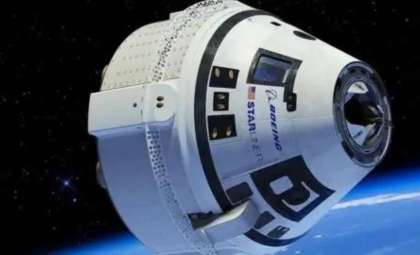
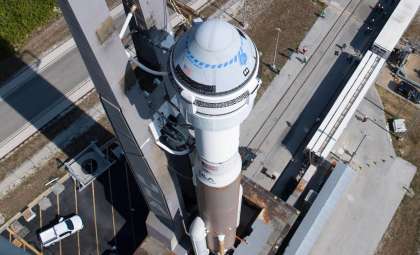
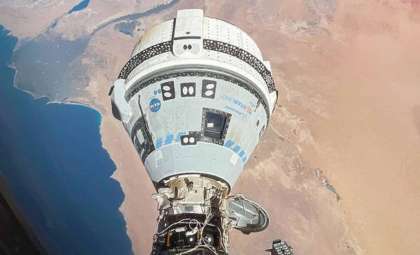
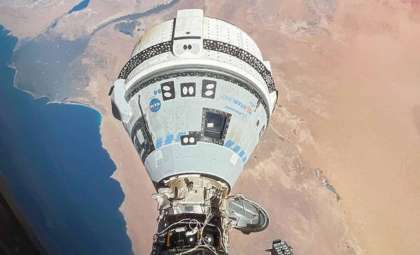
The catalyst behind these adjustments is the technical trouble that the Boeing Starliner spacecraft has encountered. Now on its initial crewed test flight, Starliner was a key component in NASA's strategy to diversify crew transportation. Unfortunately, since docking with the ISS in June 2024, the spacecraft has experienced propulsion and thruster malfunctions, raising concerns about safely returning astronauts Butch Wilmore and Suni Williams.
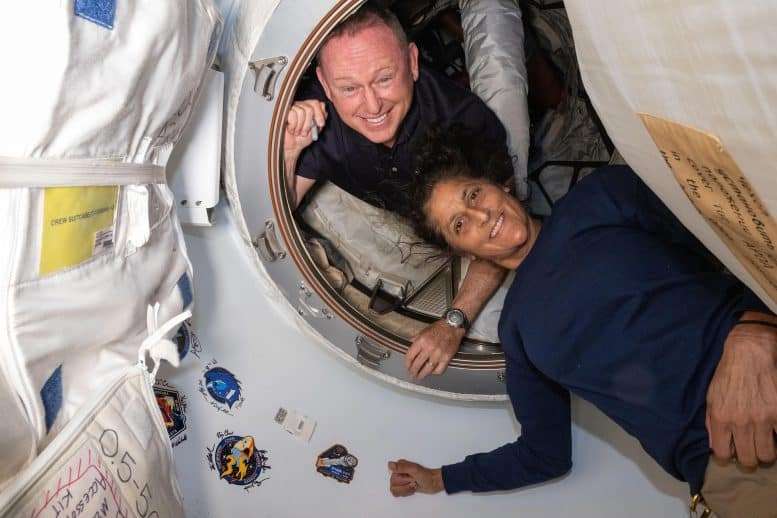
Following extensive testing and safety reviews, NASA decided the risks related to Starliner’s return trip were unacceptable. As a result, the spacecraft will undertake an uncrewed return, aiming for a landing in the New Mexico desert as early as next Friday. This approach prioritizes astronaut safety while allowing further examination of Starliner’s issues.
Having the Starliner return empty enables NASA and Boeing to carry out more in-depth troubleshooting without endangering crew members. This incident highlights the inherent complexities of space exploration and the challenges of integrating new technology. The investigation’s findings will be crucial in shaping Starliner’s future role in NASA’s crewed spaceflight initiatives.
Repercussions for SpaceX Crew-9
With the Boeing Starliner unable to ferry astronauts home, the SpaceX Crew-9 mission now plays an essential role in bringing stranded ISS astronauts back. Initially planned to transport four individuals to the space station, Crew-9 will now fly with only two crew members: Nick Hague, a NASA astronaut and U.S. Space Force officer, and Aleksandr Gorbunov, a Russian cosmonaut. This change also promotes Hague from pilot to mission commander. Hague’s prior experience, including surviving a dramatic Soyuz abort in 2018, equips him well to lead this critical flight.

For Gorbunov, Crew-9 represents his inaugural space journey. His assignment is part of a wider NASA-Roscosmos seat exchange, which fosters continued collaboration between the agencies amidst global political tensions. This alliance remains vital for maintaining steady ISS operations, with diverse international crews supporting station objectives.
The updated Crew-9 launch is scheduled for September 24, 2024, provided ongoing inquiries into a recent SpaceX Falcon 9 booster landing malfunction, which occurred on August 28, 2024, do not cause further hold-ups. The FAA temporarily grounded the Falcon 9 fleet to investigate, adding more uncertainty to the timeline and underscoring the complexities inherent in space missions.
Consequences for NASA’s Commercial Partnerships
These events carry significant weight for NASA’s strategy of collaborating with commercial aerospace companies to advance space exploration. The Starliner setbacks remind all stakeholders of the challenges that come with pioneering space technology. NASA’s choice to reshuffle astronauts and mission plans highlights its unwavering focus on crew safety even while managing multiple private partners.
The performance of the Crew-9 mission, now tasked with the added responsibility of bringing back astronauts from ISS, will be closely monitored. Success or failure will influence both NASA’s human spaceflight approach and its engagement with companies like SpaceX and Boeing moving forward.





0 comments
Sign in to Comment