
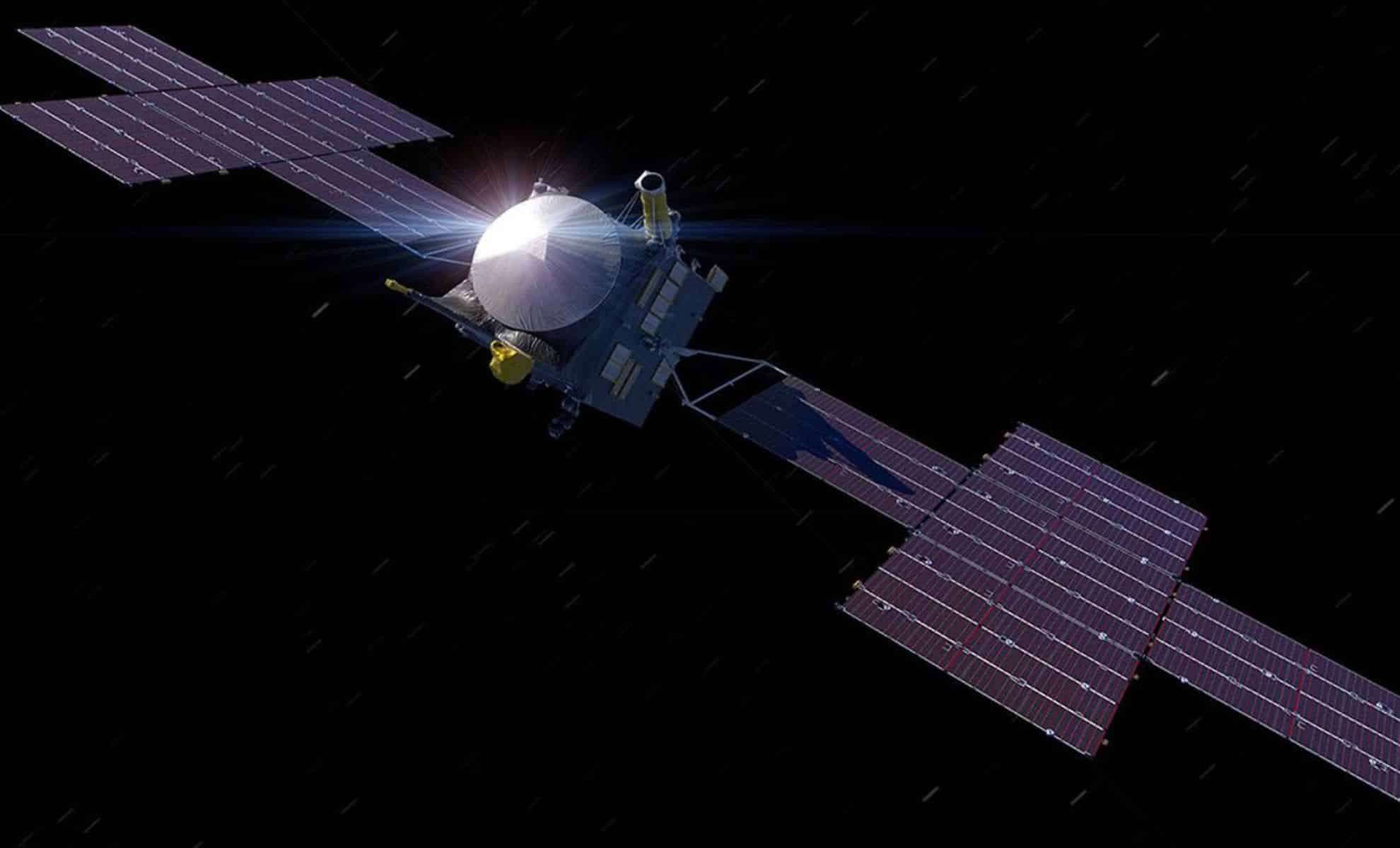
NASA’s Psyche spacecraft has successfully reactivated its full propulsion capability following a brief interruption earlier in 2025. As detailed in a NASA Science update, the engineering team resolved the propulsion issue, enabling the probe to maintain its trajectory toward its distant target within the asteroid belt.
Unexpected Pressure Fluctuation Brings Propulsion to a Halt
In early April 2025, the Psyche mission experienced a sudden stop in thruster operation due to a detected pressure drop in its propulsion system. While the spacecraft remained stable, this anomaly posed potential risks for mission timing and navigation precision.
After thorough examination, the team identified a valve malfunction within the main xenon gas supply line essential to the electric thruster system. Lacking a safe repair method on the primary channel, engineers switched to an onboard backup xenon line. This effective workaround allowed full thruster operation to recommence on June 16.

Steady Propulsion Resumed to Secure Vital Mars Gravity Assist
Now using the backup xenon line, Psyche’s electric propulsion is functioning as designed. The plan involves continuous thruster activity cumulatively amounting to approximately three months from June through November 2025. This ensures the spacecraft will stay on course for a critical gravity-assist flyby of Mars scheduled for May 2026.
This flyby will provide an essential boost in speed required to guide Psyche toward its destination in the main asteroid belt. Without this maneuver, the spacecraft would have needed course adjustments, which have been successfully avoided thanks to the restored propulsion.
“The mission team’s comprehensive problem-solving and rapid system recovery highlight NASA’s engineering excellence,” remarked Bob Mase, project manager at NASA’s Jet Propulsion Laboratory. “This accomplishment underscores the advantage of robust system design and collaborative teamwork.”
Electric Thrusters and Xenon: Cornerstones of the Mission
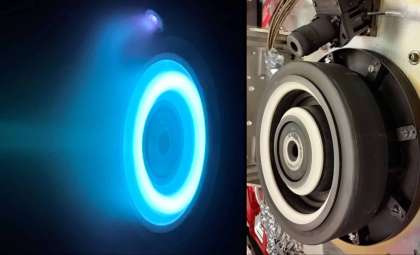
Psyche relies on an electric propulsion system powered by ionized xenon gas. This technology generates continuous, gentle thrust by accelerating charged xenon ions, making it ideal for the extensive duration of space exploration missions. The gradual acceleration builds the momentum needed to reach distant targets.
While highly efficient, this propulsion approach demands unwavering stability. Slight variations in xenon pressure or flow can jeopardize the spacecraft’s navigation accuracy over long periods. The recent switch to a backup system highlights the critical role of redundancy and adaptable engineering in autonomous spacecraft.
This event reaffirms NASA’s risk management philosophy: anticipate system vulnerabilities and embed backup capabilities into spacecraft design.
Psyche On Target for Asteroid Arrival in 2029
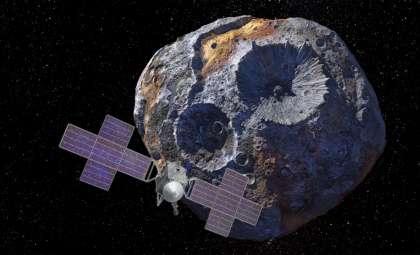
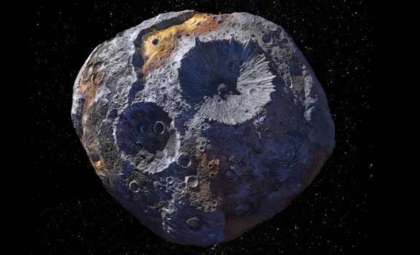
Despite the earlier interruption, Psyche remains on course to reach its metal-rich asteroid in August 2029. This unique celestial body offers valuable clues about the early building blocks of rocky planets like Earth, possibly representing the exposed core of a primordial planetesimal.
Upon arrival, the spacecraft will conduct an in-depth examination of the asteroid’s surface features, magnetic environment, and elemental makeup. Its findings will help determine whether the asteroid is a fragment of an ancient planetary core or a new classification of object challenging current planetary formation models.
With propulsion back to full operation, the team can now focus fully on mission science objectives, unburdened by immediate navigation concerns.
Engineering Resilience Drives Psyche Forward
What initially threatened to disrupt the mission became a testament to effective engineering foresight and swift troubleshooting. Switching to a redundant propulsion line and restoring functionality illustrates the importance of smart spacecraft design and thorough system expertise.
“Their thorough diagnosis and recovery, using the backup system, demonstrates the value of robust spacecraft design and exceptional teamwork,” reiterated Bob Mase. This recovery not only marks a technical milestone but also serves as an example of the resilience engineered into modern space exploration missions.
Psyche continues its voyage through the solar system, now fully powered and backed by a dedicated team ready for future challenges.
- Categories:
- News









0 comments
Sign in to Comment