
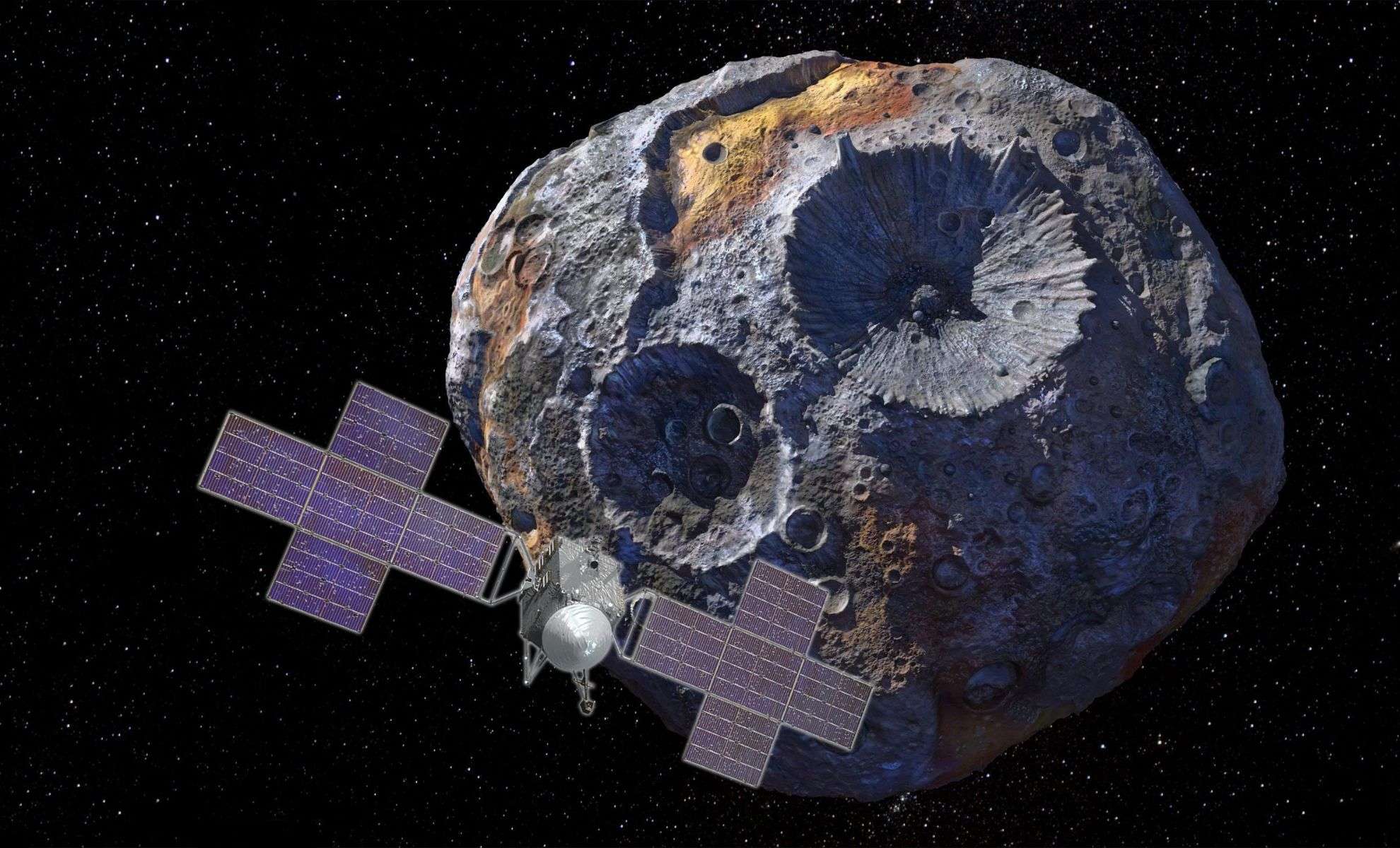
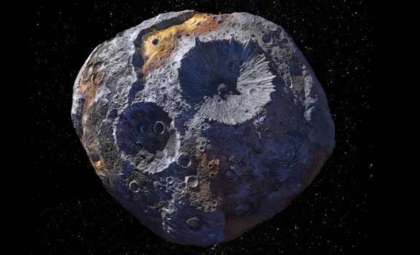
NASA’s Psyche mission, which targets the exploration of the metal-heavy asteroid Psyche, has encountered complications during its voyage. As detailed in a NASA update from April 29, 2025, the spacecraft experienced a drop in fuel pressure affecting its electric propulsion system, causing its thrusters to shut off. Launched in October 2023, Psyche was on track to reach this valuable asteroid—estimated to be worth $10,000 quadrillion—but engineers must now investigate and resolve the propulsion fault.
The Psyche spacecraft is en route to one of the asteroid belt’s largest bodies, situated between Mars and Jupiter. Its scientific objective is to analyze Psyche’s unique metallic makeup to gain new perspectives on planetary genesis. However, this propulsion challenge requires reassessment of the spacecraft’s flight path and its ability to arrive in 2029.
Understanding the Propulsion Complication and Consequences
The problem surfaced in early April 2025, when mission engineers observed a sudden decline in xenon fuel line pressure, dropping from 36 psi to 26 psi. This pressure loss activated an automatic shutdown of the spacecraft’s electric thrusters. While this interruption halts the spacecraft temporarily, the mission was designed with contingencies to manage such events.

NASA’s statement clarified:
“The mission design supports a pause in thrusting until at least mid-June before the spacecraft would see an effect on its trajectory.”
Engineers remain hopeful that switching to Psyche’s redundant fuel line will resolve the issue swiftly, allowing propulsion to continue and maintaining the spacecraft’s route toward its destination.
Overcoming Obstacles in Space Exploration
Setbacks like these are a familiar part of space missions. Louise Prockter, leader of NASA’s Planetary Science Division, emphasized that such incidents are expected, and the presence of backup systems is crucial for mission resilience.
Redundancy in spacecraft engineering allows teams to anticipate malfunctions and minimize their impact on mission goals. This approach was central to Psyche’s mission, with a secondary propulsion system ready to activate if needed. Project engineer McDowell reassured observers, stating that minor technical issues occur regularly and are unlikely to jeopardize the mission’s success.
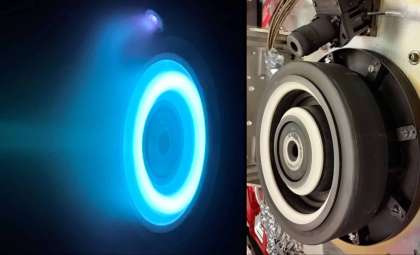
The spacecraft’s propulsion utilizes solar-powered electric thrusters fueled by xenon gas. Despite generating minimal thrust, this system operates with remarkable efficiency, slowly propelling Psyche across the roughly 309 million-mile journey—nearly three times Earth’s distance from the Sun.
Mission Objectives and Prospects for Psyche
The Psyche asteroid stands out among solar system bodies due to its predominantly metallic constitution, probably representing the exposed core of an early planetary building block. NASA researchers hope that studying Psyche will shed light on planetary core formation and offer insights into the solar system’s earliest evolution.
Despite the temporary setback in propulsion, NASA assures that the timeline remains on track. The spacecraft’s expected arrival in 2029 should still be achievable as engineers monitor and adjust its course as necessary.
As NASA explained:
“The electric propulsion system has two identical fuel lines, and the team may decide to switch to the backup fuel line to resume thrusting.” This approach gives the team confidence that the spacecraft will continue its journey as planned, although engineers will closely monitor the system’s performance moving forward.
Measuring about 173 miles in length and 144 miles in width—roughly the size of Maryland—Psyche will be examined in unprecedented detail. The spacecraft’s instruments will capture high-resolution imagery, map surface features, and analyze its composition to better understand planetary formation processes. The asteroid’s rich metal content has also sparked interest in potential future mining endeavors, though such ventures remain distant prospects.
- Categories:
- News





0 comments
Sign in to Comment