
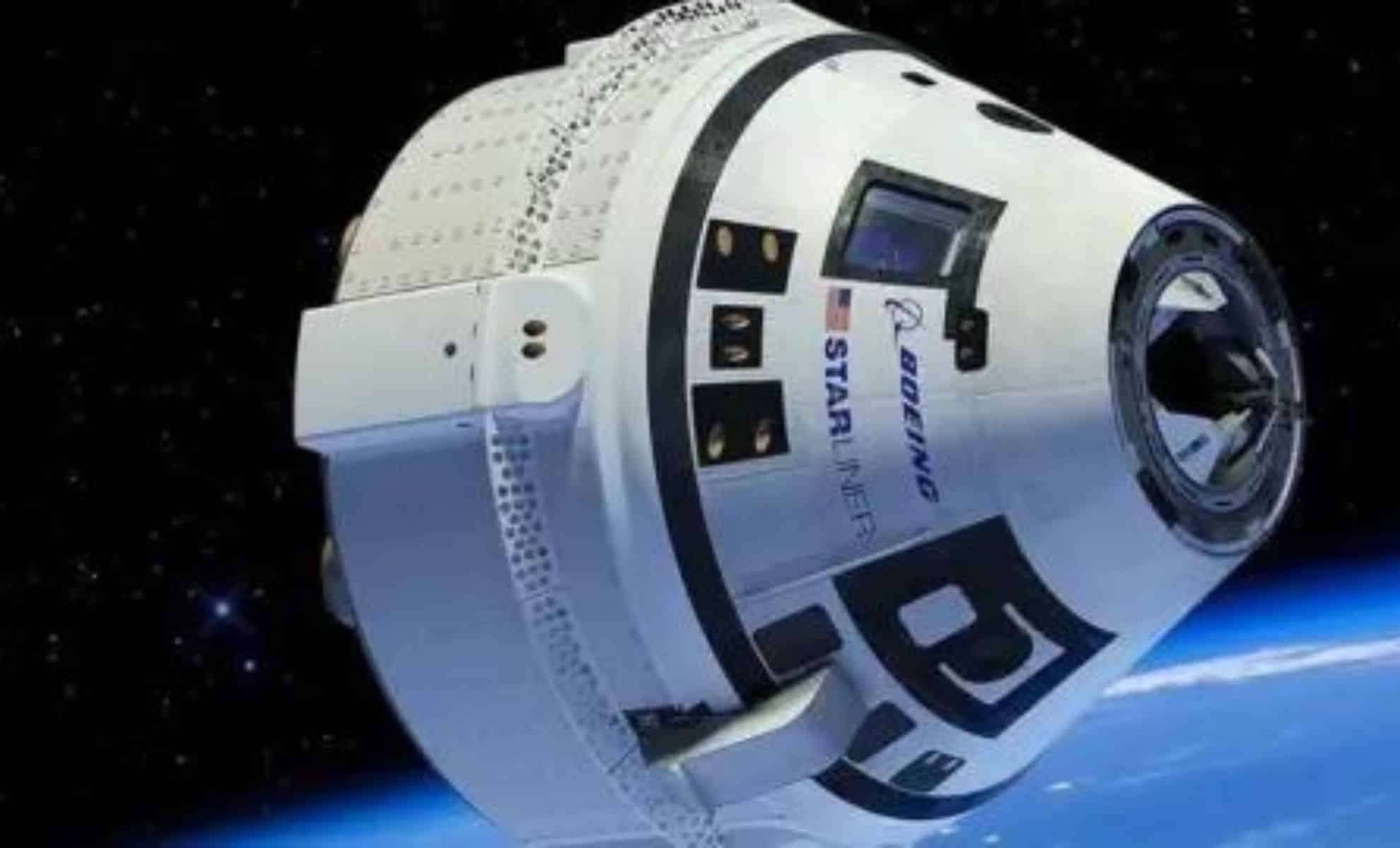
Engineers from Boeing and NASA have wrapped up a critical series of ground-based evaluations on the Starliner spacecraft’s Reaction Control System (RCS) thrusters at the White Sands Test Facility in New Mexico.
This testing campaign was designed to replicate the thrust anomalies encountered during Starliner’s mid-June mission, yielding valuable data to better understand the spacecraft’s propulsion system performance and reliability.
Comprehensive Thruster Testing and Simulation
During the past several weeks, the technical teams have executed in-depth simulations that mirror the real-time conditions faced by Starliner in flight. Boeing detailed that these assessments included subjecting the thrusters to an intensive launch-to-docking pulse sequence exceeding 1,000 firings to simulate Crew Flight Test (CFT) scenarios. Additional tests modeled the undocking process and deorbit burns to evaluate how the thrusters function during re-entry phases.

Dan Niedermaier, lead engineer on the thruster testing project at Boeing, highlighted the rigorous nature of the procedures: “We extended pulse durations and increased their frequency to better mimic the elevated thermal environments the thrusters endured during the actual flight.” This careful methodology produced terabytes of data now under detailed analysis to uncover the factors behind thrust performance drops and safeguard mission success.
Post-Test Examination and Data Review
With ground testing completed, the teams have proceeded with detailed “engine disassemblies and examinations” to gain deeper insight into the thruster’s health and operational state. Steve Stich, NASA’s Commercial Crew Program Manager, stressed the critical nature of these efforts, noting that an exhaustive review is necessary before clearing Starliner for flight.
“We are now focused on analyzing all collected data alongside comprehensive physical inspections to verify the thrusters’ durability and functionality,” Stich stated. This assessment will culminate in an Agency Flight Test Readiness Review that will decide the spacecraft’s readiness for its vital crew return mission.
Boeing and NASA plan to hold a media teleconference to share updates on the testing progress and findings, emphasizing the collaborative nature of their work to ensure mission success.
Crew Awaiting Return from ISS
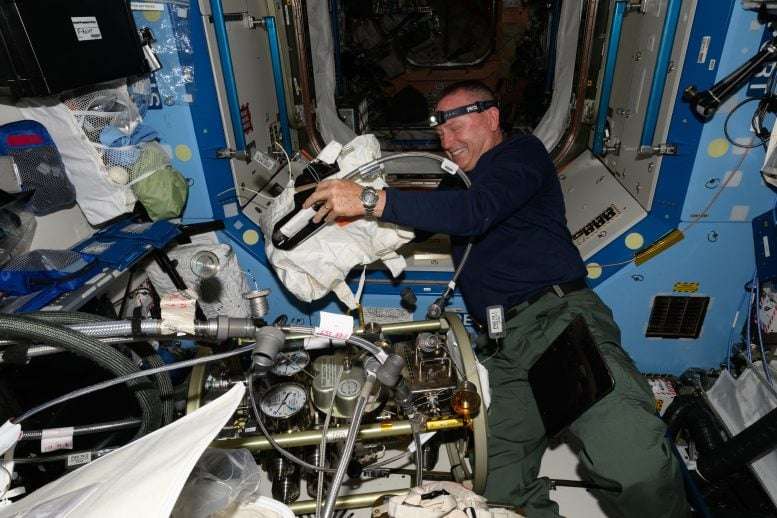
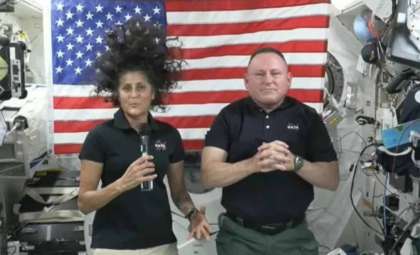
Astronauts Butch Wilmore and Suni Williams, currently stationed on the International Space Station (ISS), remain in orbit awaiting their return trip, which is pending completion of the ongoing evaluation processes.
During their extended mission, the duo has been supporting Expedition 71 operations by engaging in various scientific studies and maintenance tasks, showcasing their adaptability and dedication.
Williams has spearheaded innovative research utilizing microgravity to produce superior-quality optical fibers, while both astronauts have participated in vein imaging experiments crucial for understanding the biological effects of prolonged space exposure. These activities not only contribute to scientific advancement but also help sustain their operational readiness and morale during the extended mission.
Importance and Broader Implications
The thorough evaluation work highlights the complexities inherent in verifying spacecraft safety and reliability. These ground tests are indispensable for identifying issues early, preventing in-flight anomalies.
Resolving the identified thruster concerns is essential not only for ensuring the astronauts’ safe return but also for strengthening the Starliner’s design for upcoming missions. This level of scrutiny echoes the painstaking testing programs of historic space endeavors such as Apollo and the Space Shuttle.
“Every test we perform and data set we analyze advances us towards safer, more dependable space travel,” Stich reflected, underscoring the lasting significance of these efforts for human space exploration.






0 comments
Sign in to Comment