
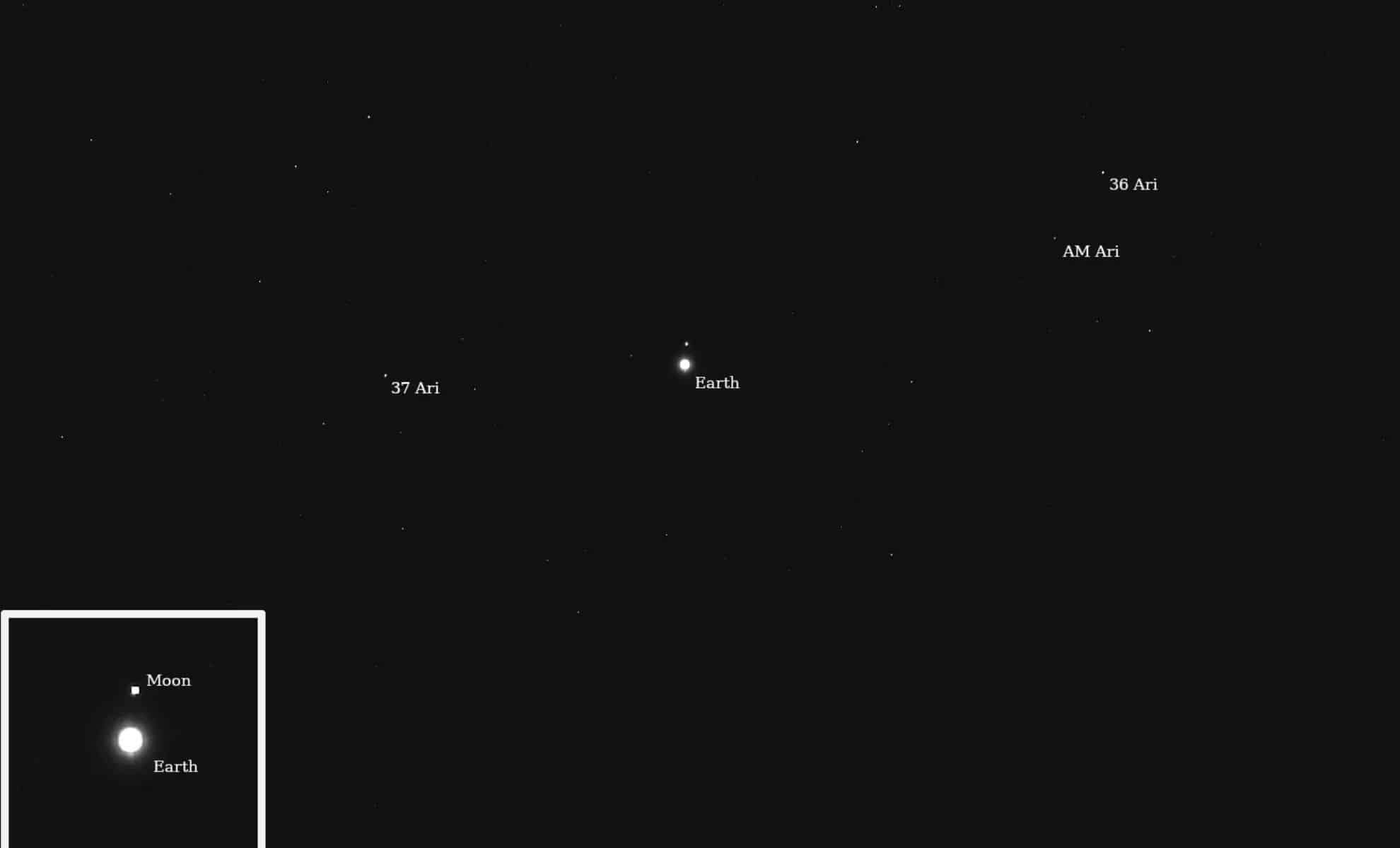
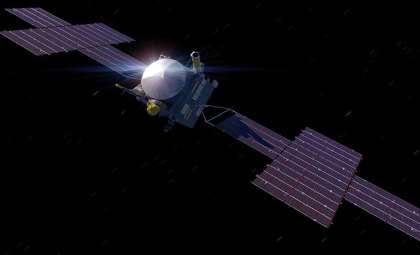
At an astonishing distance of almost 290 million kilometers, NASA’s Psyche spacecraft has captured a captivating view of Earth and its Moon, appearing as tiny points of light amid the stars in the Aries constellation. NASA reports that this celestial snapshot was taken during a planned instrument calibration while the spacecraft continues its voyage toward the asteroid Psyche.
Using Familiar Celestial Objects to Calibrate Cameras
These images, snapped on July 20 and 23, were produced by Psyche’s paired multispectral cameras, each featuring specialized filters and telescopic lenses to capture planetary surfaces across different light spectra. By focusing on familiar, sunlit bodies such as Earth and the Moon, the mission team can verify and monitor the cameras’ accuracy over time. The long-exposure shots, some lasting up to 10 seconds, are part of the routine instrument checkups conducted by the science team.
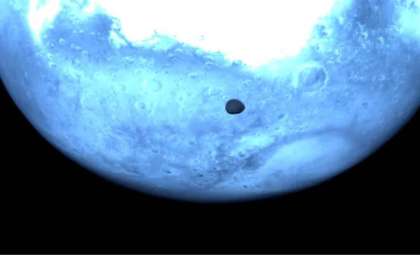
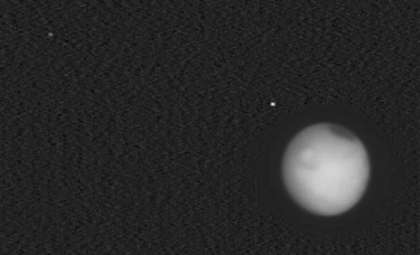
Earlier observations included Jupiter and Mars, with their reddish hues providing additional calibration references. Analyzing these datasets together helps ensure the instruments remain precisely tuned ahead of Psyche’s science phase.

Jim Bell, the lead for the imaging instruments at Arizona State University, emphasizes the mission’s continuing calibration efforts: “Next, we plan to capture images of Saturn or Vesta, extending our library of solar system 'trading cards' that help us validate our data processing.”
On Track to Explore a Metallic Asteroid Core
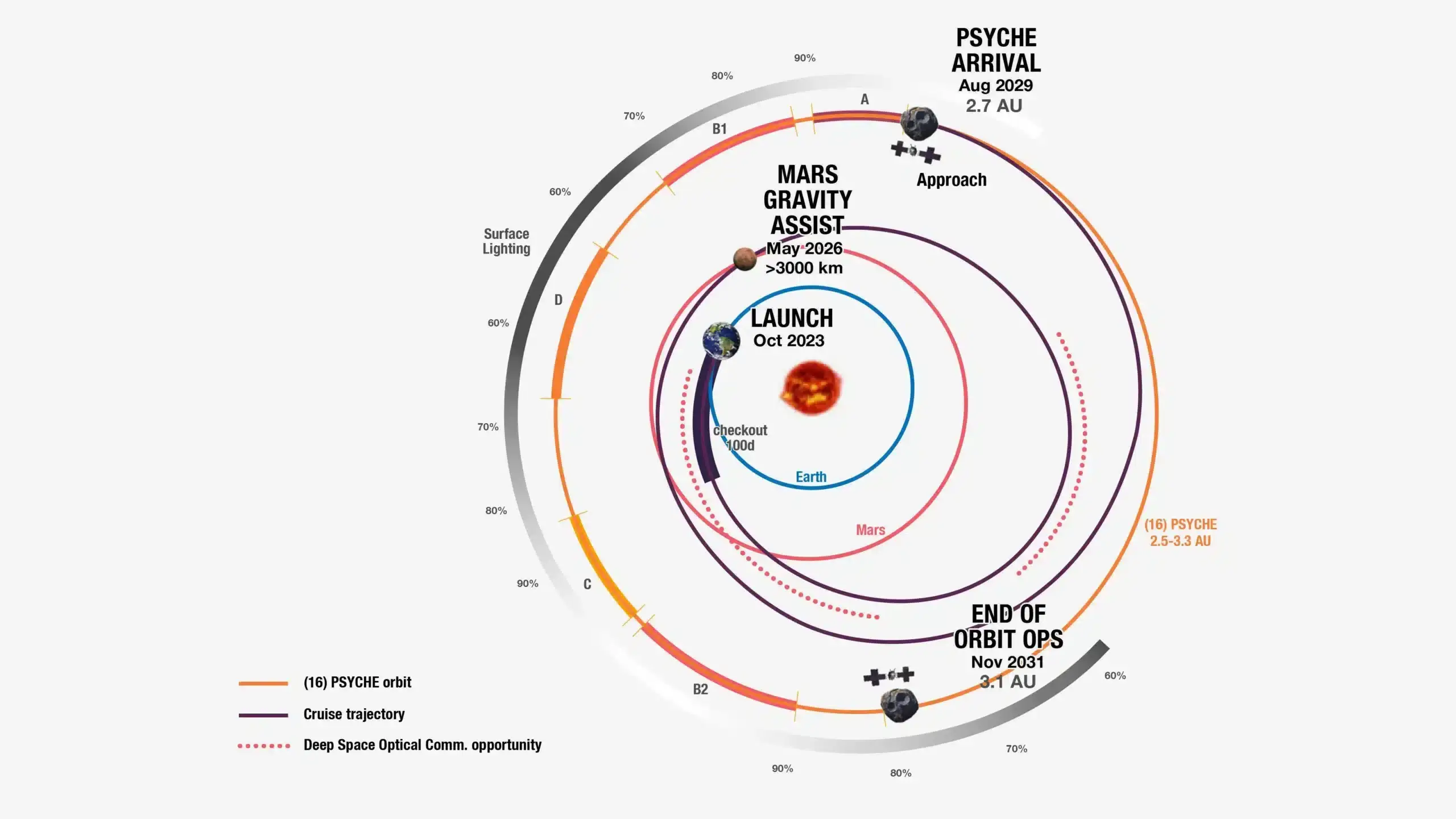
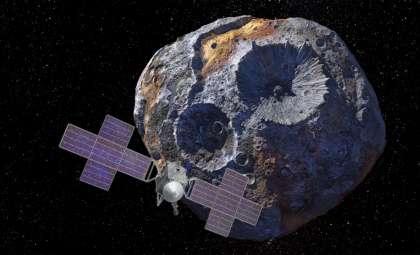
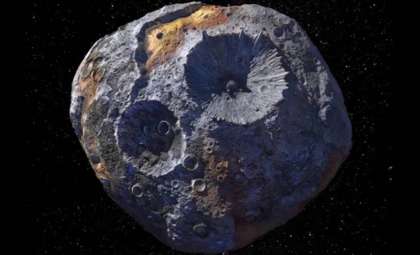
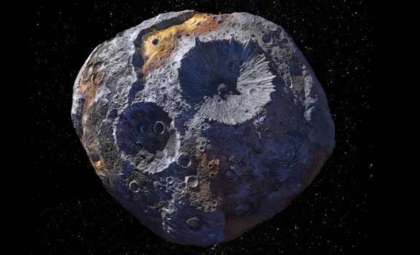
Since its launch from NASA’s Kennedy Space Center in October 2023, Psyche has been navigating a complex spiral path through the inner solar system, aiming for an extraordinary asteroid thought to be the exposed metallic core of a protoplanet that never fully formed. A planned gravity assist maneuver at Mars in May 2026 will boost Psyche's speed, setting it on course for a July 2029 arrival at the asteroid.
July’s instrument tests extended beyond cameras, including evaluations of the spacecraft’s magnetometer and gamma-ray and neutron spectrometer—critical tools for analyzing the asteroid’s material makeup. These biannual assessments ensure all systems remain in optimal condition during the spacecraft’s long cruise.
Unlocking the Secrets of Planetary Core Formation
The mission aims to shed light on how planetary bodies with metal cores, like Earth, came into existence. Orbiting between Mars and Jupiter, Psyche could offer insights into early solar system formation by revealing distinct spectral signatures indicative of its composition. Researchers hope to detect familiar patterns, such as the “bumps and wiggles” that characterize spectral data from the Moon and asteroid Vesta.
The imaging instruments, developed jointly by Arizona State University and Malin Space Science Systems, are specifically designed to capture detailed multi-wavelength views necessary to decode the asteroid’s surface features.

Advancing Deep Space Communication Technologies
Beyond its scientific objectives, the Psyche mission is pioneering next-generation space communication by successfully testing its optical data transmission system. This high-powered laser setup recently sent data—including a cat video—back to Earth, showcasing the potential for fast interplanetary internet connectivity that could transform communication with Mars and beyond.
With its instruments actively monitored and calibrated and a Mars flyby milestone looming, Psyche steadily advances toward its destination in the asteroid belt—the mysterious metallic relic of planetary history.
- Categories:
- News





0 comments
Sign in to Comment