
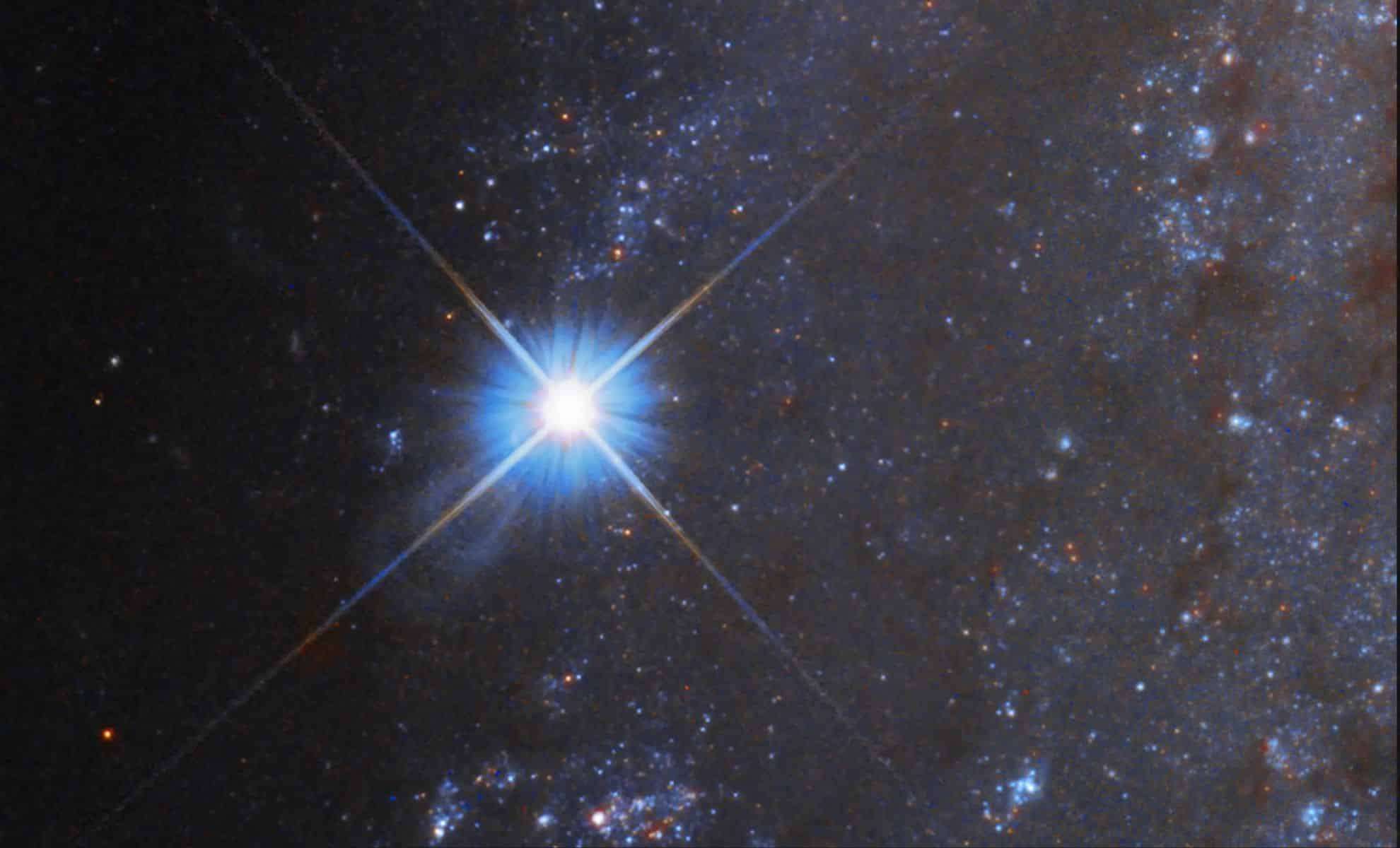
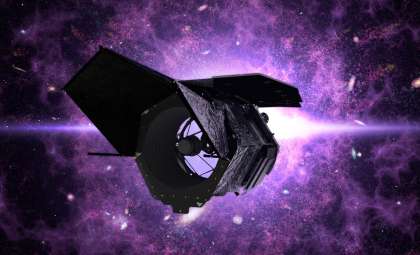
NASA’s upcoming Nancy Grace Roman Space Telescope, scheduled for launch by May 2027, aims to revolutionize our understanding of the universe’s growth. This mission will harness the power of Type Ia supernovae to map cosmic expansion in unprecedented detail. According to a recent NASA article, Roman will delve into some of the most profound cosmic secrets, including the elusive dark energy accelerating our universe’s expansion. Central to this effort is the High-Latitude Time-Domain Survey, which intends to capture tens of thousands of distant supernovae to provide vital insights into the cosmos’s past.
Roman Telescope’s Mission: Charting the Universe’s Growth
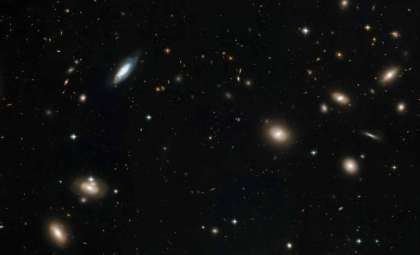
The heart of the High-Latitude Time-Domain Survey is to investigate the universe’s expansion timeline by studying Type Ia supernovae. These exploding stars serve as cosmic yardsticks due to their predictable brightness, helping astronomers measure distances accurately. Tracking how fast these supernovae recede will enable Roman to map how the universe’s expansion has evolved. Masao Sako, co-chair of the survey committee, explained, “Roman is set to find tens of thousands of Type Ia supernovae at distances never before reached. Their data will help us measure the universe’s expansion and the roles of dark matter and dark energy, deepening our understanding of the latter.” This effort promises to shed light on how dark energy fuels the universe’s accelerating growth.
Unlocking Dark Energy to Understand Accelerated Expansion
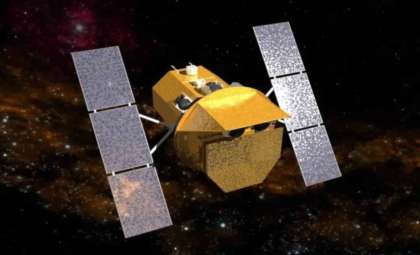
Roman’s unprecedented reach in detecting remote supernovae is essential to studying dark energy, the mysterious force propelling the universe’s accelerated expansion. Type Ia supernovae act as cosmological signposts, enabling precise measurements of cosmic distances and expansion rates. By collecting observations spanning vast epochs, Roman will critically evaluate models of dark energy’s evolving influence. Research from the Dark Energy Survey hints that dark energy may be decreasing in strength rather than remaining fixed. “These supernovae help us explore dark energy’s nature across immense distances and time frames,” added Sako. The findings could transform our grasp of the universe’s fundamental forces.

Detecting Cosmic Transients with Cutting-Edge Methods
The Roman Space Telescope will employ sophisticated techniques to spot transient phenomena—celestial objects whose brightness changes over time, such as supernovae and cosmic blasts. A key method is image subtraction. Sako described it: “To identify changing objects, we subtract static elements from images, leaving only new occurrences.” By comparing current images with earlier ones, Roman can uncover fleeting cosmic events in familiar regions. This approach will reveal rare, transient phenomena that deepen our understanding of the universe’s most dramatic processes.
Monitoring Cosmic Evolution Through Repeated Observations
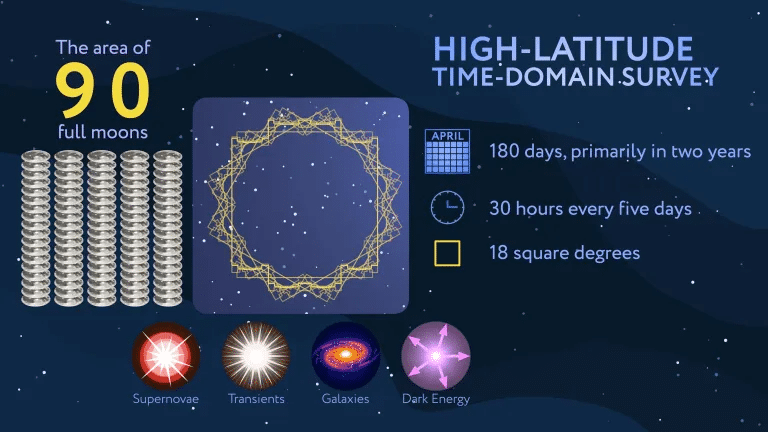
Roman’s capacity to revisit identical sky regions regularly is crucial for detecting subtle changes over time. The High-Latitude Time-Domain Survey will dedicate 180 days across five years to repeatedly observe select fields. At the core, it will image these regions every five days for two years, with additional scans early in the mission to establish reference baselines. This cadence is vital for spotting faint transient sources that single visits might miss. Capturing these elusive events will yield unparalleled data about the universe’s early epochs, helping reconstruct its history.
Collaborating with Subaru Observatory for Spectroscopic Insights
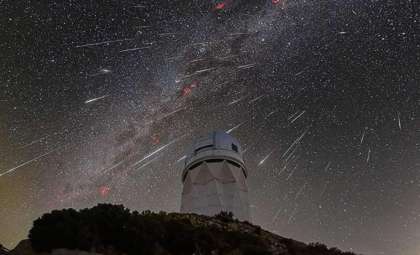
Spectroscopic follow-ups are integral to the High-Latitude Time-Domain Survey. NASA’s Roman Telescope partners with the Subaru Observatory in Hawaii to conduct detailed spectroscopic observations. Brad Cenko, co-chair of the survey committee, noted, “Subaru will handle northern sky spectroscopy while Roman focuses on the southern sky.” Spectroscopy enables precise classification of supernovae and other transient phenomena, clarifying their properties and cosmic significance. This synergy enhances Roman’s capability by complementing its data with high-quality ground-based observations.
Exploring the Universe’s Early Era Through Rare Cosmic Events
Among Roman’s most exciting features is its capacity to examine events stretching back 11 billion years. The High-Latitude Time-Domain Survey targets both recent and ancient supernovae, spanning a vast window of cosmic history. Roman surpasses ground-based telescopes limited by Earth’s atmosphere, offering clearer views of distant phenomena. Cenko elaborated, “Observing over the entire five-year mission allows us to catch exceptionally rare, far-flung events only accessible through such long-term monitoring. These findings provide vital clues about early universe conditions.” This extended survey will unlock secrets from the universe’s formative times.
Roman’s Comprehensive Survey to Illuminate Cosmic Structures
With its three primary community surveys, including the High-Latitude Time-Domain Survey, the Roman Space Telescope will deliver high-fidelity cosmic maps. It will observe a wide array of phenomena—from stellar explosions to supermassive black holes—through its vast field of view and sensitive instruments. Covering large sky areas across both hemispheres, Roman will detect rare distant events that have eluded previous studies. This extensive exploration aims to deepen our understanding of the universe’s architecture and dynamic evolution.
- Categories:
- News




0 comments
Sign in to Comment