
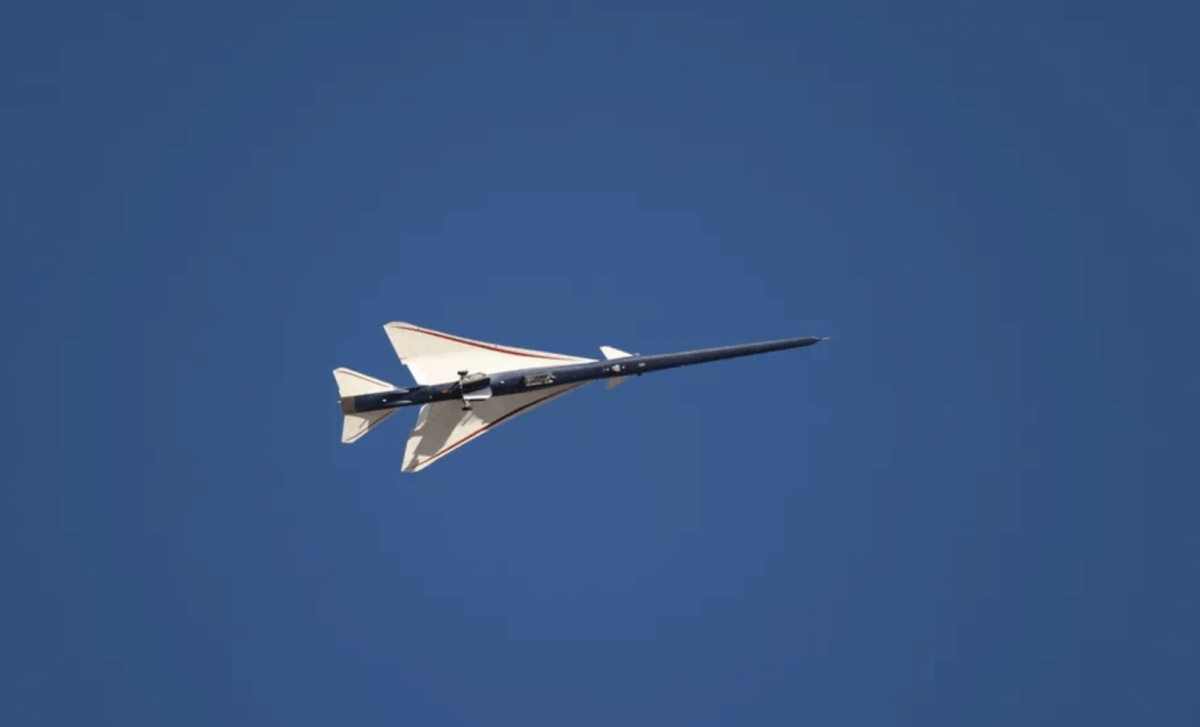
On October 29, 2025, NASA’s groundbreaking X-59 quiet supersonic aircraft completed its inaugural flight over California’s Mojave Desert, departing from Palmdale Regional Airport. This cutting-edge plane, created through a partnership between NASA and Lockheed Martin, aims to surpass the speed of sound without generating the loud sonic booms that previously restricted supersonic travel over populated areas. This milestone flight marks a significant advance toward making supersonic flights over land a future reality.
Transforming Aviation with Low-Noise Supersonic Technology
The X-59 is far more than a traditional supersonic plane. It symbolizes a leap forward in quieter, faster air travel, potentially changing commercial aviation forever. Historically, sonic booms—loud shock waves produced when breaking the sound barrier—have led to tight regulations preventing supersonic flights over cities across the US.
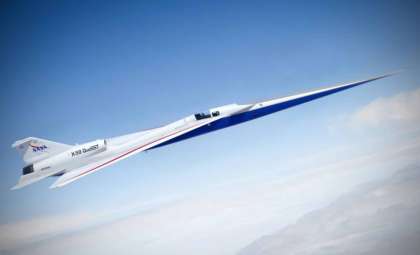
The distinctive design of the X-59, featuring an elongated sleek fuselage, drastically reduces shock waves during supersonic flight. This innovation allows the aircraft to exceed the speed of sound while producing a much softer "thump" instead of the disruptive sonic boom. NASA and Lockheed Martin hope that showcasing the X-59’s quiet supersonic capabilities will eventually lead to loosening current flight restrictions over inhabited areas.

This test flight represents a pivotal moment. If successful, this breakthrough could usher in commercial supersonic flights that do not disturb people on the ground, radically cutting travel times on long-haul routes worldwide and reshaping the future of air travel.
Following the Maiden Flight: A Moment Captured in Real Time
During the X-59’s landmark flight, avid plane spotters and aviation specialists tracked the jet extensively. Reports from Space.com and the flight tracking platform Flightradar24 showed that anyone with access to tracking tools could observe the plane's trajectory. Taking off from Palmdale, the aircraft followed a carefully planned 'racetrack' route over Edwards Air Force Base, with both enthusiasts and scientific observers keeping close watch.
These digital tracking services brought an unprecedented level of transparency to the event, giving the public a chance to witness this significant advancement in aerospace engineering unfold in real time. The flight combined technological achievement with wider accessibility through open data platforms.
Beyond Speed: Expanding the Horizons of Supersonic Flight
While reducing sonic boom noise is the primary goal, the X-59’s technology holds exciting implications across multiple sectors reliant on rapid transport. Emergency response, medical logistics, and defense operations could all benefit tremendously from quieter supersonic speeds.
Consider medical emergencies where every moment matters: the ability to speed supplies and specialists supersonically without disturbing communities could save precious time. Likewise, faster aid delivery during disasters could enhance humanitarian relief efforts drastically.
For military missions requiring swift movement and subtle reconnaissance, the quiet supersonic speeds enabled by the X-59 may offer capabilities far surpassing conventional aircraft, providing strategic advantages in critical situations.
The Next Chapter in Commercial Aviation: Anticipating the Future
Upon confirming the success of the X-59, NASA hopes this breakthrough will pave the way for a new generation of commercial supersonic aircraft. Nowadays, supersonic flights over land remain prohibited due to the loud sonic booms they cause. Demonstrating quiet supersonic flight could relax these constraints and bring fast, efficient air travel closer to everyday use.
Such a development would drastically influence international travel, especially for long-distance routes. Envision traveling from New York to Tokyo in mere hours rather than the current 14-hour journey. Shorter flights could cut fuel consumption and environmental footprints, while also boosting global business by enabling quicker, seamless connectivity.
- Categories:
- News








0 comments
Sign in to Comment