
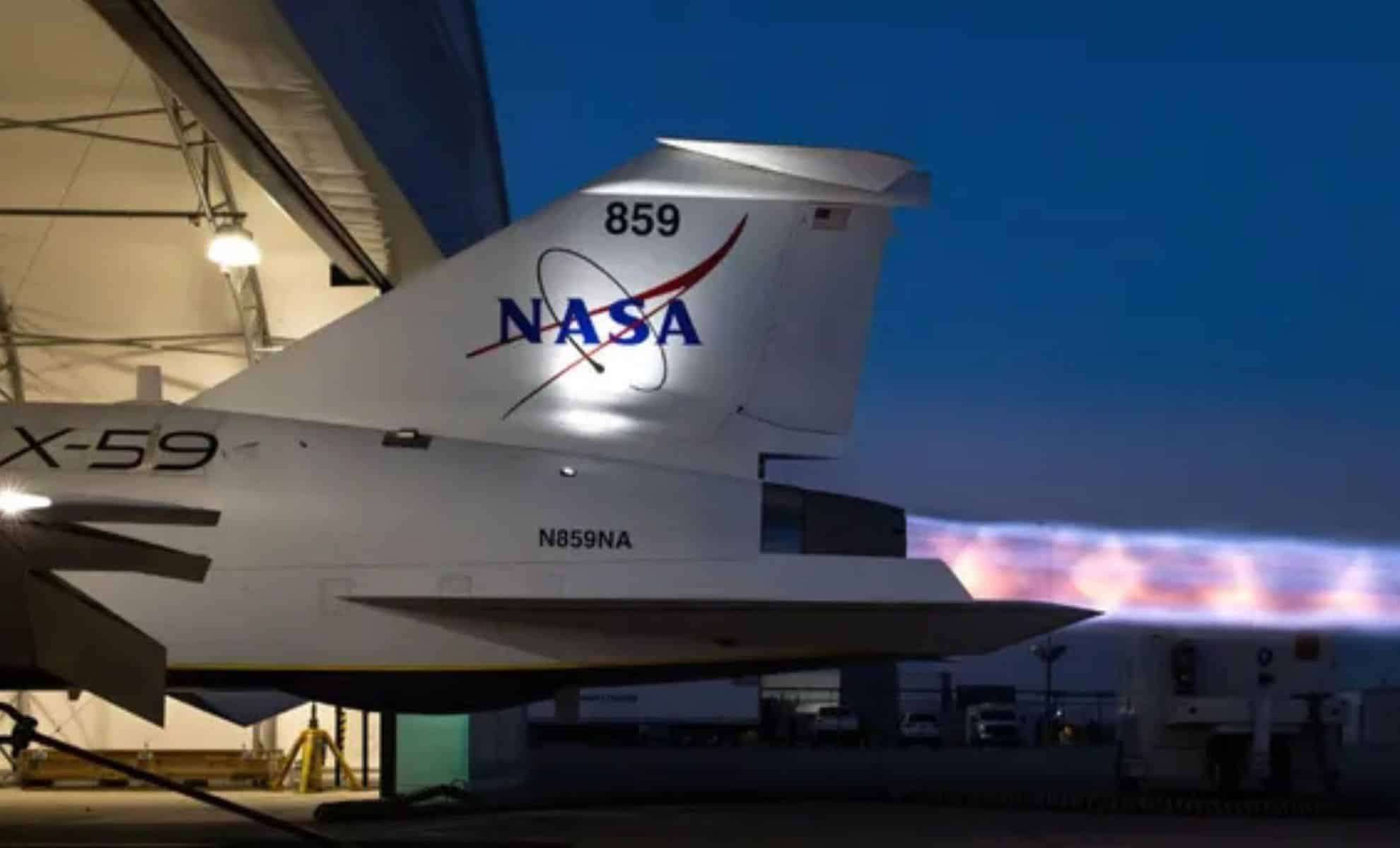
Developed jointly by NASA and Lockheed Martin’s elite Skunk Works team, the X-59 supersonic aircraft is set to transform the landscape of rapid air travel. As a core component of NASA’s Quesst (Quiet SuperSonic Technology) initiative, this aircraft targets the longstanding issue that has restricted supersonic flights over populated land areas: the disruptive sonic boom. The X-59 is uniquely designed to generate subtle "quiet thumps" instead, enabling fast, sonic-speed travel with minimal noise impact below.
The X-59 recently reached a significant achievement by successfully completing afterburner engine tests at Lockheed Martin’s Palmdale, California, facility. These trials confirmed the jet’s ability to fulfill its power requirements, moving the project closer to airborne testing. Engineered for supersonic speeds without the conventional loud sonic booms, this jet holds promise for revolutionizing commercial flights and drastically reducing journey durations across continents.
Critical Afterburner Testing Milestone
The recent afterburner trials represent a vital milestone for the X-59 program. Afterburners operate by injecting extra fuel into the jet's exhaust, providing the necessary thrust to break the sound barrier. Powered by a General Electric F414-GE-100 engine—a specialized variant of the engine used in the Navy’s F/A-18 Super Hornet—the tests validated that the propulsion system performs within essential temperature and airflow limits required for supersonic flight.

Beyond engine performance, these assessments examined how well the propulsion integrates with the X-59’s aerodynamic form and its advanced shockwave control technologies. Successfully clearing these hurdles confirms the aircraft’s readiness to progress from ground validation to airborne evaluations. As Lockheed Martin recently stated, “The X-59—precision, power, and engineering excellence, all on full display.”
The afterburner evaluations highlighted not only the jet's technical prowess but also strengthened confidence in its capacity to redefine aviation’s future. This accomplishment reflects years of precise engineering, advancing NASA’s pursuit of quiet supersonic travel that could one day restore overland supersonic routes.
Engineering a Sound-Reduced Supersonic Flight
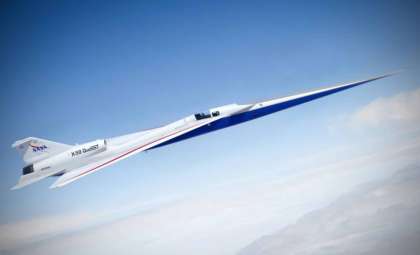
Since the 1970s, supersonic flights over populated land have been banned due to the disruptive noise of sonic booms. The X-59 counters this by featuring a streamlined, elongated body that minimizes shockwave intensity. This innovative design redirects sound waves to transform the typical thunderous sonic boom into a gentle “thump,” reducing disturbance for communities beneath the flight path.
NASA’s Quesst initiative will soon conduct flight tests over selected U.S. neighborhoods, gathering vital data on how the public perceives the reduced noise levels. Insights from these flights will aid regulators in deciding whether to permit supersonic travel over land once more. Success could usher in an era where commercial flights cross continents in record times, slashing current long-haul flight durations significantly.
X-59 Overview
Wide-Ranging Effects on Commercial and Aerospace Fields
The X-59 program promises transformative effects beyond scientific breakthroughs, extending into commercial aviation. By proving quiet supersonic flight is attainable, NASA is charting a course toward faster global travel that is environmentally and socially sustainable. Imagine journeys such as New York to Los Angeles in less than two hours, all without imposing noise pollution on communities below.
This technology could also influence future military jets, cargo aircraft, and even spaceplane development, by improving management of shockwave interactions with the atmosphere. NASA’s innovations in this realm continue to expand aerospace engineering’s frontier.
Public acceptance remains crucial, and NASA’s data collection from flight tests aims to showcase supersonic travel’s viability and community friendliness. Positive reception could revolutionize aviation regulations and reopen skies to supersonic commercial flights within populated regions after decades-long restrictions.
The Dawn of a New Supersonic Age
The X-59 exemplifies a significant leap toward redefining air travel. Tackling the sonic boom challenge, NASA and Lockheed Martin are establishing a foundation for high-speed flights that balance speed, efficiency, and environmental care. Beyond faster trips, advances in aerodynamics, propulsion, and shockwave control inspired by the X-59 will likely have far-reaching impacts across the aviation industry.
As the X-59 nears its inaugural airborne tests, anticipation is growing for the groundbreaking technologies it showcases. Whether as a state-of-the-art test platform or the forerunner of future supersonic passenger jets, the X-59 stands ready to reshape our concept of flight. Its recent progress marks a crucial step toward making quiet, rapid flight a practical reality.
- Categories:
- News







0 comments
Sign in to Comment