
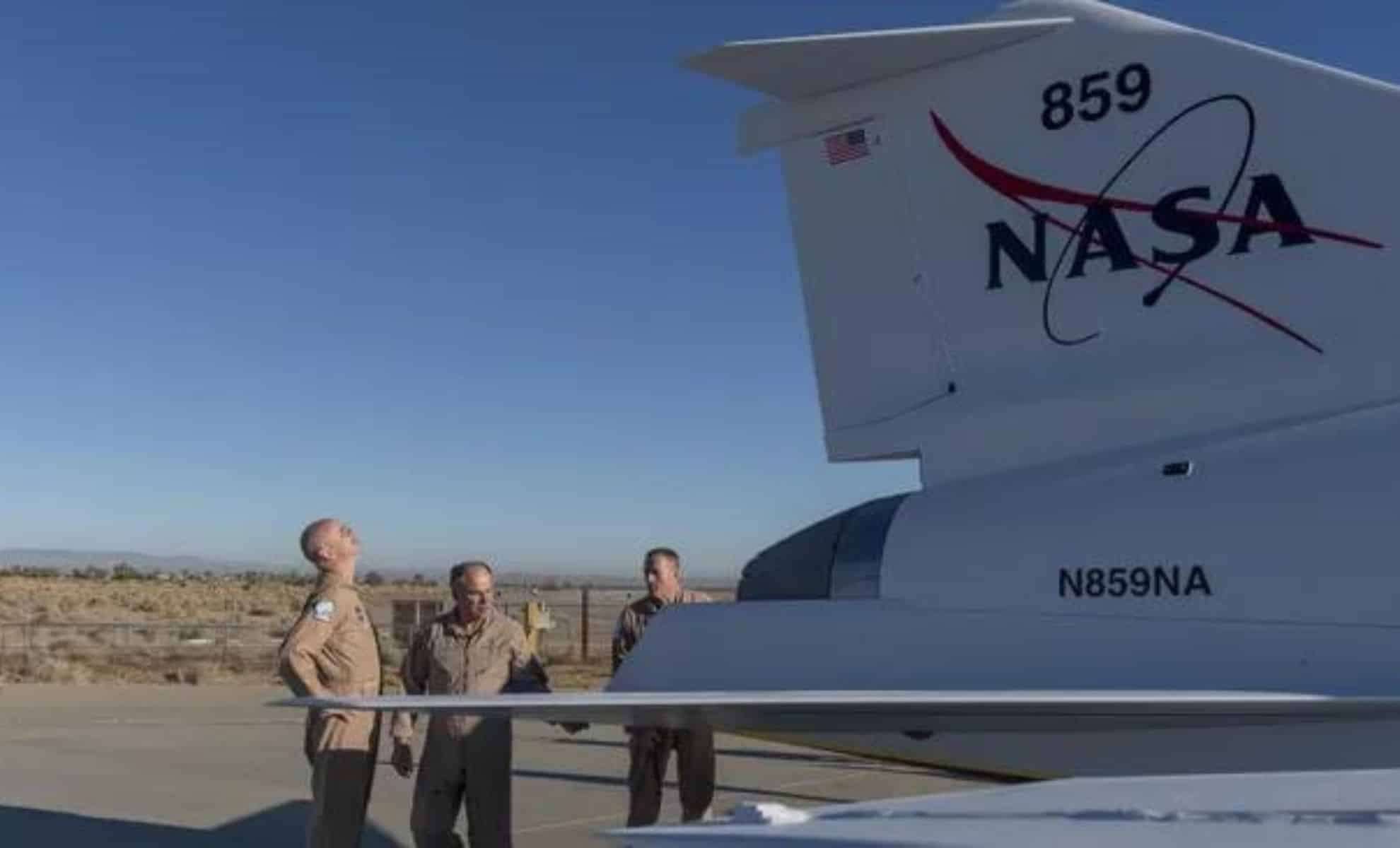
NASA's cutting-edge X-59 supersonic aircraft has successfully passed its Flight Readiness Review, signaling a vital step forward on its path to the inaugural flight. This evaluation, carried out by an independent panel of NASA specialists, scrutinized the safety precautions and risk assessments prepared by the development team.
Approval from the review confirms that all safety requirements have been thoroughly met, ensuring protection for both the public and personnel during the upcoming ground and flight evaluations. This achievement underscores the project's meticulous preparation and offers key guidance for upcoming project phases.
Innovative Design and Mission Objectives
The X-59, created in partnership with Lockheed Martin, boasts a novel design designed to soften the typical sonic boom made by supersonic planes. The jet stretches nearly 100 feet in length, featuring a pointed nose measuring 38 feet, crafted to emit a gentler “thump” sound instead of the disruptive booms.

This design is fundamental to NASA’s Quesst mission, which seeks to break through long-standing restrictions on supersonic flights over land caused by noise pollution. By lowering the sonic boom intensity, the X-59 aims to prove that quieter supersonic travel is achievable, potentially transforming air travel with faster flight times.
Upcoming Evaluations: Airworthiness and Flight Safety
After clearing the Flight Readiness Review, the project moves into the Airworthiness and Flight Safety Review. This stage will critique how the team has addressed recommendations from the initial review to ensure all safety risks are fully managed.
This phase involves a comprehensive technical and safety analysis to confirm the aircraft's readiness for flight. Prior to the first official flight, NASA authorities must grant an airworthiness certificate and flight authorization. This rigorous process guarantees that the X-59 meets strict performance and safety standards before takeoff.
Preparing for Rigorous Ground Testing
Alongside passing the Flight Readiness Review, the team is preparing for comprehensive ground testing, including system integrations, engine runs, and examining the impact of electromagnetic interference. These tests are crucial to confirm system performance and dependability under various conditions.
The X-59 integrates parts from multiple legacy aircraft, such as the landing gear sourced from an F-16 and life support elements adapted from an F-15. Combining proven technologies from different platforms is intended to improve reliability and overall operation. Ground tests will also help refine these systems and resolve any potential problems before flight trials commence.
NASA's Vision for Quieter Supersonic Flight
The primary goal of the Quesst mission is to prove that supersonic travel over populated land areas can be feasible without disruptive noise. Historically, loud sonic booms have prevented such flights due to their disturbance and potential damage.
NASA’s X-59 Quiet Supersonic Aircraft targets reducing the sonic boom's noise to a soft “thump,” minimizing disturbance on the ground. Success in this endeavor might lead to new regulations permitting commercial supersonic travel over land, revolutionizing air transport by enabling shorter flights and enhancing convenience.
Looking Ahead: The Future of Supersonic Aviation
With the Flight Readiness Review successfully completed, the X-59 is on track to become a milestone in aviation progress. The upcoming testing and approvals will be crucial to confirm flight readiness and could usher in a new chapter for supersonic air travel.
Beyond faster journeys, this technology could open doors for advancements in commercial flying, business travel, and tourism. By overcoming the sonic boom limitation, the X-59 holds the potential to unlock new routes and markets previously hindered by noise restrictions.
As the program advances, aviation experts and industry leaders will closely monitor its results, eager to see whether this high-tech aircraft can fulfill its promise and transform the future landscape of air travel.









0 comments
Sign in to Comment