
A newly identified small reptile from the United States is providing crucial insights into a group that coexisted with dinosaurs yet nearly vanished from the fossil record. The species, Opisthiamimus gregori, is remarkable for its exceptionally preserved, nearly complete fossil specimen.
This discovery is particularly noteworthy because it belongs to the rhynchocephalians, often referred to as ‘living fossils’ due to being the sole survivors of a lineage that flourished over 240 million years ago. Today, the only living representative is the tuatara from New Zealand, but back in their heyday, these reptiles were far more diverse and widespread.
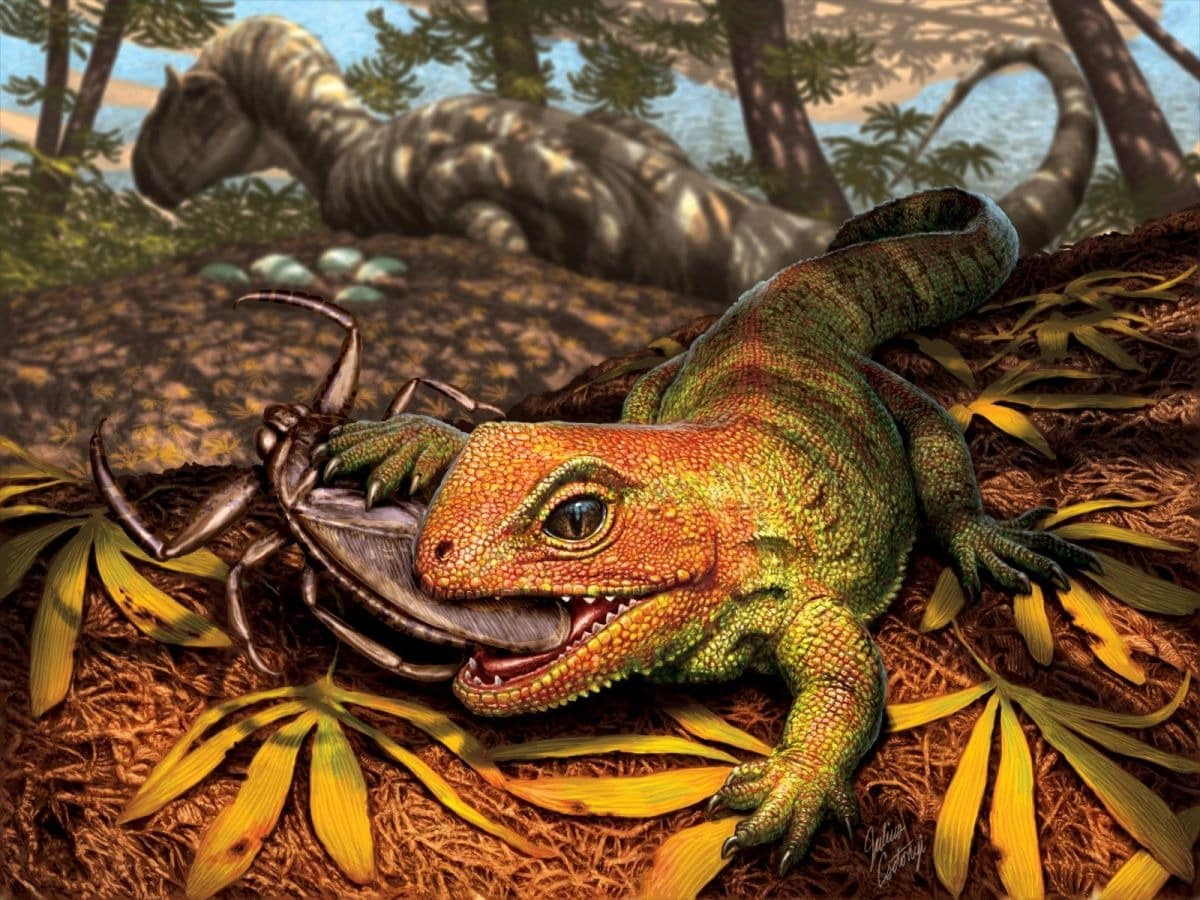
Rhynchocephalians diverged from the ancestors of lizards and snakes roughly 230 million years ago. During the Jurassic period, they played various ecological roles. According to research published in the Journal of Systematic Palaeontology, some species fed on fish, others consumed plants, and the newly described creature likely fed on insects.

Discovery Adjacent to a Dinosaur Nest
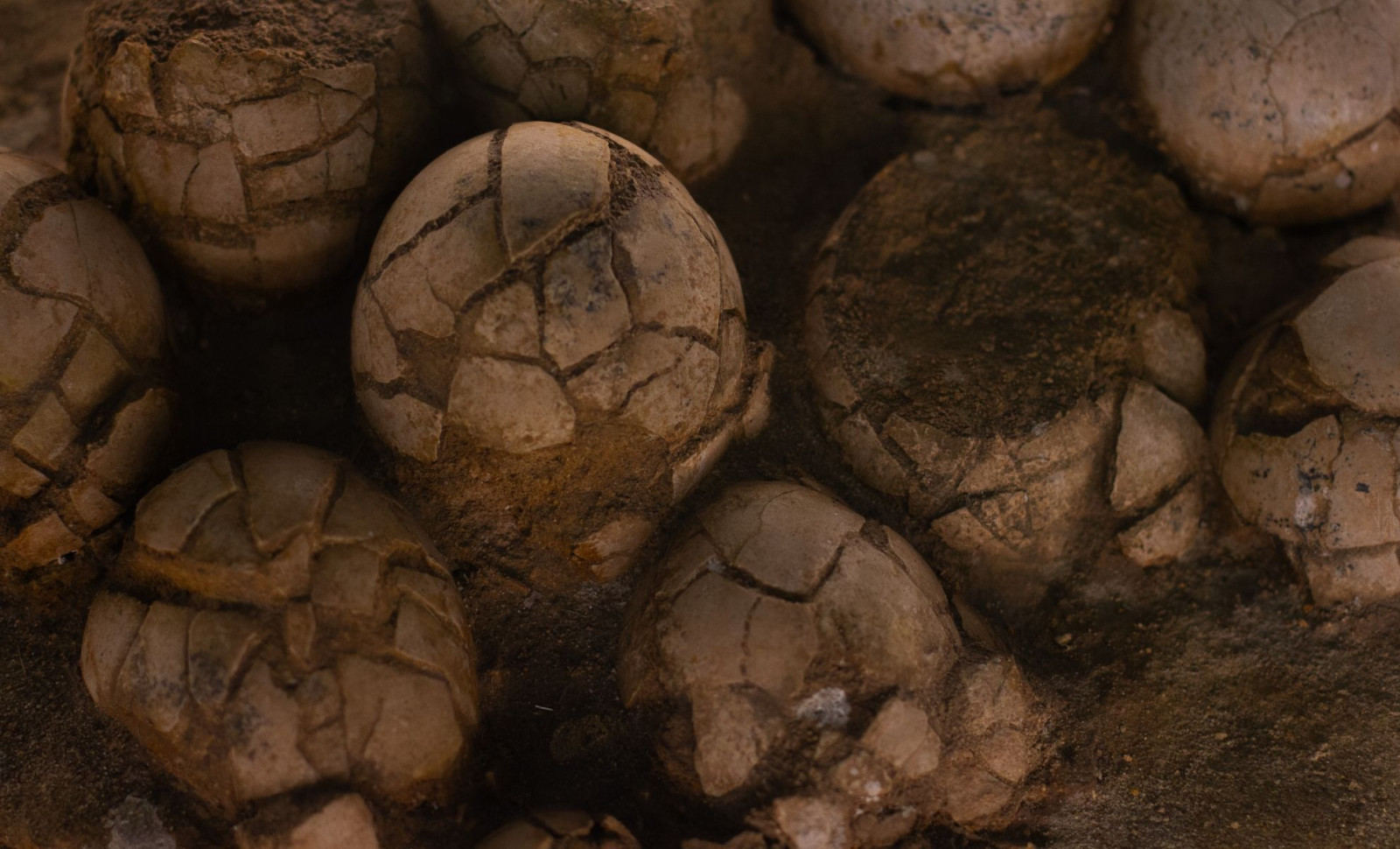
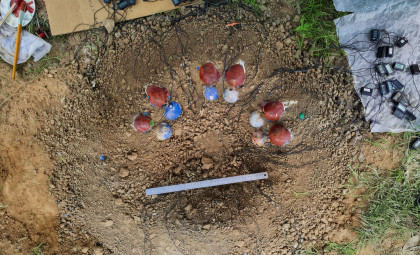
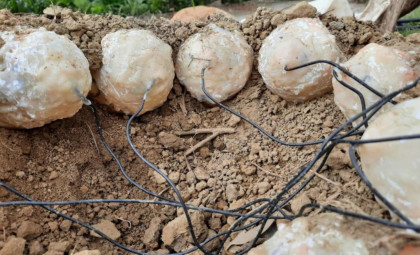
The fossils emerged from Wyoming’s Morrison Formation, a renowned dinosaur fossil site. These remains were found close to a nest belonging to the Jurassic predator Allosaurus.
The proximity to this dinosaur nest was an unexpected detail, but the fossil’s preservation remains the real standout. Whereas most rhynchocephalian fossils consist of tiny fragments, multiple specimens were recovered here, including one nearly complete skeleton lacking only portions of the tail and hind limbs.
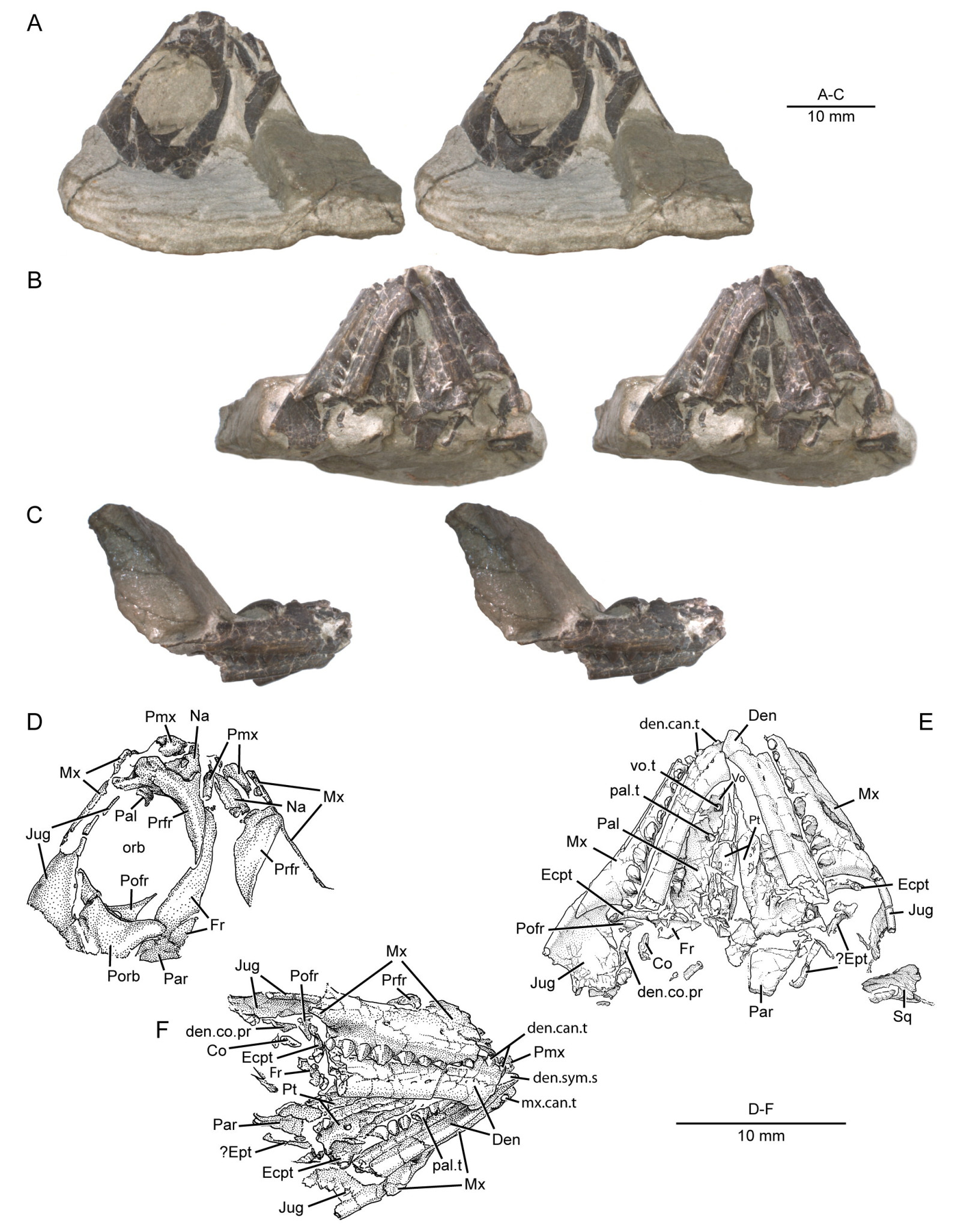
Information from the Smithsonian Institution emphasizes how uncommon it is to find such well-preserved specimens of this group. To analyze the fossil thoroughly, researchers utilized micro-CT scanning at three separate facilities, producing a high-resolution 3D model of the skeleton. The creature measured approximately 16 centimeters in length, indicating it was fairly small.
“Such a complete specimen has huge potential for making comparisons with fossils collected in the future and for identifying or reclassifying specimens already sitting in a museum drawer somewhere,” research associate David DeMar Jr. explained. “With the 3D models we have, at some point we could also do studies that use software to look at this critter’s jaw mechanics.”
A Unique Adaptation for Feeding
The study published in the journal analyzes the skull and teeth, suggesting Opisthiamimus gregori primarily consumed insects. It may have been capable of eating harder prey like beetles, supported by the structure of its teeth.
“Rhynchocephalians are largely known from fragmentary fossils of their teeth and jaws,” noted Smithsonian National Museum of Natural History paleontologist Matthew Carrano.“Opisthiamimus was likely an insectivore with the ability to chew through fairly resistant foods like insect exoskeletons.”
Distinctively, rhynchocephalian teeth are fused directly to the jawbone rather than being separate units. The living tuatara maintains this feature, along with a jaw movement that operates in a sawing motion.
This fossil offered an uncommon opportunity to examine these characteristics in detail. Although some skull parts were deformed or displaced, the micro-CT imaging enabled researchers to reconstruct them accurately — a level of detail typically missing in partial fossils.
Unraveling the Mystery of Their Decline
Although rhynchocephalians thrived during the Jurassic, they eventually dwindled as squamates—lizards and snakes—rose to dominance. The reasons for their decline remain unclear. They possessed some survival advantages like long lifespans—up to a century in tuatara—and the capacity to endure colder climates, but none of these fully explain their near-extinction.
The research suggests this newly discovered species could aid scientists in more accurately categorizing other fragmented fossils. While it doesn’t solve the broader mystery of the group’s disappearance, it contributes valuable information to the ongoing investigation.
- Categories:
- Science




0 comments
Sign in to Comment