
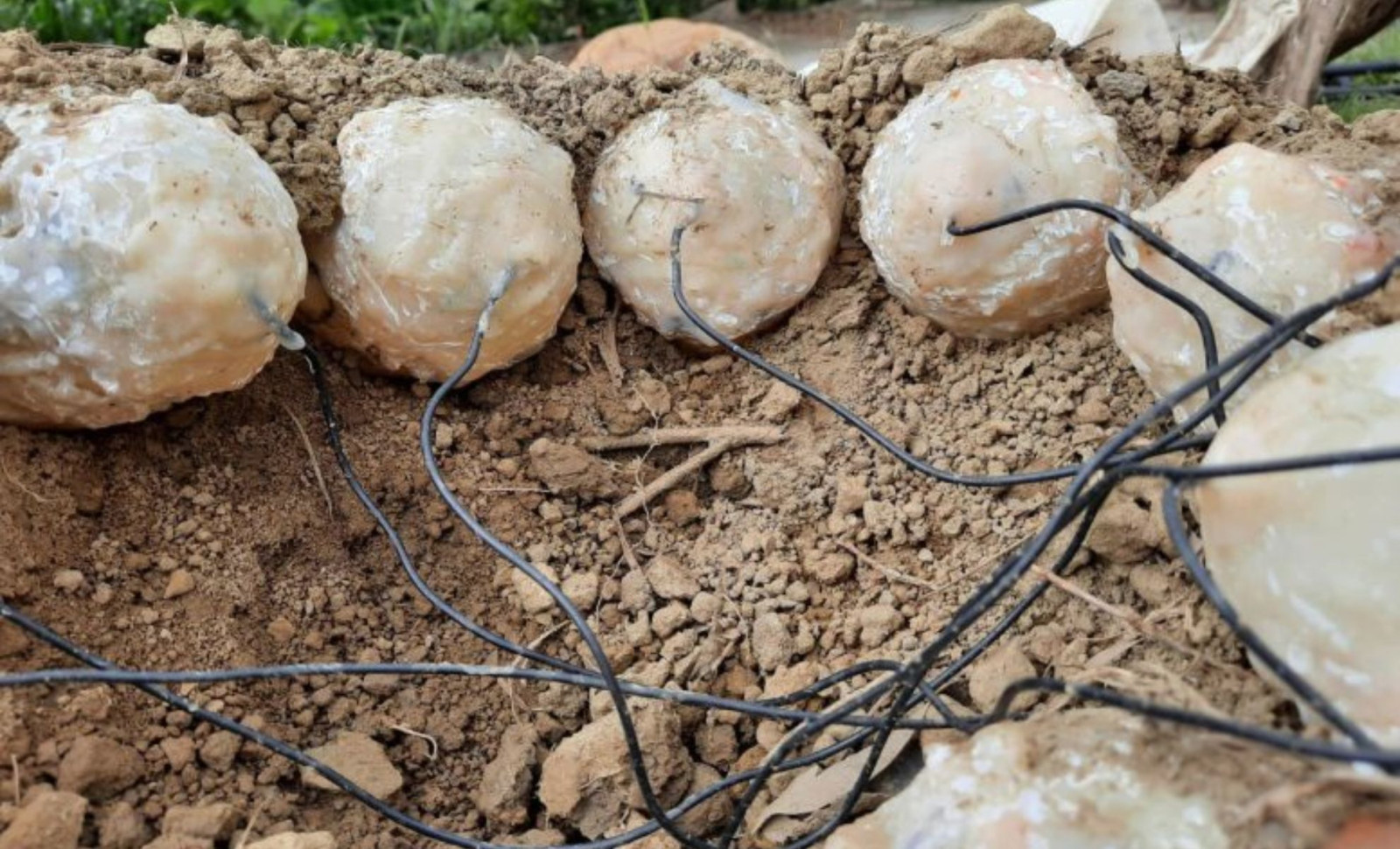
A team of scientists recently constructed a full-scale oviraptor nest to investigate how these prehistoric creatures incubated their eggs. Their findings challenged prior assumptions, revealing that oviraptors may have depended more on environmental warmth than on their own body heat to warm the eggs.
The research, detailed in Frontiers in Ecology and Evolution, aimed to determine if oviraptors kept their eggs warm similarly to modern birds or if they relied more on external heat sources like reptiles do. To explore this, Taiwanese scientists built a life-sized oviraptor and simulated heat transfer within the nest to better understand potential incubation patterns.
Innovative Approach to Deciphering Dinosaur Nesting
Oviraptors existed approximately 70 to 66 million years ago, but their nesting habits have remained uncertain. It was unclear whether these dinosaurs incubated eggs using body warmth like birds or if they leveraged environmental heat such as sunlight and heated soil, akin to reptiles. Due to scarce fossil data, scientists have largely speculated.

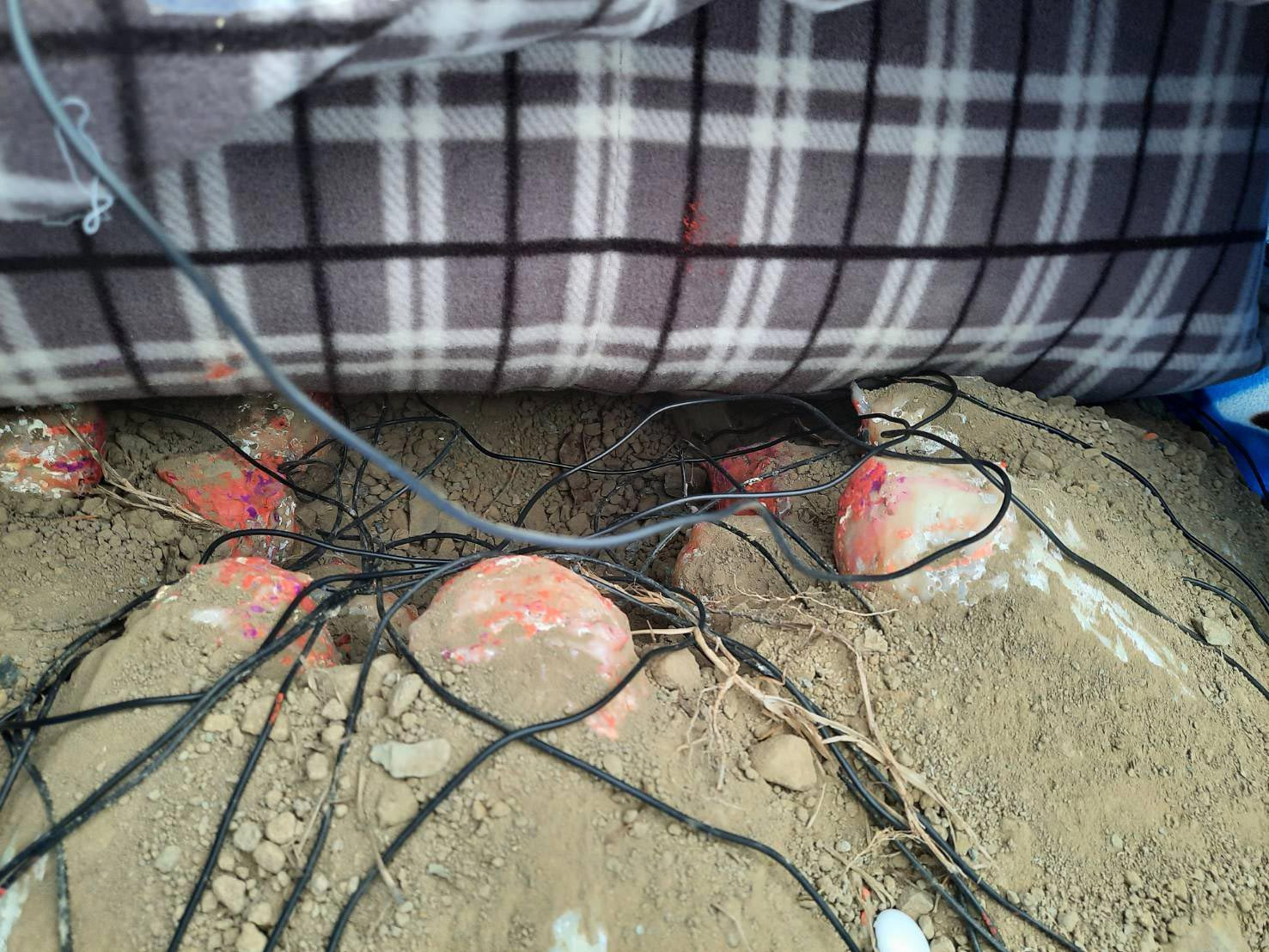
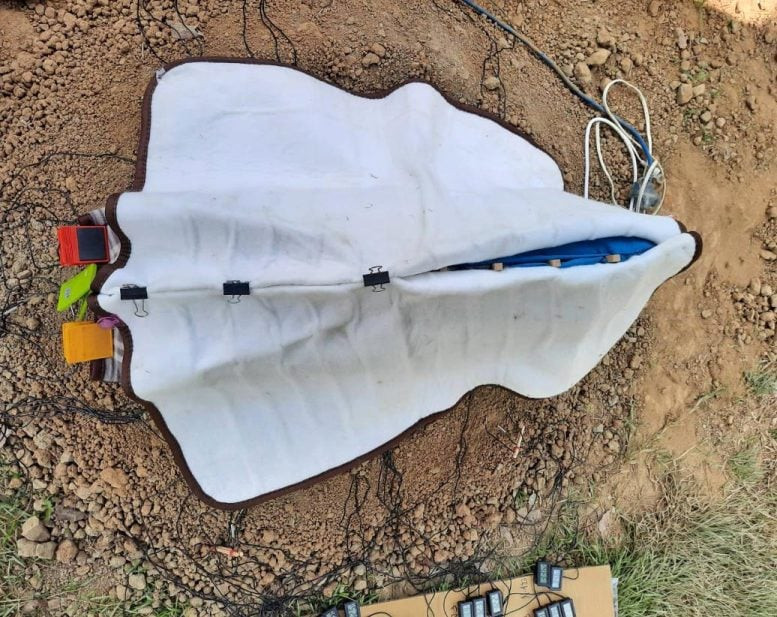
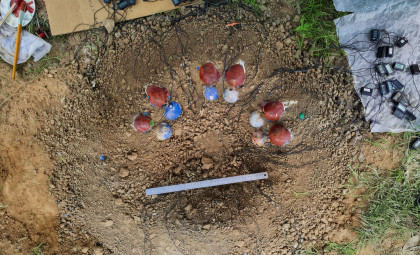
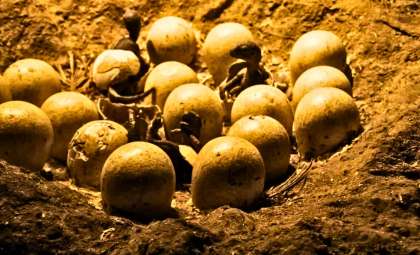
To address this, the team in Taiwan created a life-sized oviraptor model from foam, wood, and other materials to replicate the dinosaur's shape. They also reconstructed the nest, inspired by fossil nests showing multiple concentric rings of eggs.
Dr. Tzu-Ruei Yang, associate curator of vertebrate paleontology at Taiwan’s National Museum of Natural Science, explained:
“We show the difference in oviraptor hatching patterns was induced by the relative position of the incubating adult to the eggs.”
Exploring the Role of Heat in Egg Development
The research team analyzed how varying temperatures and the presence of a brooding adult affected the warming of eggs. According to the published study, colder environments resulted in eggs on the nest’s outer ring being up to 6°C cooler than those inside, potentially causing asynchronous hatching where eggs hatch at different times.
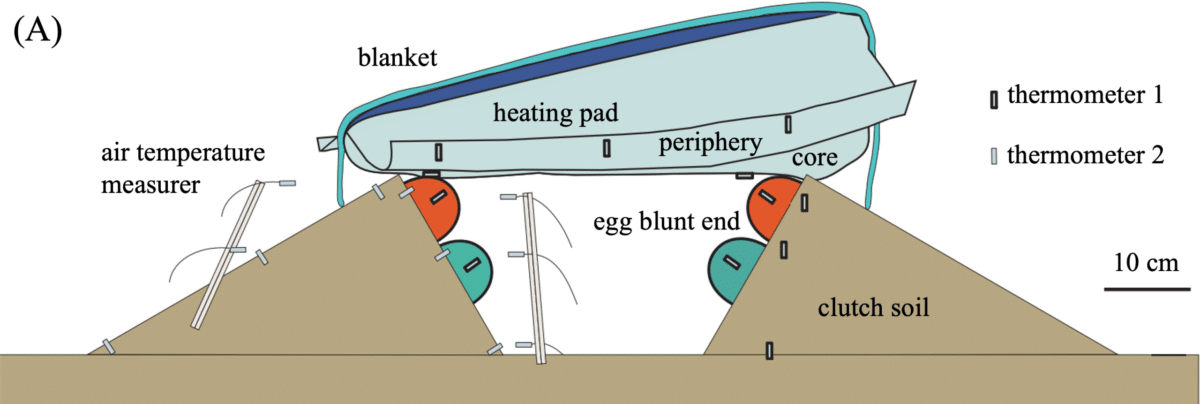
In contrast, warmer settings reduced temperature variation to about 0.6°C. Dr. Yang suggested that in such climates, oviraptors likely depended more heavily on solar or ground heat for incubation.
“It’s unlikely that large dinosaurs sat atop their clutches. Supposedly, they used the heat of the sun or soil to hatch their eggs, like turtles. Since oviraptor clutches are open to the air, heat from the sun likely mattered much more than heat from the soil.”
Incubation Inefficiency Compared to Modern Birds
The study highlights how dinosaur egg incubation diverged from the efficient method used by contemporary birds, known as thermoregulatory contact incubation (TCI), where parents sit directly on eggs to keep them warm. Oviraptors’ circular nests prevented direct contact with all eggs, making their incubation technique considerably less effective.
Findings indicate oviraptors utilized a combination of their own body heat and environmental warmth for incubation, a blend that didn’t match the efficiency of bird-style brooding.
“Oviraptors couldn’t incubate like birds do,” said first author Chun-Yu Su. “Instead, they used a mix of sunlight and their own warmth, which worked well for their environment.”
Were Dinosaur Parents More Like Birds or Reptiles?
By integrating physical modeling and thermal simulations, the researchers recreated environmental conditions that fossils alone could not reveal. Dr. Yang emphasized that no incubation method is superior and stated:
“Birds living today and oviraptors have a very different way of incubation or, more specifically, brooding. Nothing is better or worse. It just depends on the environment,” he concluded by saying: “There are no dinosaur fossils in Taiwan, but that does not mean that we cannot do dinosaur studies.”
- Categories:
- Science



0 comments
Sign in to Comment