
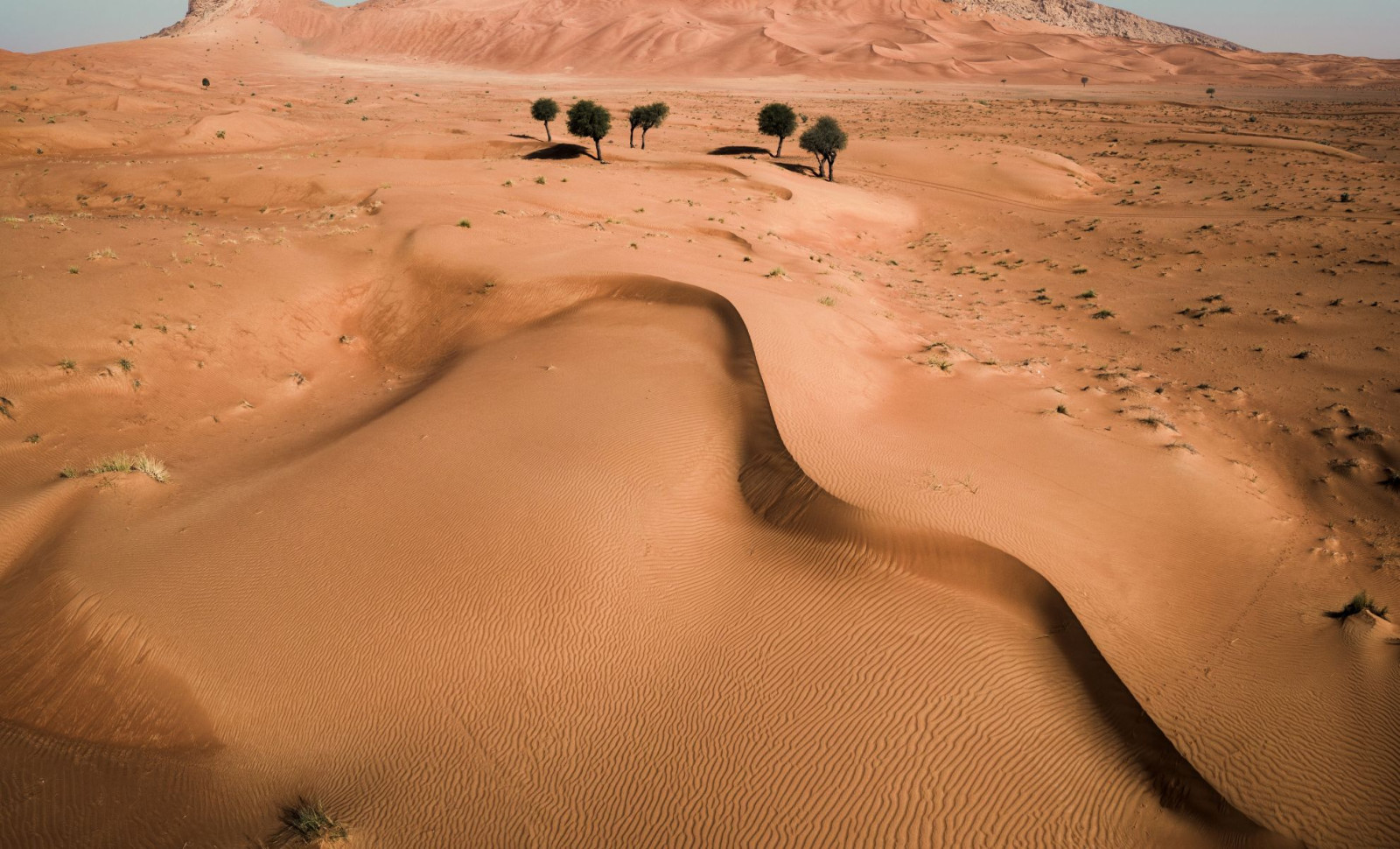
Researchers have uncovered a minuscule fossil in Mongolia’s Gobi Desert that represents a previously unknown species of primitive mammal dating back approximately 90 million years. This discovery is reshaping our understanding of the earliest ancestors of placental mammals.
Excavated in 2019 from the Bayanshiree Formation, a geological layer with scarce mammalian fossils compared to other regional sites, this rare find stands out in a field dominated by specimens from more extensively studied deposits.
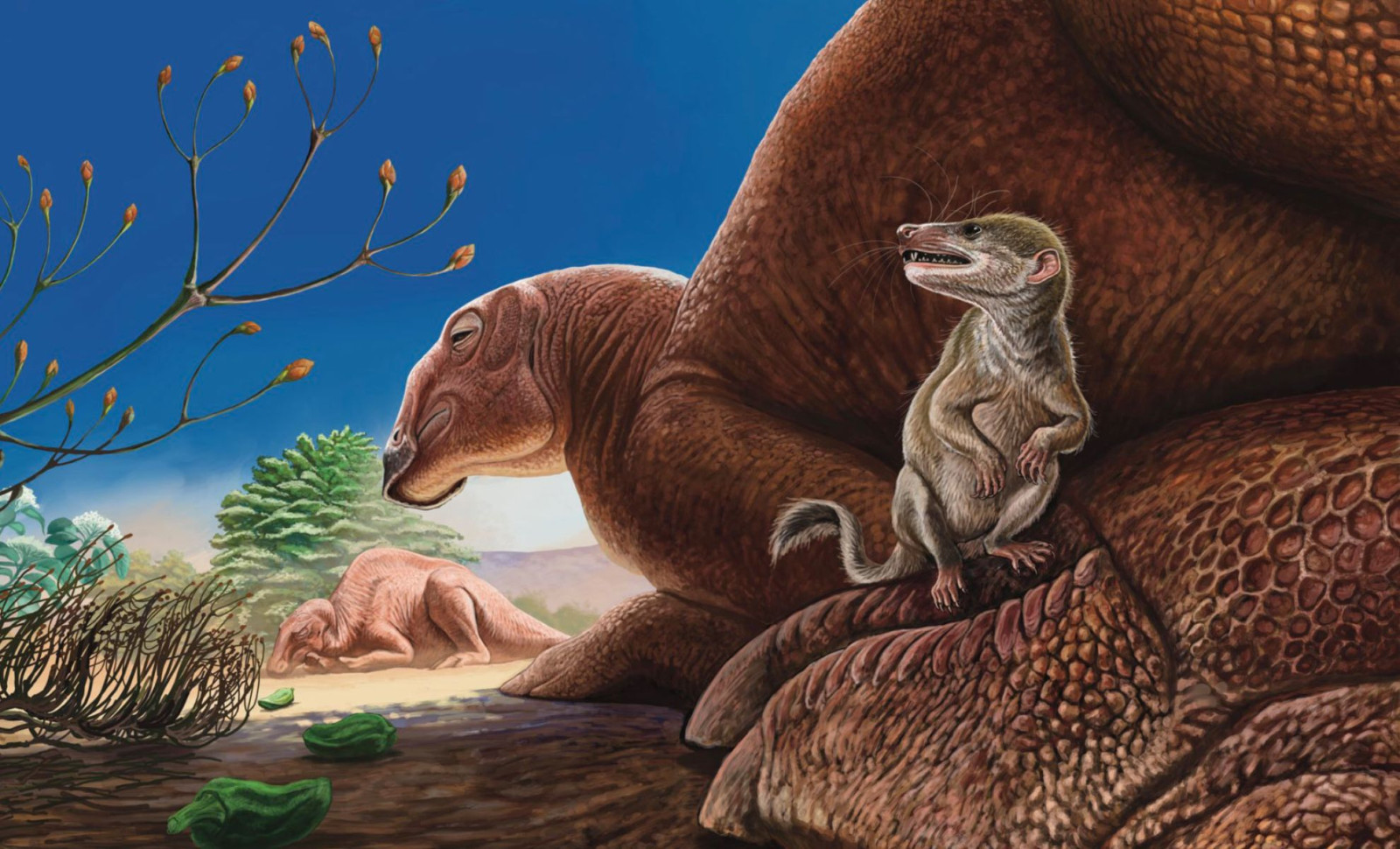
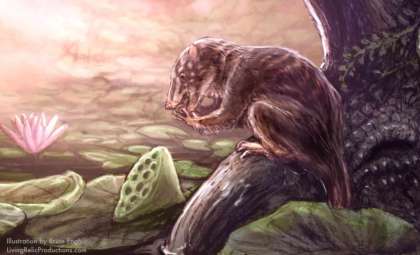
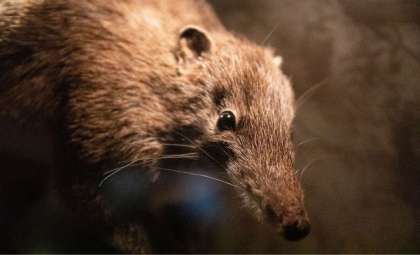
Dubbed Ravjaa ishiii, the creature is assigned to the Zhelestidae family—a lineage of early eutherian mammals that thrived during the Late Cretaceous. These small, mouse-sized mammals coexisted with dinosaurs, inhabiting ecological roles that scientists are still uncovering.

Small Fragment, Big Implications
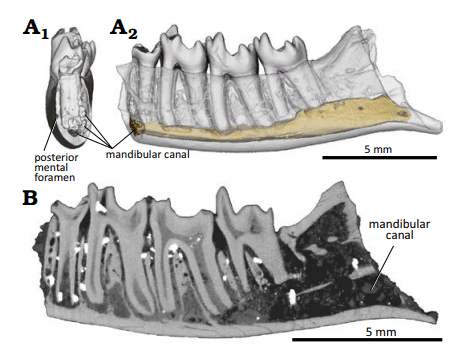
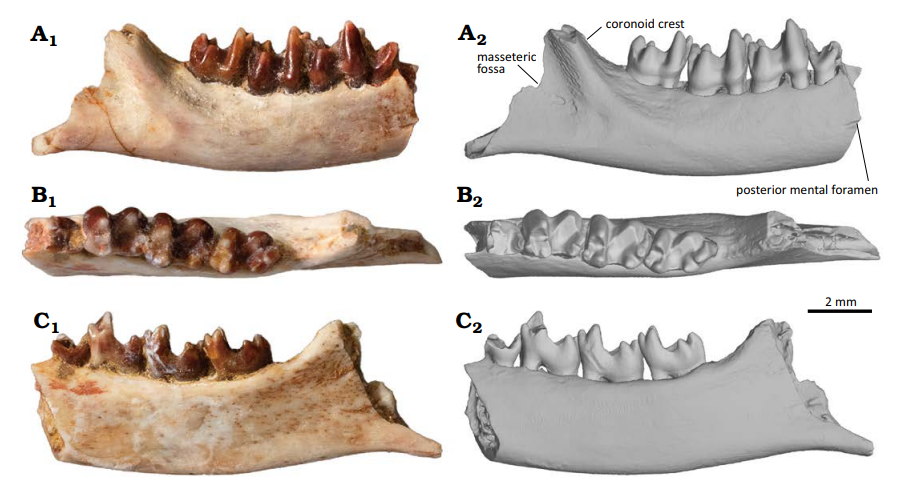
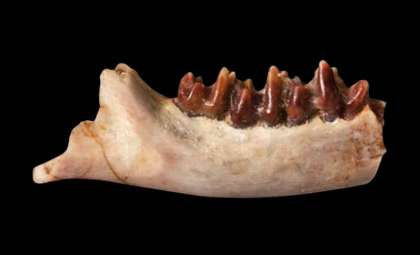
The fossil, though tiny—a 1-centimeter section of jawbone with part of a premolar and three molars intact—offers ample detail to establish a new genus and species, according to a report in Acta Palaeontologica Polonica. As explained by Tsukasa Okoshi and team:
“Numerous exquisitely preserved mammal fossils unearthed from Late Cretaceous layers in the Gobi Desert of Mongolia have played a key role in understanding Mesozoic mammalian evolution.”
The researchers pointed out that most of these finds originate from the Baruungoyot and Djadokhta formations, with only two fragmented mammalian fossils previously retrieved from the underlying Bayanshiree Formation.
Given this backdrop, the discovery seems almost serendipitous, especially since locating such a minuscule fossil in the expansive Gobi Desert is incredibly challenging, a fact the authors emphasize.
Unique Teeth Highlight Evolutionary Adaptations
The dental features of Ravjaa ishiii are particularly striking. The molars are exceptionally tall and sturdy, setting them apart from close relatives. The team remarked:
“Its unusually tall molars and distinctive jaw shape differ from known relatives,” which led them to establish a new genus and species. They add that “the robust nature of the molars resembles those of seed and fruit-eating mammals.”
The researchers suggest that early eutherians were already adapting to consume resources linked to the proliferation of flowering plants during the Cretaceous. Despite dinosaurs ruling the land, some mammals were quietly evolving new dietary strategies.
An Ancient Representative of Its Clade
Besides its anatomical features, the fossil has significant evolutionary weight. The researchers indicate that Ravjaa ishiii is the first zhelestid found in the Bayanshiree Formation and notably the first of its kind ever identified in Mongolia. They further explain that this species:
“potentially represents the oldest member among zhelestids or as old as the currently known oldest zhelestids collected in Uzbekistan.”
This points to the emergence of zhelestids around the boundary between the Early and Late Cretaceous periods. Professor Mototaka Saneyoshi of Okayama University of Science commented:
“Finding such a tiny fossil in the vast expanse of the Gobi Desert feels like a gift… it’s nothing short of miraculous.”
- Categories:
- Science


0 comments
Sign in to Comment