
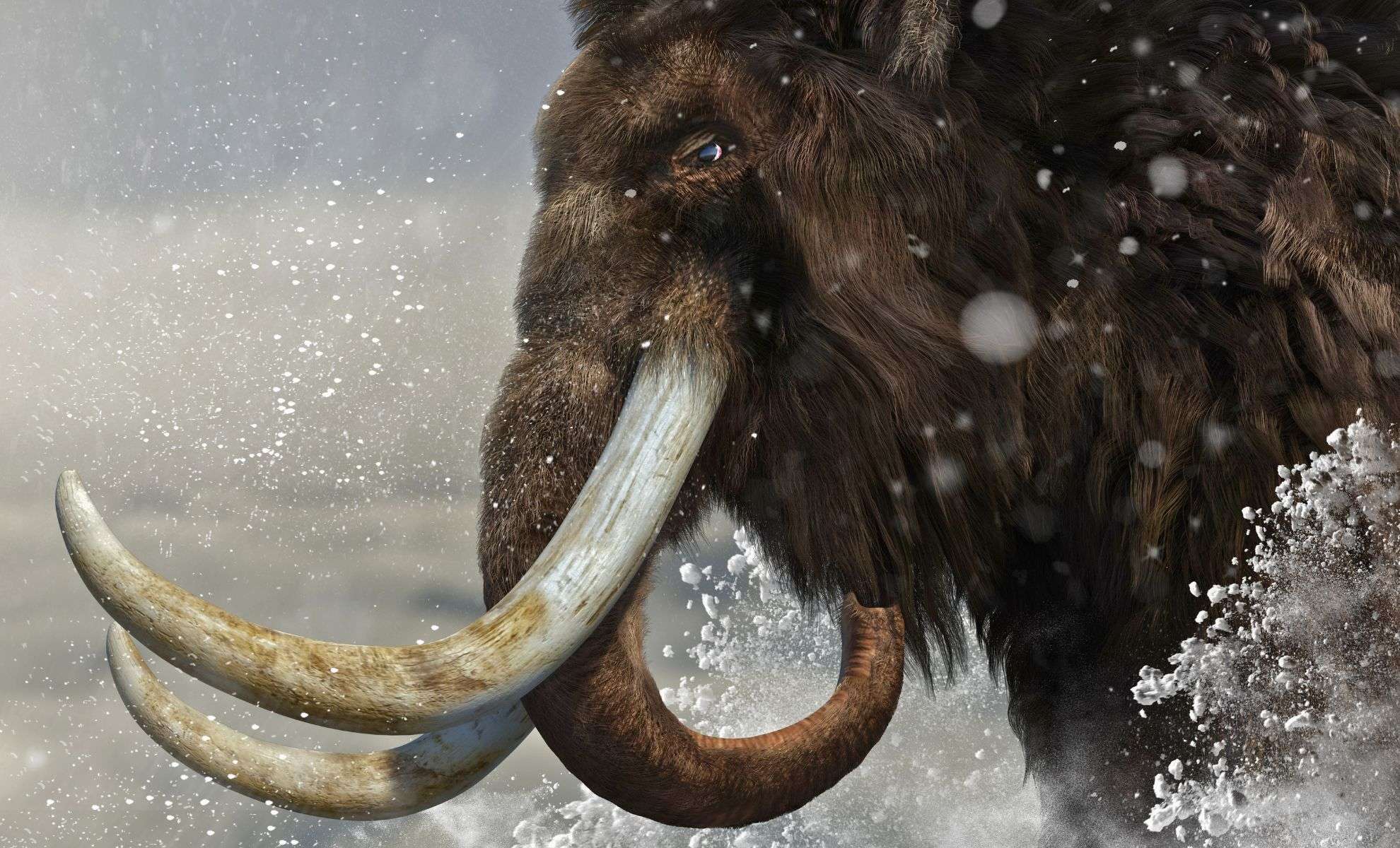
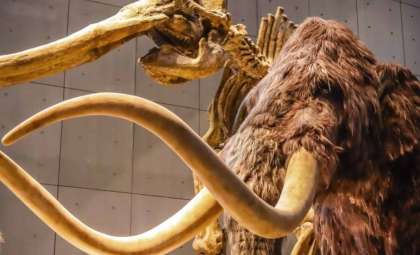
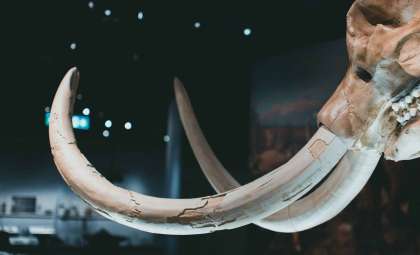
Recent fossil discoveries combined with genetic analysis reveal that woolly and Columbian mammoths were not isolated species during the Ice Age. Instead, these giants engaged in interbreeding for tens of thousands of years, resulting in hybrid populations that adapted to the continent's changing environments. Published in the journal Biology Letters, this research highlights the critical role hybridization played in mammoth evolution and their persistence.
Surprising Interactions in Ancient Ice Age Ecosystems
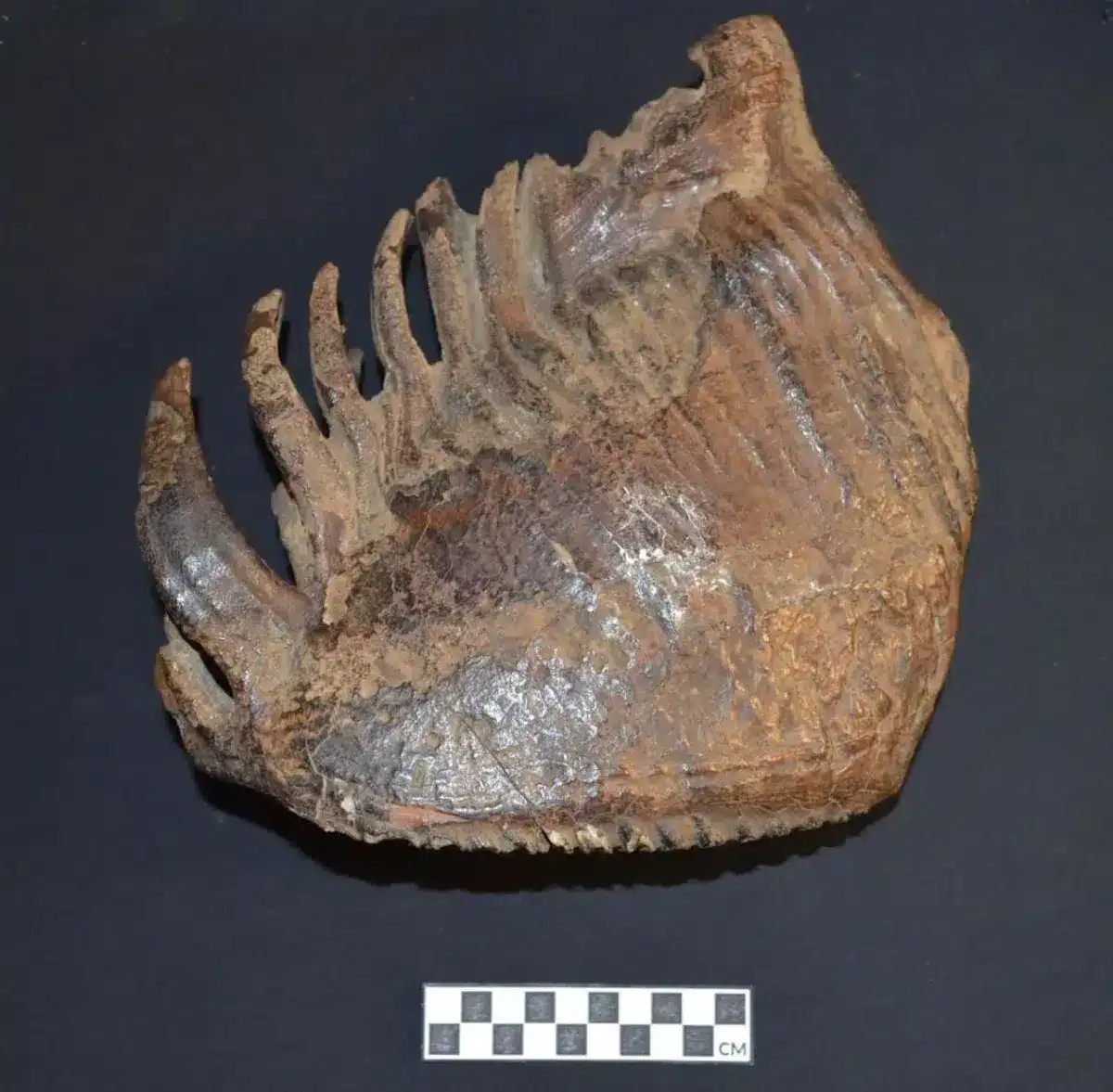
Researchers uncovered two mammoth molars in British Columbia, challenging the longstanding view that woolly mammoths and Columbian mammoths occupied distinct geographic zones: woollies in the frigid north, Columbians in the milder south. Evidence now indicates that these species coexisted and interbred repeatedly over a minimum of 40,000 years.
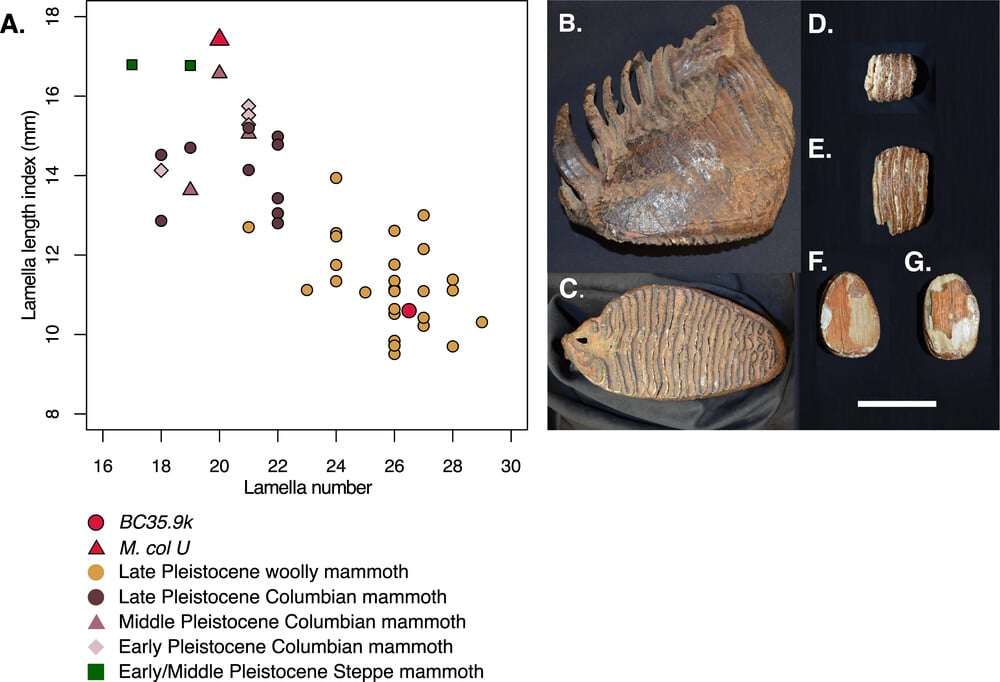
DNA analysis of a 36,000-year-old tooth revealed a composition including 21% Columbian mammoth DNA, while a younger 25,000-year-old specimen contained up to 35% Columbian genetic material. These results demonstrate persistent gene exchange, prompting a reconsideration of how North America's megafauna evolved.

Evolutionary Boundaries Redefined by Hybrid Mammoths
Contrary to the traditional image of evolution as species diverging neatly along isolated lineages, this study reveals that hybridization may have been a creative force. Professor Adrian Lister of the Natural History Museum emphasizes that this work adds to increasing evidence that genetic mixing can stimulate evolutionary progress rather than hinder it.
These mixed-heritage mammoths flourished, exhibiting high-crowned, ridged molars similar to woolly mammoths’ specialized teeth meant for grazing tough tundra vegetation. This indicates that natural selection conserved traits most advantageous for survival under Ice Age conditions despite their hybrid origins.
Unraveling Hybrid Roots Over Millennia
The study builds on a landmark 2021 finding where scientists extracted 1.2-million-year-old DNA from a steppe mammoth fossil in Siberia. That ancient group likely interbred with ancestral woolly mammoths and contributed genetically to the Columbian mammoth lineage in North America, which may have inherited nearly half its genome from woollies.
New evidence reveals that genetic exchanges between these species were bi-directional, with Columbian mammoths occasionally passing genes back to woolly mammoths. Analysis of sex chromosomes suggests most pairings occurred between male Columbian and female woolly mammoths.
Hybridization Enhanced Mammoth Resilience
This enduring hybrid gene flow likely boosted mammoths’ ability to cope with fluctuating climates of the Pleistocene epoch. The genetic diversity found in hybrids is often linked to greater adaptive potential. Although hybridization did not prevent their eventual extinction, it probably aided their survival through numerous glacial and interglacial cycles.
As Lister points out, “Understanding how species can mitigate environmental change is very important at the moment. By looking back at how mammoths coped, we might better predict how modern animals—like elephants—will adapt to today’s accelerating climate change.”
Implications for Current Conservation Efforts
This breakthrough has significance beyond extinct mammoths, offering lessons for present-day wildlife conservation. For instance, the Scottish wildcat faces threats from hybridization with domestic cats. Insights from ancient mammoth hybrids might inform strategies to protect species endangered by genetic mixing.
Remarkably, this entire evolutionary narrative emerged from the analysis of just two fossilized molars. No complete skeletons or well-preserved bodies—just teeth. These fragments illustrate the power of ancient DNA to unlock complex histories of species interaction and adaptation over millennia.
- Categories:
- News








0 comments
Sign in to Comment