
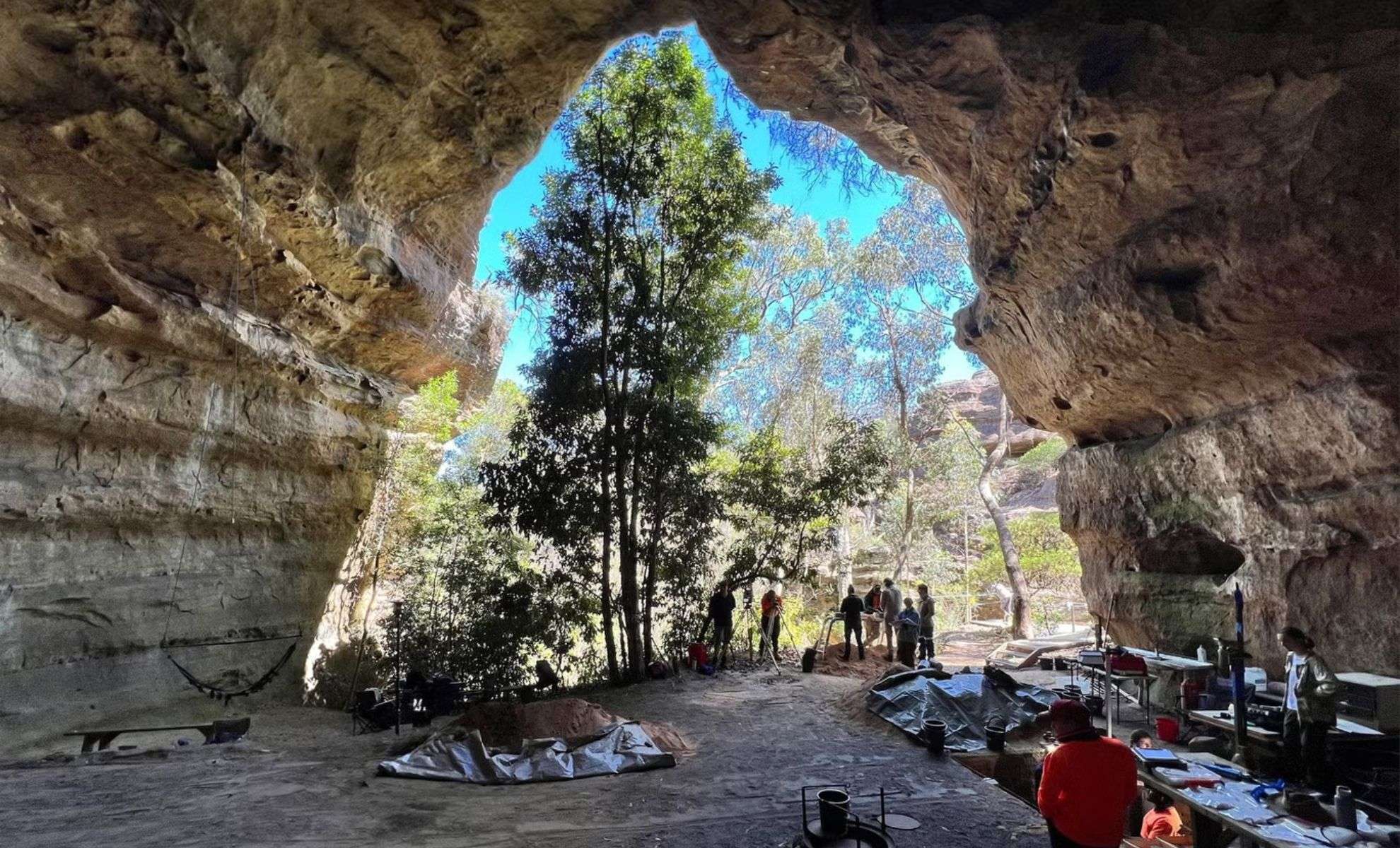
A pioneering archaeological discovery in Australia's Blue Mountains is rewriting what we know about the continent’s earliest inhabitants. Researchers have uncovered rare artefacts inside Dargan Shelter, a cave that shows humans lived in this mountainous area during the last Ice Age, roughly 20,000 years ago. Situated at an elevation of 1,073 meters (3,280 feet) above sea level, this site represents the oldest confirmed human presence at such a high altitude in Australia.
This finding suggests the Blue Mountains, long believed inhospitable due to their extreme conditions, were actually significant to the survival and activities of ancient Indigenous Australians.
Unexpected Findings in the High Country
Previous assumptions held that the challenging environment of the Blue Mountains prevented early humans from inhabiting the area. However, the new evidence from Dargan Shelter clearly shows that early Australians occupied these peaks during the harshest phase of the last Ice Age.

Excavations, carried out in partnership with First Nations peoples, have recovered nearly 700 artefacts, including stone tools and ancient hearths, shedding light on how early Australians adapted to frigid and demanding conditions.
During this period, the climate was significantly colder—estimated to be at least 8.2 degrees Celsius lower than present—with limited vegetation. Seasonal freezing of water sources and scarcity of firewood added to the challenges. Despite this, the findings reveal that humans successfully lived around 400 meters above the treeline, demonstrating remarkable resilience and adaptability.
Early Human Resourcefulness Revealed
Wayne Brennan, an archaeologist at the University of Sydney and lead of the study, commented, “It was widely assumed that Australia’s alpine areas were off-limits during the Ice Age, but our work confirms that ancient peoples moved through and inhabited these high terrain zones despite extreme conditions.”
The tools uncovered, such as cutting and scraping implements, illustrate early Australians’ clever use of available resources. Intriguingly, a tool fashioned from claystone sourced from the Jenolan Caves, located 50 kilometers away, points to extensive travel and interaction across the region.
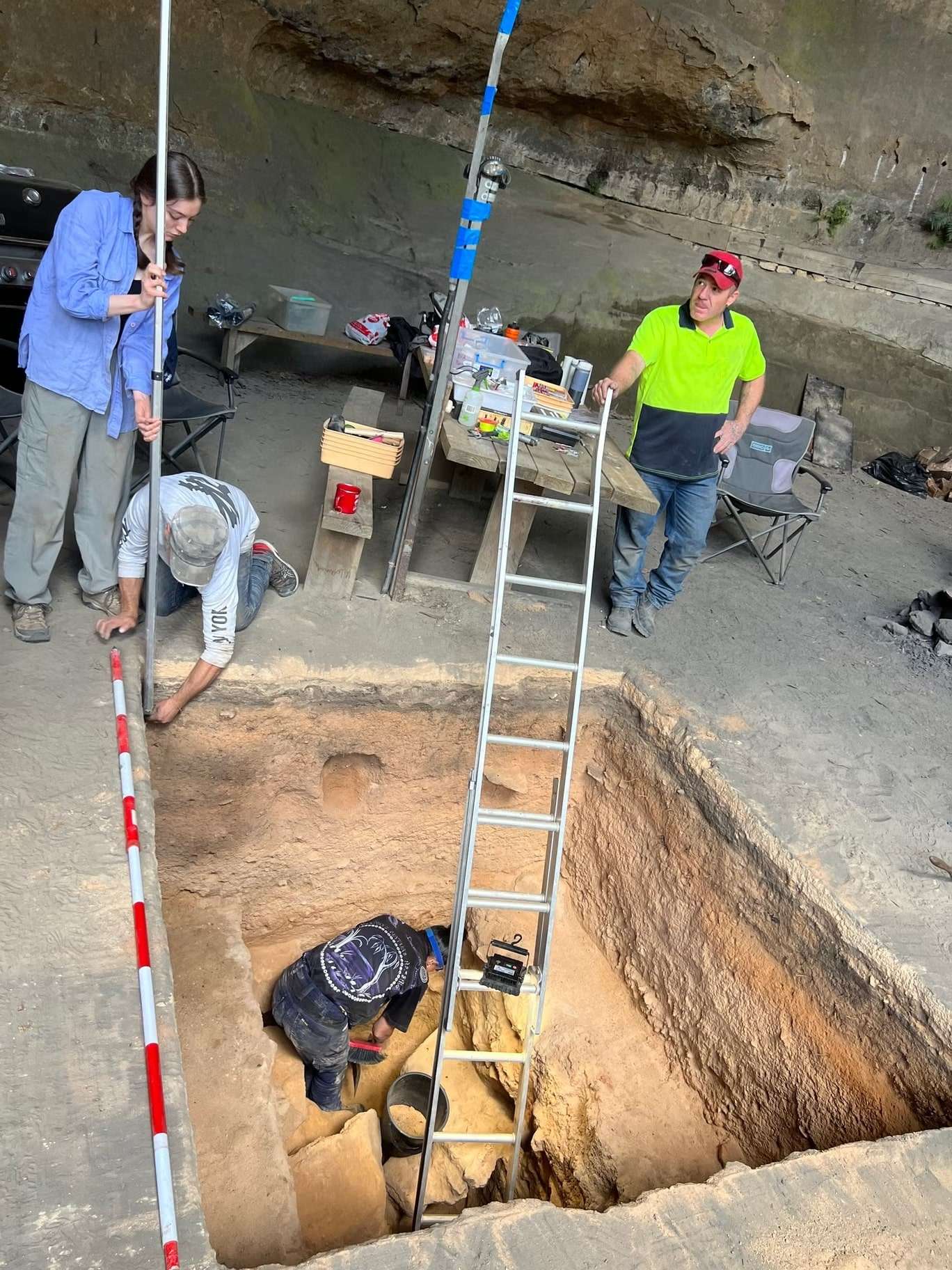
Preserving a Deep Cultural Heritage
Dargan Shelter sits within the traditional territory of the Dharug people, whose ancestors have inhabited the Blue Mountains for millennia.
Leanne Watson Redpath, a Dharug co-author of the paper, highlighted the site’s cultural value: “Our ancestors lived, traveled, and thrived here for thousands of years. This cave holds a profound connection for us, being a place of gathering, storytelling, and survival. It’s an essential part of our identity.”
This discovery stresses the importance of safeguarding archaeological sites not only for science but also as vital elements of Indigenous cultural heritage. Though recognized as a UNESCO World Heritage site famed for its biodiversity, the Blue Mountains’ human history has been underappreciated and insufficiently protected.
- Categories:
- News








0 comments
Sign in to Comment