
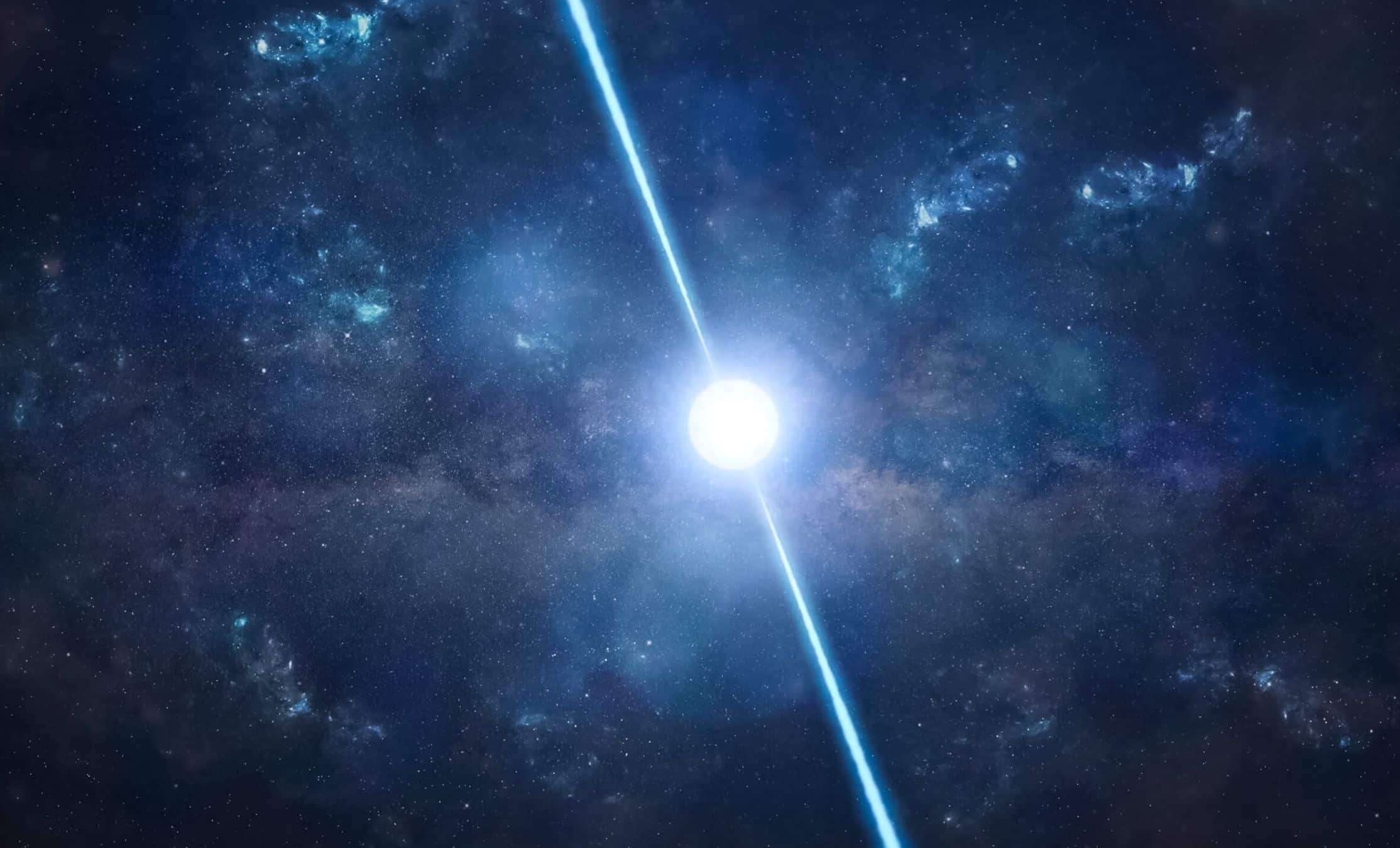
A recent investigation featured in Monthly Notices of the Royal Astronomical Society highlights the possibility that supernovae—cataclysmic star explosions—have influenced Earth’s climate shifts historically and might do so again. Led by Robert Brakenridge, a senior research associate at the University of Colorado Boulder’s Institute of Arctic and Alpine Research (INSTAAR), the study uncovers a strong link between ancient supernova detonations and abrupt changes in terrestrial climate. Through examining tree ring data and other geological evidence, the team suggests that these cosmic phenomena could have initiated cooling periods, wildfires, and selective extinctions. This pioneering approach, combining astronomical insights with Earth science data, deepens our understanding of the planet’s climatic evolution and potential future changes.
Decoding Supernovae and Their Effects
Supernovae rank among the universe’s most energetic occurrences. At a star’s life end, a massive star explodes spectacularly as it depletes its nuclear fuel, causing its core to collapse inward and unleashing its outer layers into space violently. These events play a pivotal role in cosmic chemistry by producing heavy elements like iron, gold, and uranium that become essential building blocks for new celestial bodies and life on planets.
Beyond element creation, supernovae can markedly impact neighboring planets. Brakenridge’s model indicates that a supernova within roughly 150 light-years of Earth could release intense radiation sufficient to disrupt the planet’s upper atmosphere. This radiation may degrade the ozone layer and alter methane concentrations, a powerful greenhouse gas, potentially triggering global cooling through reduced greenhouse warming and elevated ultraviolet radiation penetration. Despite the rarity of such close supernovae, their potential to influence Earth’s climate warrants serious consideration, especially regarding past and forthcoming environmental challenges.

Tracing Supernovae Contributions to Earth’s Climate
Brakenridge’s research provides new perspective on how supernovae might have influenced historical climate fluctuations. By analyzing tree ring carbon-14 anomalies—created by cosmic ray interactions—researchers identified eleven spikes aligning with documented supernova events. “The events that we know of, here on Earth, are at the right time and the right intensity,” Brakenridge explained. “Each spike aligns in timing and magnitude with a known stellar explosion cataloged by astronomers.”
This correlation is significant, linking extraterrestrial events directly to terrestrial environmental shifts. The carbon-14 peaks correspond with sudden climate changes, supporting the theory that supernovae sparked episodes of global cooling, increased wildfire activity, and targeted extinctions. This discovery adds a vital new element to the broader narrative of Earth’s climate history, emphasizing the interplay between cosmic and planetary processes.
Anticipating the Climate Influence of Future Supernovae
Supernovae’s potential effect on climate isn’t confined to Earth’s past; it remains a subject of concern moving forward. While most supernovae occur far away, those nearby could cause significant atmospheric disturbances. Brakenridge cautions, “When nearby supernovae occur in the future, the radiation could have a pretty dramatic effect on human society. We have to find out if indeed they caused environmental changes in the past.”
One star that garners particular interest is Betelgeuse, a red supergiant in the Orion constellation expected to explode within the next 100,000 years. Though the exact timing is uncertain, its eventual supernova could provide a live-case study on how such explosions influence Earth’s atmosphere. Although the event is unlikely to extinguish life on Earth, the radiation emitted could disrupt ecosystems and climate. Brakenridge stresses the importance of further studying these phenomena to better prepare for possible effects on human civilization.
Forecasting and Preparing for Cosmic Climate Events
Advancements in stellar observation and modeling offer improved capabilities for predicting how supernovae might affect Earth’s environment. According to Brakenridge, “As we learn more about our nearby neighboring stars, the capability for prediction is actually there. It will take more modeling and observation from astrophysicists to fully understand Earth’s exposure to such events.” This growing predictive skillset could be key to readiness for climatic disturbances caused by supernova radiation.
By monitoring potential supernova progenitor stars, scientists aim to develop timelines estimating future explosive events. Although the likelihood of a nearby supernova impacting Earth soon is low, understanding the risks aids in preparing for unexpected climate effects, such as heightened UV exposure or sudden planet-wide cooling. Incorporating these cosmic factors into climate resilience planning can ensure societies remain adaptable to unprecedented atmospheric changes.
- Categories:
- News






0 comments
Sign in to Comment