
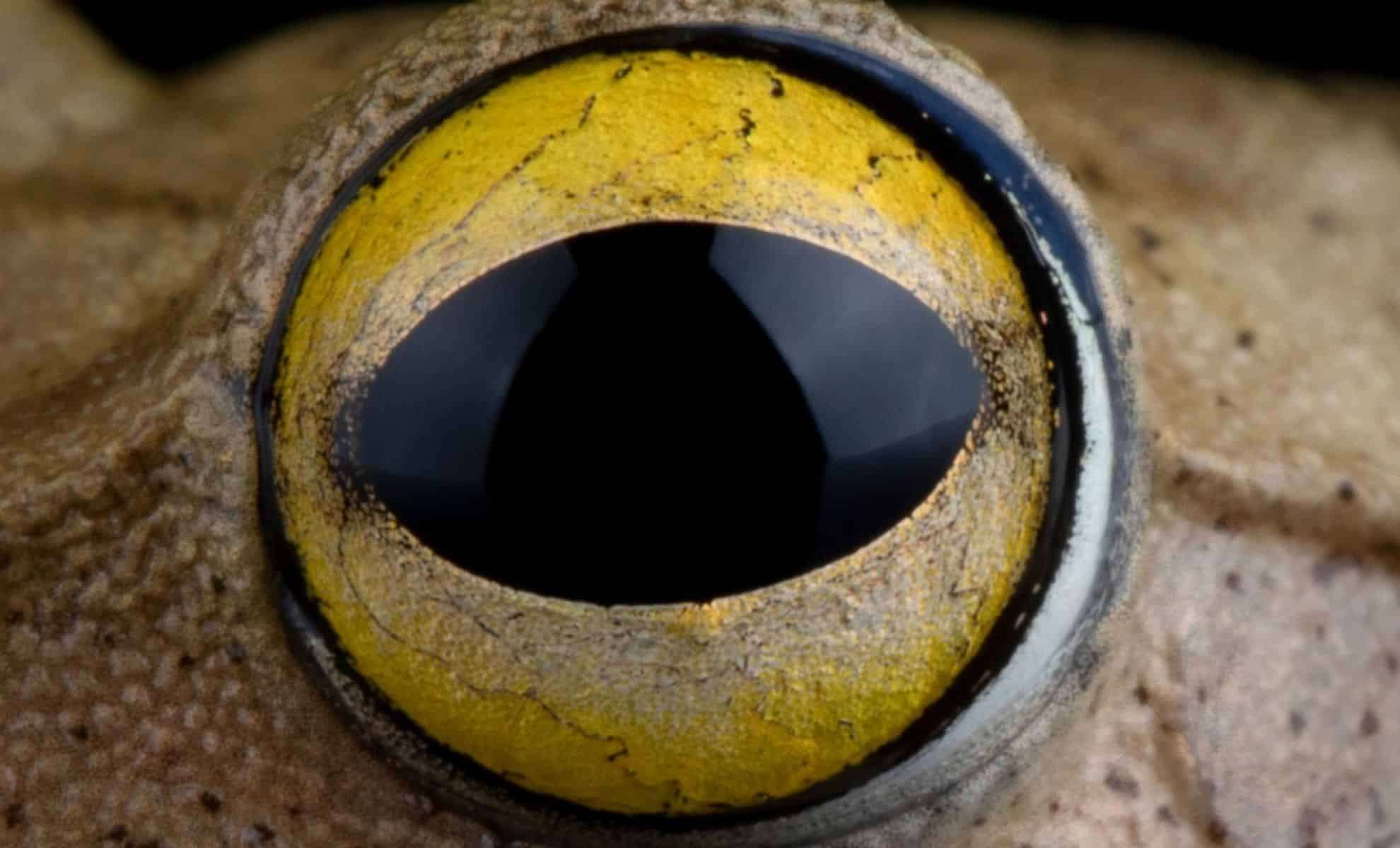
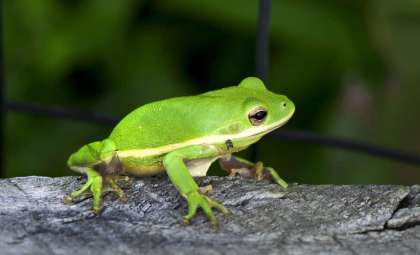
A rare amphibian, once believed extinct, has been spotted again in Chile, marking a groundbreaking achievement for scientists. Alsodes vittatus, a diminutive frog documented only through historic records and a lone specimen, has been found after more than 120 years without any confirmed wild encounters. This finding stands out as one of the decade’s most thrilling amphibian discoveries in South America.
The lost amphibian: Over a hundred years in obscurity
Alsodes vittatus, a frog species native exclusively to Chile, had vanished from scientific observation for well over a century. German-born naturalist Rudolph Amandus Philippi first described the species in 1902, identifying it by a unique yellow stripe extending down its back.
Following Philippi’s initial description, the species disappeared from scientific records—with no confirmed sightings or collected specimens thereafter. Despite multiple dedicated searches between 1995 and 2002, the frog remained undetected, leading many to believe it was either extinct or misclassified.

Unraveling history in the Andes
The rediscovery of Alsodes vittatus required piecing together historical clues alongside biological investigation. The effort, led by Dr. Claudio Correa of Universidad de Concepción, involved tracing the steps of early collectors.
By examining expedition notes of Philibert Germain, a French entomologist who gathered the original specimens in 1893, they pinpointed his route through the Andes near Hacienda San Ignacio de Pemehue, positioned at the boundary between Chile’s Biobío and La Araucanía regions.
Guided by this historical research, the team concentrated searches in specific Andean foothill valleys. Over the course of fieldwork from 2015 to 2024, conducted mainly at night when the frogs are active, they discovered five previously unrecorded frog populations in 2023 and 2024.
Three of these were definitively identified as the long-missing A. vittatus, inhabiting isolated rocky streams situated between 1,421 and 1,610 meters above sea level. These cold, forested habitats are surrounded by stands of native monkey puzzle trees.
New insights into the frog’s elusive traits
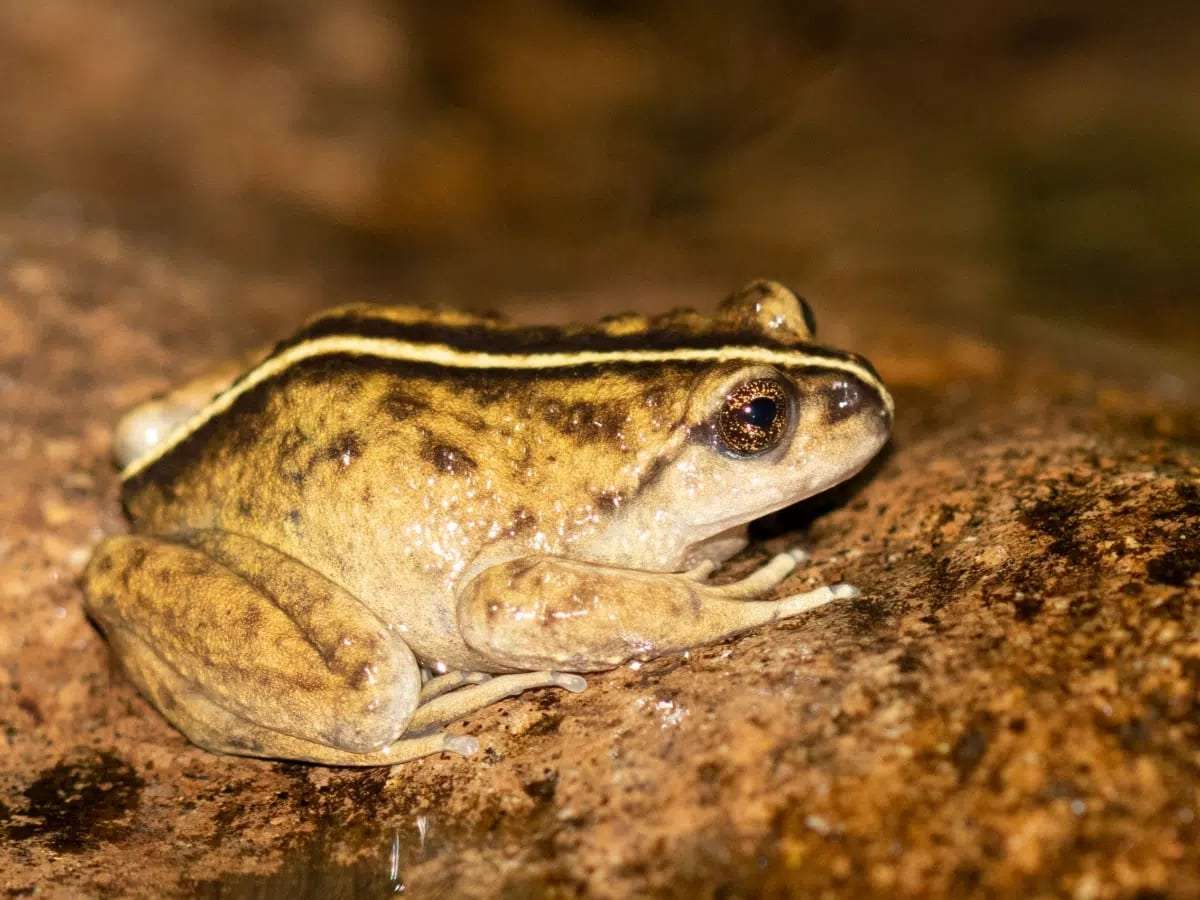
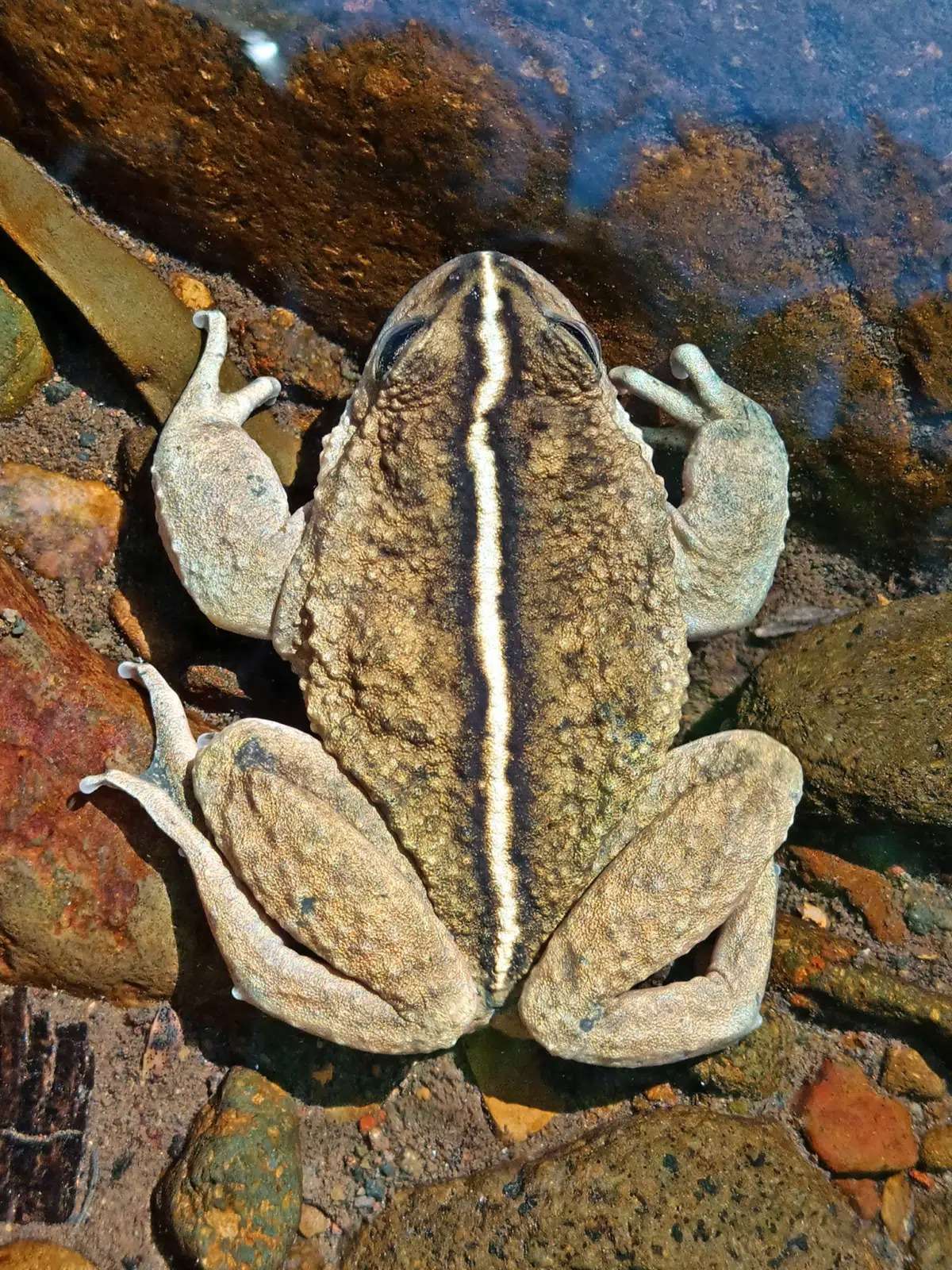
The discovery of Alsodes vittatus revealed surprising variations in the species’ appearance. Contrary to prior assumptions, the yellow dorsal stripe—once thought to be a defining trait—was present in some frogs but entirely missing in others.
This previously unknown diversity might explain why past searches failed to relocate the species, as varying populations showed subtle differences in their coloration and markings.
Genetic testing also uncovered unexpected relationships. The Alsodes vittatus groups showed close DNA similarities to Alsodes neuquensis, a species previously recorded only in Argentina. Intriguingly, one A. vittatus specimen shared greater genetic affinity with A. neuquensis than with its local counterparts, suggesting the two taxa could represent a single species distributed across both sides of the Andes, potentially requiring taxonomic revision.
Conservation concerns: Can this frog be saved?
While the reappearance of Alsodes vittatus is cause for celebration, the species’ prospects remain delicate. Its range is extremely restricted—covering only around eight square kilometers—and faces ongoing threats from deforestation, livestock expansion, invasive species such as introduced trout preying on tadpoles, and climate change impacts.
Experts advise reclassifying the frog’s conservation status, suggesting upgrading from Critically Endangered to Endangered, although significant risks persist.
Observations during surveys also noted notable color variation. Adult males ranged from light brown shades tinged with yellow and green to olive brown, while some juveniles exhibited darker brown tones.
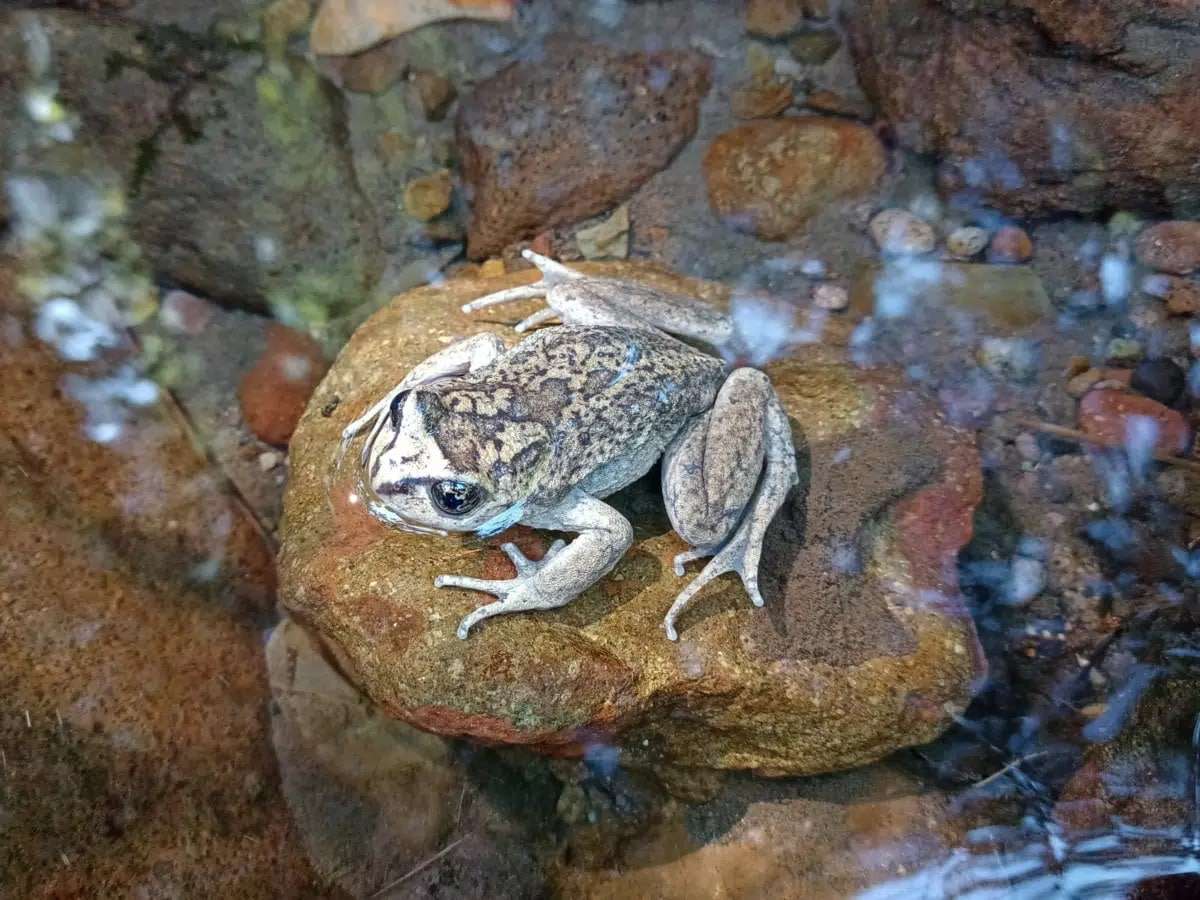
A particularly compelling find was the discovery of smaller frogs sporting a dark brown stripe matching Philippi’s 1902 original drawing, suggesting that the naturalist likely based his species description on juvenile frogs rather than adults—clarifying a long-standing mystery.
Beyond this specific rediscovery, the work emphasizes that species presumed extinct might still exist unnoticed in remote habitats. It also sheds light on the significant gaps in our understanding of Andean amphibians, suggesting many species remain to be discovered in these overlooked ecosystems.
Safeguarding Chile’s amphibian heritage
For now, Alsodes vittatus offers a rare beacon of hope amidst widespread species declines. Its rediscovery underscores the critical need for ongoing explorations and conservation initiatives.
With detailed knowledge of its habitat now available, efforts can focus on protecting these vital areas. However, successfully preserving this frog depends on combating persistent threats from climatic shifts, habitat loss, and invasive predators.
- Categories:
- Science










0 comments
Sign in to Comment