
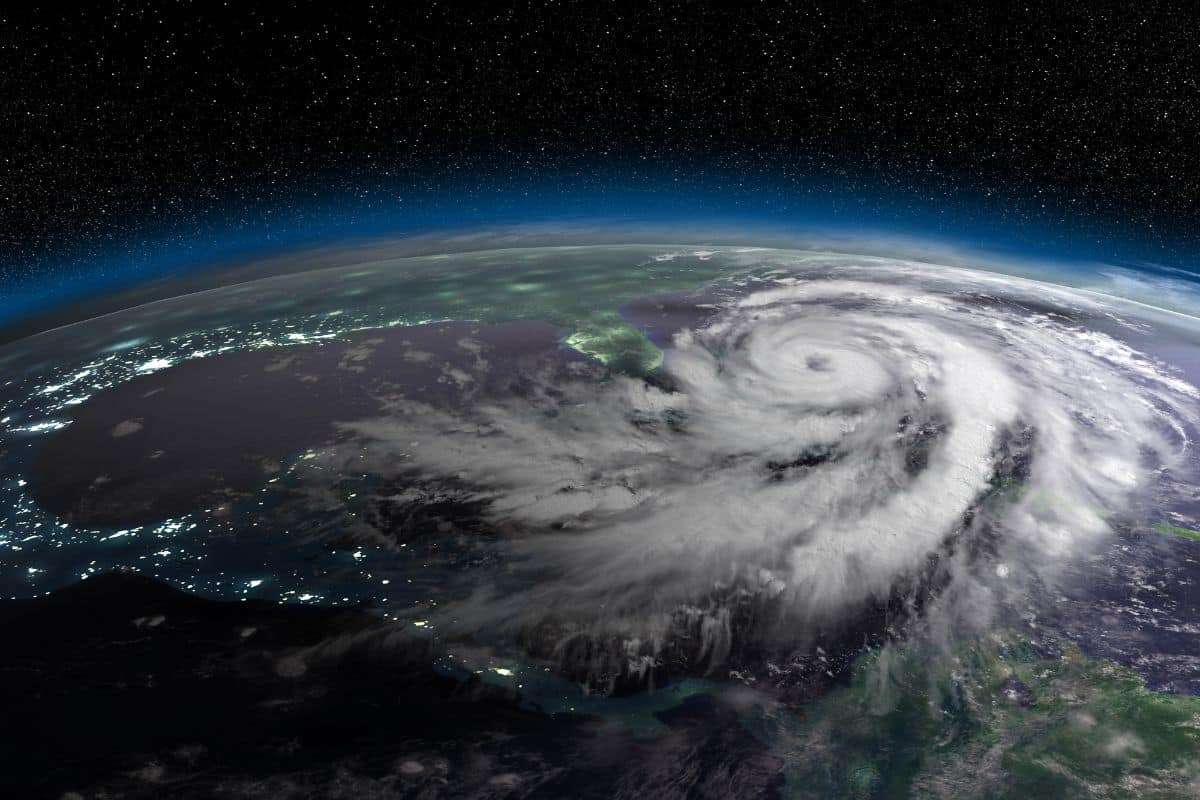
Hurricanes rank among nature’s most powerful phenomena, but their intensity and destructiveness are escalating as global temperatures climb. Researchers are exposing compelling evidence linking climate change to the increasing strength of these storms, revealing how human-driven environmental changes are intensifying the impacts of once unpredictable weather events.
Unraveling the Link Between Hurricanes and a Warming Planet
Hurricanes function as colossal heat engines, deriving energy from warm ocean waters and moisture in the atmosphere. Rising global temperatures enhance these fuels, making hurricanes more intense. Increased ocean heat supplies extra power, while hotter air contains more water vapor, leading to stronger winds and heavier precipitation.
Atmospheric scientist Kerry Emanuel from MIT notes that every 1.8 °F (1 °C) rise in ocean temperature corresponds to a 5 to 7% increase in hurricane wind speeds. This insight explains why storms like 2024’s Hurricane Milton, which reached wind speeds of 180 mph, may soon become less exceptional.

The overall number of hurricanes isn’t necessarily growing, but their characteristics are shifting. These storms are slowing down, prolonging their impact on affected areas through increased rainfall, and are venturing farther from tropical zones, threatening regions previously spared from such events.
Escalating Sea Levels and Dangerous Flooding Risks
Hurricane flooding is worsening due to climate change. Ocean warming causes seawater to expand, and melting glaciers add extra volume, pushing sea levels higher. When hurricanes make landfall, they drive higher storm surges that flood coastlines and coastal communities.
Additionally, warmer air can hold approximately 7% more moisture for every 1.8°F increase in temperature, intensifying rainfall during storms. Hurricane Helene, for example, produced 10% more rainfall than similar storms in cooler conditions. Extreme rain events have become 40–70% more frequent partly because of global warming.
The Rising Phenomenon of Rapid Intensification
Rapid intensification, where storms accelerate by at least 35 mph in wind speed within 24 hours, is increasingly common. Hurricanes like Milton and Helene swiftly escalated into Category 5 storms, leaving little warning time for affected communities.
Studies indicate that such rapid strengthening has become more prevalent over the past four decades, driven by warmer oceans and increased atmospheric moisture.
Storms Expanding Into New Regions
As the climate shifts, hurricanes are moving into areas once considered safe. Warmer waters extend the regions where storms can form and travel, allowing hurricanes to reach further north and south than before.
In recent years, storms have appeared closer to the poles, where infrastructure and emergency response systems may be less prepared for their arrival.
Human Contributions Beyond Greenhouse Gases
Although climate change is a primary factor behind intensified hurricanes, other human influences matter. Aerosols, microscopic particles from natural and pollution sources, have traditionally mitigated storm formation by cooling the atmosphere and disrupting the development of hurricanes.
Moreover, growing populations and urban sprawl in hurricane-prone areas raise the stakes, increasing potential casualties and property damage when storms occur.
Strengthening Defenses Against Future Hurricanes
The combination of more powerful storms, rising sea levels, and rapid intensification presents serious challenges globally. While research into the relationship between climate change and hurricanes continues, current findings underscore the urgent need for decisive measures.
Efforts to curb greenhouse gas emissions are crucial for slowing climate warming and limiting future storm strength. Simultaneously, adaptive measures like enhanced flood defenses, updated building standards, and strategic urban design will be vital to safeguard vulnerable communities.
As Emanuel cautions, the threat of even more extreme hurricanes looms: "We might see records broken 50 years from now, possibly with 220-mile-per-hour hurricanes." The scientific consensus is clear: while hurricanes have always been formidable, human-driven climate change is intensifying their destructive potential.
- Categories:
- Science











0 comments
Sign in to Comment