
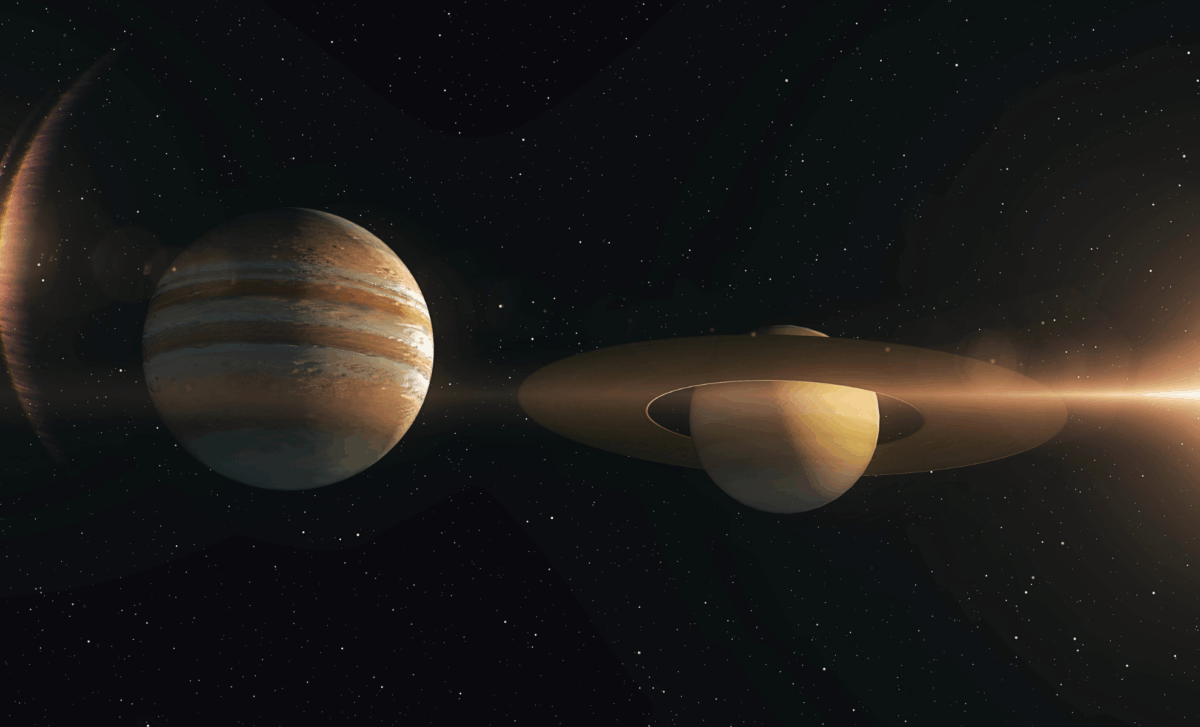
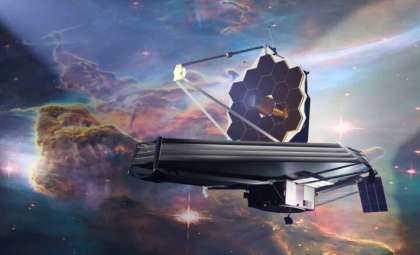
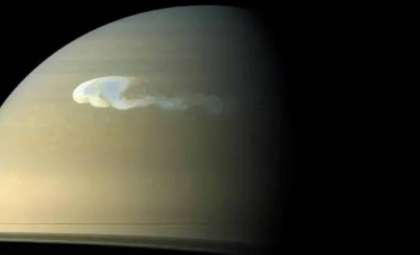
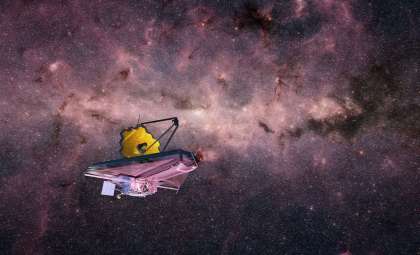
Utilizing the cutting-edge capabilities of the James Webb Space Telescope (JWST), researchers have uncovered a rare silicon-hydrogen molecule known as silane in the atmosphere of a brown dwarf located 50 light-years from Earth. This detection offers valuable clues into the chemical environment of gas giants like Jupiter and Saturn, deepening our understanding of atmospheric dynamics in such celestial bodies. The findings, published in a recent study, provide fresh perspectives on elemental interactions in low-oxygen, cold environments.
Identifying Silane Within a Brown Dwarf
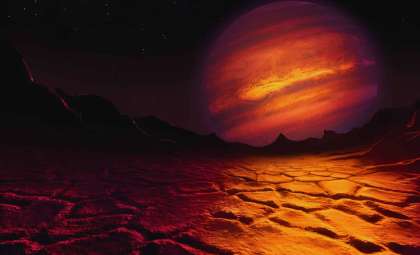
The brown dwarf nicknamed The Accident has become pivotal in advancing planetary science, thanks to a team led by Jacqueline K. Faherty from the American Museum of Natural History. Leveraging JWST’s exceptional infrared sensitivity, astronomers successfully identified the faint spectral signature of silane gas emanating from this substellar object. This silicon-hydrogen compound is uncommon in atmospheres containing large amounts of oxygen, as it typically forms solid silicate minerals. However, in oxygen-poor settings like this brown dwarf, silane can remain in gaseous form high in the atmosphere, offering a unique window into chemical processes otherwise hidden on planets like Jupiter and Saturn.
This discovery challenges prevailing ideas about silicon chemistry in planetary atmospheres and enriches our comprehension of early cosmic conditions and planetary formation mechanisms. Detailed in Nature, the publication highlights the complex chemical interactions within objects too small to sustain nuclear fusion, yet critical to understanding planetary genesis.

Impact of Sparse Oxygen on Atmospheric Chemistry
The unique conditions of The Accident—formed during an epoch with significantly less oxygen—are central to the persistence of silane gas. Unlike the gas giants in our solar system, where oxygen binds with silicon to produce silicate clouds deep in their atmospheres, the low-oxygen environment here allows silicon to bond with hydrogen, creating silane that remains detectable in the upper atmosphere.
This explains why attempts to observe silane within Jupiter and Saturn’s atmospheres have been unsuccessful; the silicon in those planets is locked away in silicate formations inaccessible to telescopes. The recent findings indicate that silane detection is more likely in bodies formed when oxygen was less abundant, opening new pathways for investigating the chemistry of exoplanets and other brown dwarfs.
Advances in Spectral Analysis Techniques
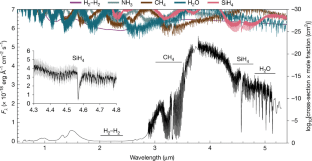
The JWST’s ability to isolate the subtle infrared emissions of silane underscores its revolutionary technology. Using high-resolution spectrographs, researchers split the faint light from The Accident into thousands of spectral segments, isolating silane’s signature at 4.55 micrometers. This approach enabled the team to accurately determine the brown dwarf’s temperature and chemical composition, revealing the presence of methane, water vapor, and silane without interference from the object’s thermal radiation.
This technique promises to transform future studies, enabling astronomers to dissect the atmospheric constituents of distant exoplanets, brown dwarfs, and gas giants with unprecedented detail.
- Categories:
- Space




0 comments
Sign in to Comment