
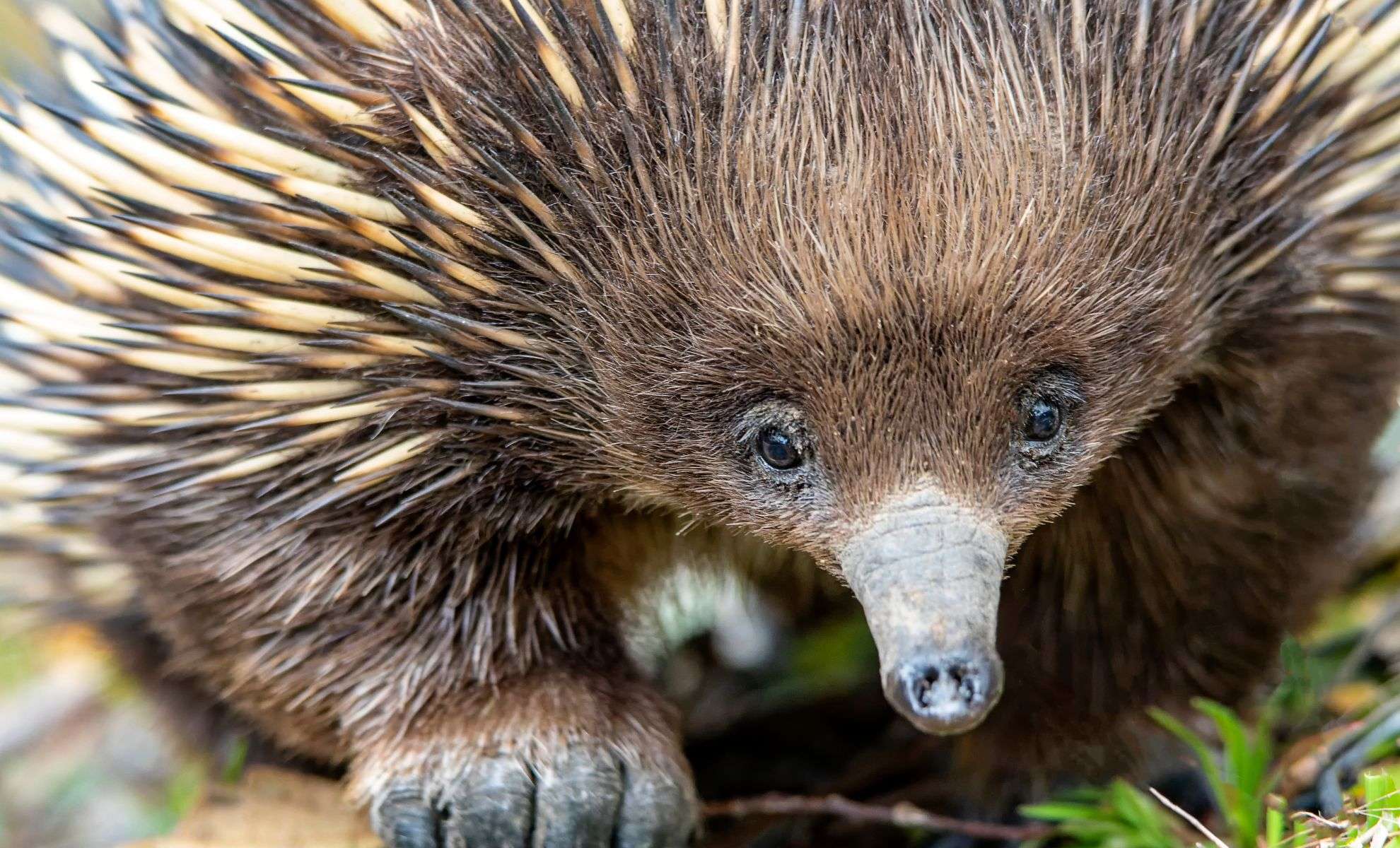
Platypuses and echidnas, known for their unusual appearance and biology, are now understood to have an even more intricate evolutionary background than researchers once thought. Recent research has shed fresh light on these mysterious monotremes.
Diving into the Unique World of Monotremes
Found exclusively in Australia and New Guinea, the platypus and echidna are the only surviving monotremes—egg-laying mammals distinct from the vast majority of mammals which give live birth.
These animals possess remarkable traits that distinguish them. The platypus, an amphibious species, sports a duck-like bill and webbed paws.

Conversely, the echidna is covered in spines and lives entirely on land, burrowing while feeding primarily on ants and termites.
Both species produce milk without nipples, instead secreting it through patches of skin that their young, called puggles, suckle.
“Monotremes are a pivotal mammal group,” explains Dr. Guillermo W. Rougier, anatomy professor at the University of Louisville. “The typical mammalian ancestor during the dinosaur era probably shared much more with monotremes than with mammals like cats, dogs, or humans.”
An Extraordinary Fossil Breakthrough
A pivotal moment emerged from the discovery of a single humerus bone in 1993 at Dinosaur Cove in southeastern Australia.
Initially thought to belong to a terrestrial echidna ancestor, deeper investigation revealed a far more intriguing past.
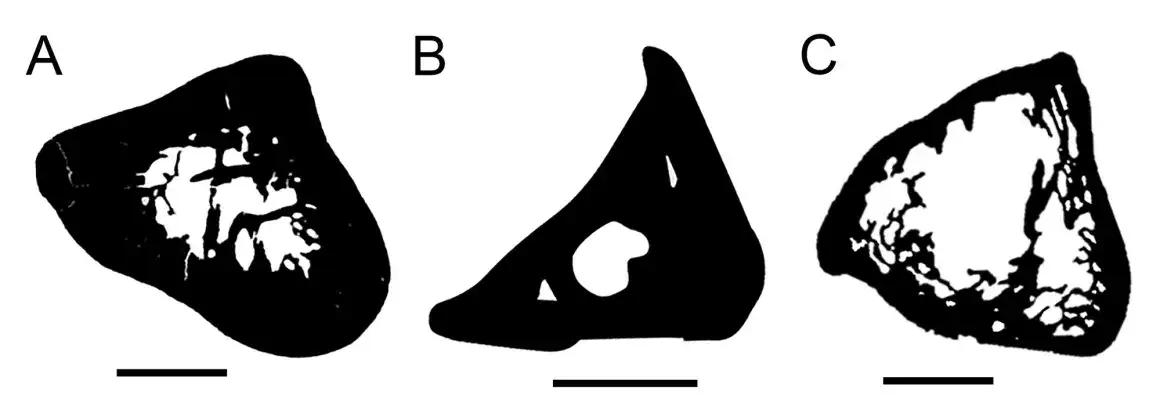
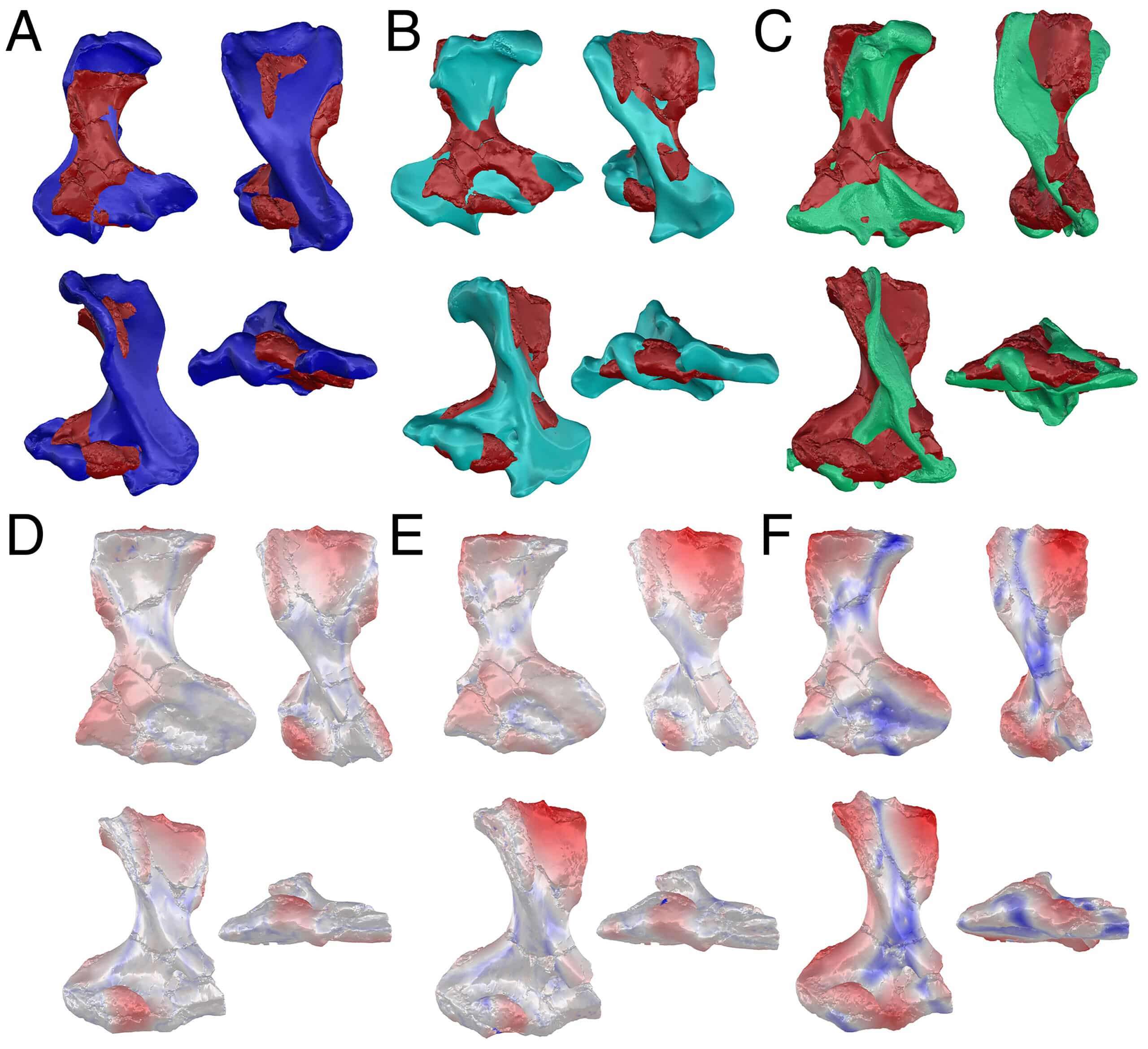
Utilizing sophisticated 3D scanning methods, scientists detected internal bone features consistent with a semi-aquatic existence.
The humerus' inner structure was denser with a narrower central cavity, adaptations typically seen in animals that dive and swim underwater.
“Advanced 3D imaging unveiled hidden details of this ancient bone, revealing a surprisingly aquatic lifestyle,” says Dr. Laura Wilson, associate professor at Australian National University and co-author of the study.
These results suggest that Kryoryctes cadburyi, an ancestor dating back over 100 million years, could be the common forebear of both platypuses and echidnas.
Tracing the Shift from Water to Land
The findings, detailed in the Proceedings of the National Academy of Sciences, offer new perspectives on monotreme evolution.
Lead author Suzanne Hand, emeritus professor at the University of New South Wales, remarks, “Our research indicates the platypus’ amphibious habits began at least 100 million years ago, while echidnas transitioned later to a fully terrestrial lifestyle.”
The echidna’s backward-pointing feet—a longtime biological curiosity—could be a vestige from its aquatic heritage.
Dr. Hand speculates these feet possibly evolved as swimming rudders on an ancestor, an adaptation retained even after echidnas moved onto land.
Monotremes as Windows into Mammalian Ancestry
Monotremes provide a rare view into the earliest stages of mammalian evolution, diverging over 180 million years ago from other mammal lineages.
“Monotremes are living relics from a distant era,” says Dr. Rougier. “Humans and platypuses likely shared their most recent common ancestor more than 180 million years ago.”
He adds, “Understanding this ancestor's biology is nearly impossible without studying animals like monotremes.”
This discovery also invites fresh questions about mammalian evolutionary processes on a broader scale.
- Categories:
- Evolution








0 comments
Sign in to Comment