
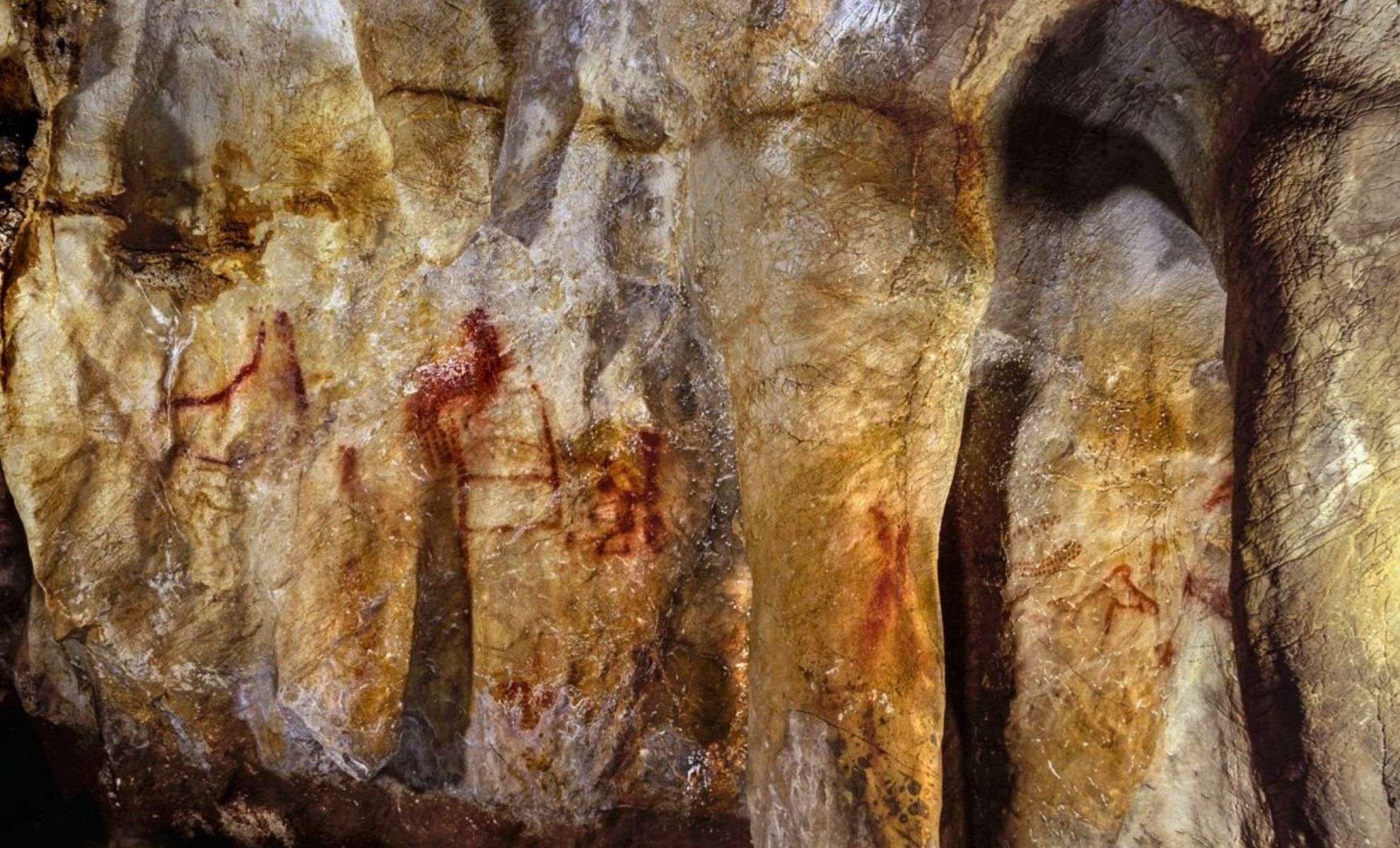
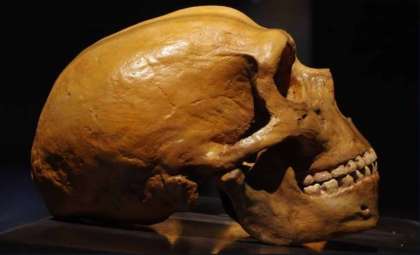
A remarkable find in Maltravieso Cave, situated in Extremadura, Spain, is rewriting our narrative about the inception of art. The hand stencils discovered here, dated to be at least 66,710 years old, point to Neanderthals—rather than Homo sapiens—as potentially the earliest creators of artistic works.
Revolutionary Advances in Age Determination
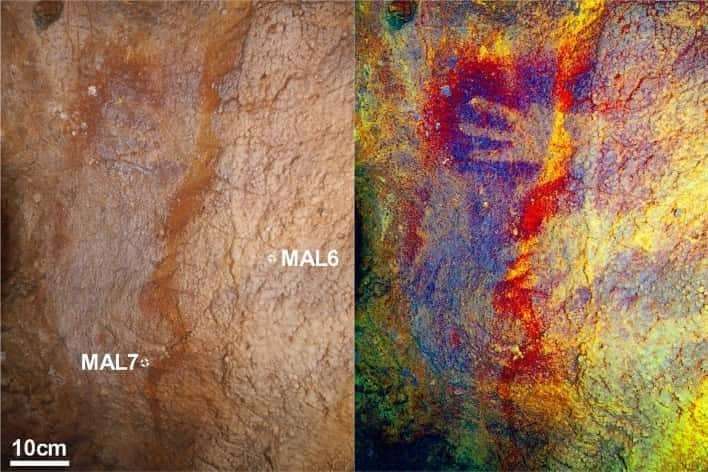
To establish the timeline of these captivating paintings, scientists employed a sophisticated uranium-thorium dating technique. By analyzing uranium decay within the calcium carbonate layers overlaying the artworks, the research team, led by Alistair W.G. Pike from the University of Southampton, was able to confirm a minimum age for the stencils.
Co-author Paul B. Pettitt expressed in the Journal of Archaeological Science: Reports, “This evidence affirms that Neanderthals had cognitive skills comparable to modern humans.”

Key Insights from the Research
What makes this discovery particularly notable includes:
- Site: Maltravieso Cave, Extremadura, Spain.
- Method: Hand stencils produced by blowing pigment around pressed hands on cave walls.
- Date: At least 66,710 years old, setting a new benchmark for the oldest known hand stencils.
- Team: Research led by Alistair W.G. Pike and Paul B. Pettitt from the University of Southampton.
- Context: Predates the previously oldest stencils found in Leang Timpuseng Cave, Indonesia, dated around 39,900 years.
This breakthrough bolsters the argument that Neanderthals were the pioneers of artistic creation rather than Homo sapiens.
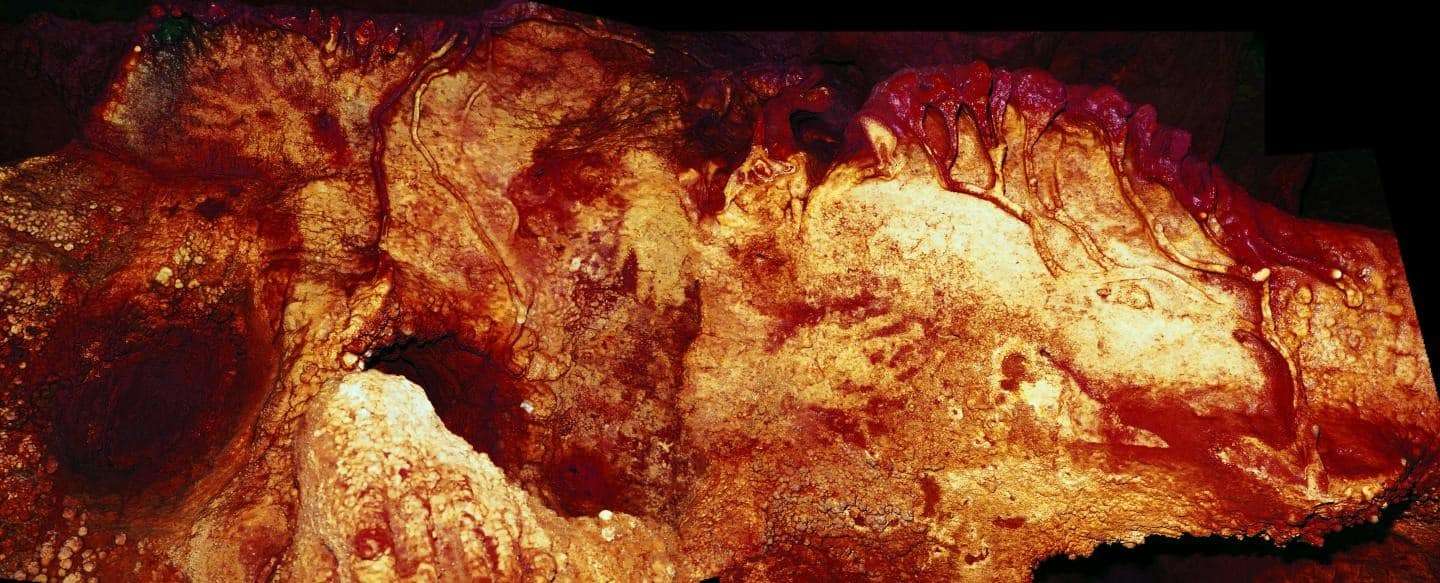
Neanderthal Technique Behind the Stencils
The hand stencils in Maltravieso Cave exhibit remarkable precision and symbolic meaning. Scientists believe these images were formed by applying mineral pigments sprayed through hollow reeds or blown directly from the mouth to outline hands pressed on the rock surface.
Significance of These Ancient Imprints
- Meaning: The intentional placement and repetition imply symbolic intent beyond decorative functions.
- Expertise: The detailed contours show skilled management of pigment application.
- Longevity: Mineral pigments ensured the stencils remain visible after tens of thousands of years.
Comparing Maltravieso with Other Early Artistic Sites
*The dating for the Tibetan Plateau site is still debated among researchers.
Maltravieso’s hand stencils elevate Neanderthals to the status of artistic innovators, predating the known art created by Homo sapiens by tens of millennia.
Reevaluating the Cultural Depth of Neanderthals
The evidence from Maltravieso contributes to mounting proof that Neanderthals were far more sophisticated than previously believed. Recent research shows they possessed notable mental and technological capabilities, including:
- Advanced adhesives: The ability to produce birchbark pitch, vital for attaching tool components.
- Symbolic pigment use: Instances across Europe demonstrate Neanderthals employing ochre for body painting and symbolic practices.
- Mortuary customs: Evidence of burials accompanied by grave items suggest ritualistic or spiritual beliefs.
Dr. Pettitt notes, “Patterns emerge indicating Neanderthals engaged in abstract thinking and complex behavior.”
Possible Cross-Species Artistic Influence
An intriguing aspect of the Maltravieso findings is the potential cultural exchange between Neanderthals and early Homo sapiens. Upon arriving in Europe, modern humans might have encountered caves already decorated by Neanderthal artists. Witnessing these visuals could have inspired Homo sapiens to replicate hand stencil techniques and the use of mineral pigments.
If substantiated, this would represent one of the earliest cases of cultural interaction between distinct human species, reshaping our perspective on their relationship.
Art as a Shared Legacy of Humanity
The discoveries at Maltravieso compel us to rethink what defines humanity. Artistic expression, it appears, is not exclusive to Homo sapiens but a common thread connecting us to our closest extinct relatives. Far from being primitive, Neanderthals emerge as creative visionaries instrumental in shaping human cultural evolution.
This breakthrough marks merely the beginning. Continued exploration of sites like Maltravieso promises to reveal deeper insights into Neanderthals’ significant impact on human heritage.
- Categories:
- Evolution







0 comments
Sign in to Comment