
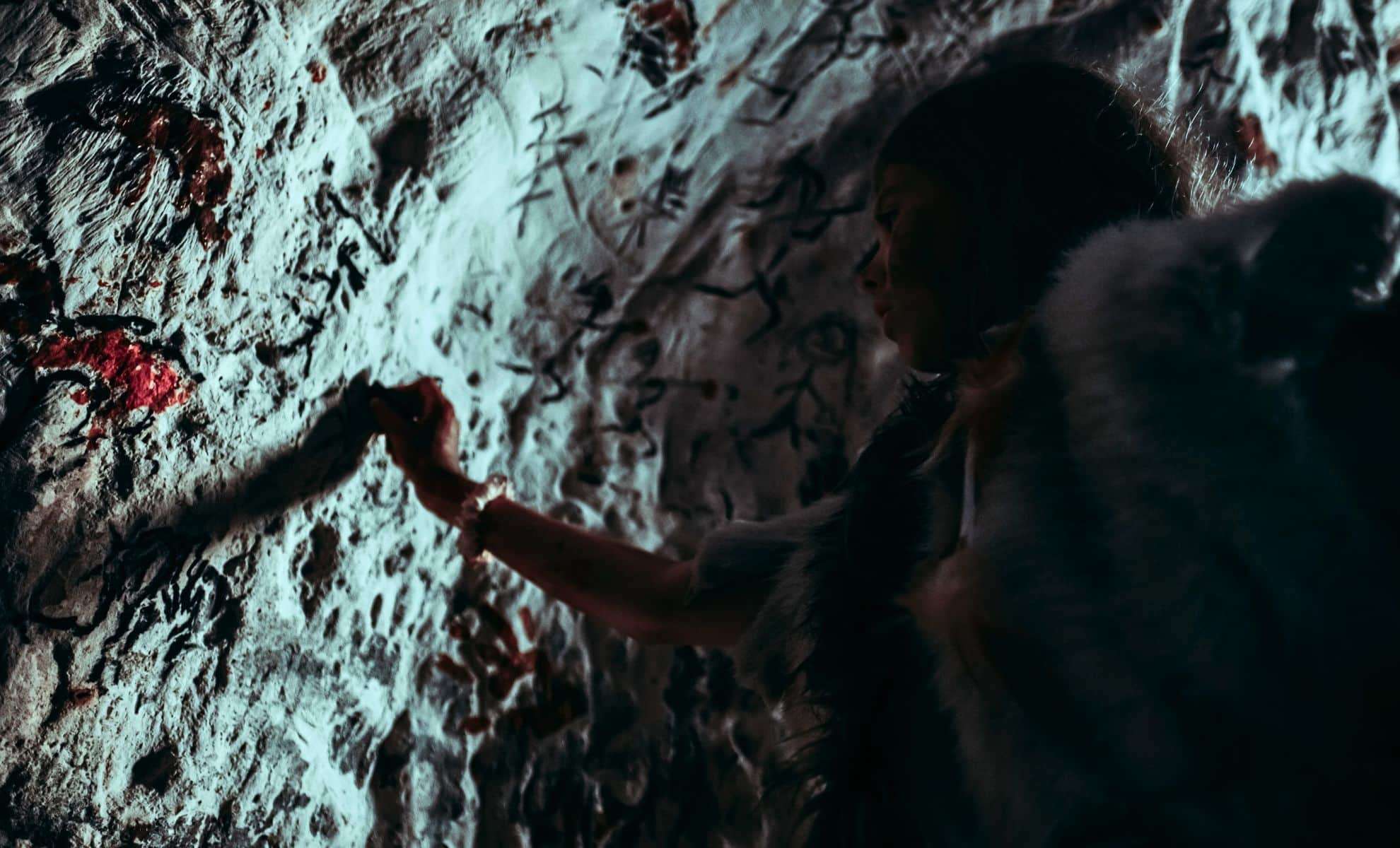
A revolutionary study has reshaped our knowledge of human origins. Rather than evolving from a solitary lineage, Homo sapiens appear to have arisen through the blending of two distinct ancient human groups. This insight, emerging from collaborative work between the University of Cambridge and the University of Wisconsin-Madison, challenges longstanding beliefs about our ancestry and sheds light on early genetic intermingling that predated the global migration out of Africa.
Unraveling the Intricate Roots of Human Evolution
For years, genomics has revealed the complexity behind the story of human development. Earlier frameworks pictured human lineages evolving on separate, isolated paths. New evidence, however, uncovers that our genome includes markers of ancient interbreeding between diverse populations. These discoveries prompt further inquiry into which groups contributed and the significance of these gene flow in the makeup of contemporary humans.
The research article in Nature reports that the genomes of modern Homo sapiens retain roughly 20% genetic input from a now-extinct ancestral lineage. This ancient group separated from other ancestors around 1.5 million years ago and reconnected through interbreeding around 300,000 years in the past. This pivotal admixture event helped define the unique genetic composition of today's humans.

Shedding Light on the Concept of a “Ghost Species”
The notion of a “ghost species” has been proposed to account for mysterious genetic discrepancies found between ancient human groups. It was theorized that early humans mated with an unknown species whose fossil and DNA evidence had so far remained elusive. Nevertheless, recent findings from the University of Wisconsin-Madison introduce a fresh perspective.
Geneticist Aaron Ragsdale formulated a novel model that disputes the need for a “ghost species” to explain genetic complexity. His work suggests ancient human populations were fragmented into various subgroups that periodically split and merged over extended periods. This cyclical genetic fusion among early human communities better accounts for the extensive genetic variation found in modern humans. According to Ragsdale, these groups frequently exchanged genetic information, creating the intricate genomic patterns we observe today.
How Ancient Genetic Mergers Shaped Today's Populations
These findings propose that two significant genetic mergers were instrumental in molding early modern human diversity. The first fusion, dated to about 120,000 years ago, gave rise to the Khoisan peoples of southern Africa, known for possessing some of the most diverse genetic lineages worldwide.
The second significant admixture event, occurring near 100,000 years ago, resulted in the emergence of populations across Western and Eastern Africa. Many descendants from these groups eventually migrated outside Africa to inhabit other parts of the world. Researchers propose that these gene flow episodes were driven by environmental changes like aged ice ages and recurring climatic shifts, which fragmented and later reunited human groups.
This repeated cycle of separation and convergence contributed profoundly to the mosaic of genetic diversity that characterizes modern Homo sapiens.
Rethinking the Evolutionary Tree
The classic portrayal of human evolution as a neatly branching tree with isolated populations growing independently is being replaced by a more complex model. Contemporary insights depict an evolutionary tree with intertwined branches where early Homo sapiens existed as a network of varied groups exchanging genes regularly rather than evolving in complete separation.
This refined viewpoint also reinterprets ancient African fossil discoveries bearing both archaic and modern features, without invoking a mysterious “ghost species.” Paleoanthropologist Chris Stringer from London’s Natural History Museum notes that any genetic signatures from earlier crossbreeding events would likely have disappeared over time.
Overall, this updated framework reveals that constant gene flow between ancient human groups across Africa was key to the rich genetic diversity present in humans today.
- Categories:
- Science





0 comments
Sign in to Comment