
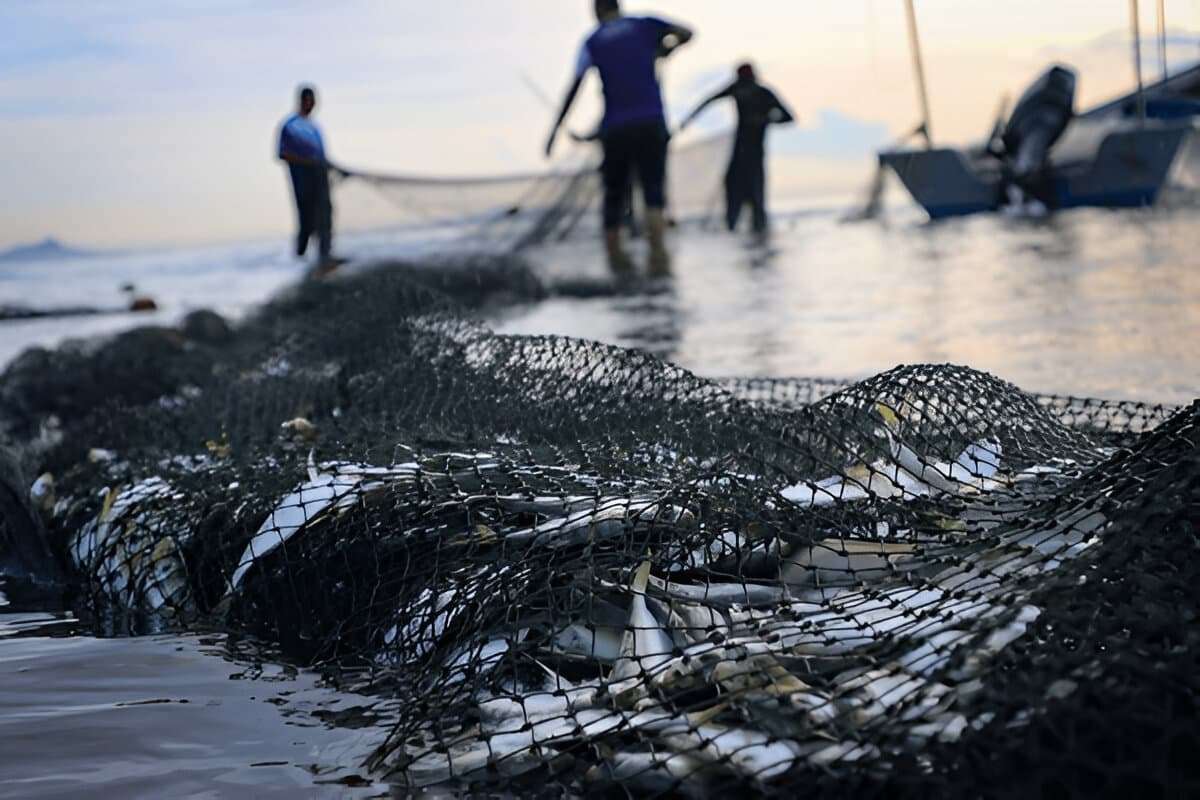
Rainbow trout, a globally farmed and consumed fish species, have often endured unnoticed and severe suffering. Recent research uncovers the acute distress these fish face when subjected to air asphyxiation, a common slaughter technique in aquaculture. Published in Scientific Reports, the study indicates rainbow trout can experience pain lasting up to 10 minutes, with cases reaching 25 minutes under certain conditions. This insight urges industry-wide improvements toward more compassionate slaughter methods.
Understanding the Harsh Impact of Air Asphyxiation
Once taken out of water, rainbow trout undergo a gradual and agonizing process. Their gills collapse, oxygen intake diminishes, and panic ensues as their blood chemistry becomes imbalanced. This process, called air asphyxiation, remains prevalent in commercial aquaculture despite its severe and extended suffering.
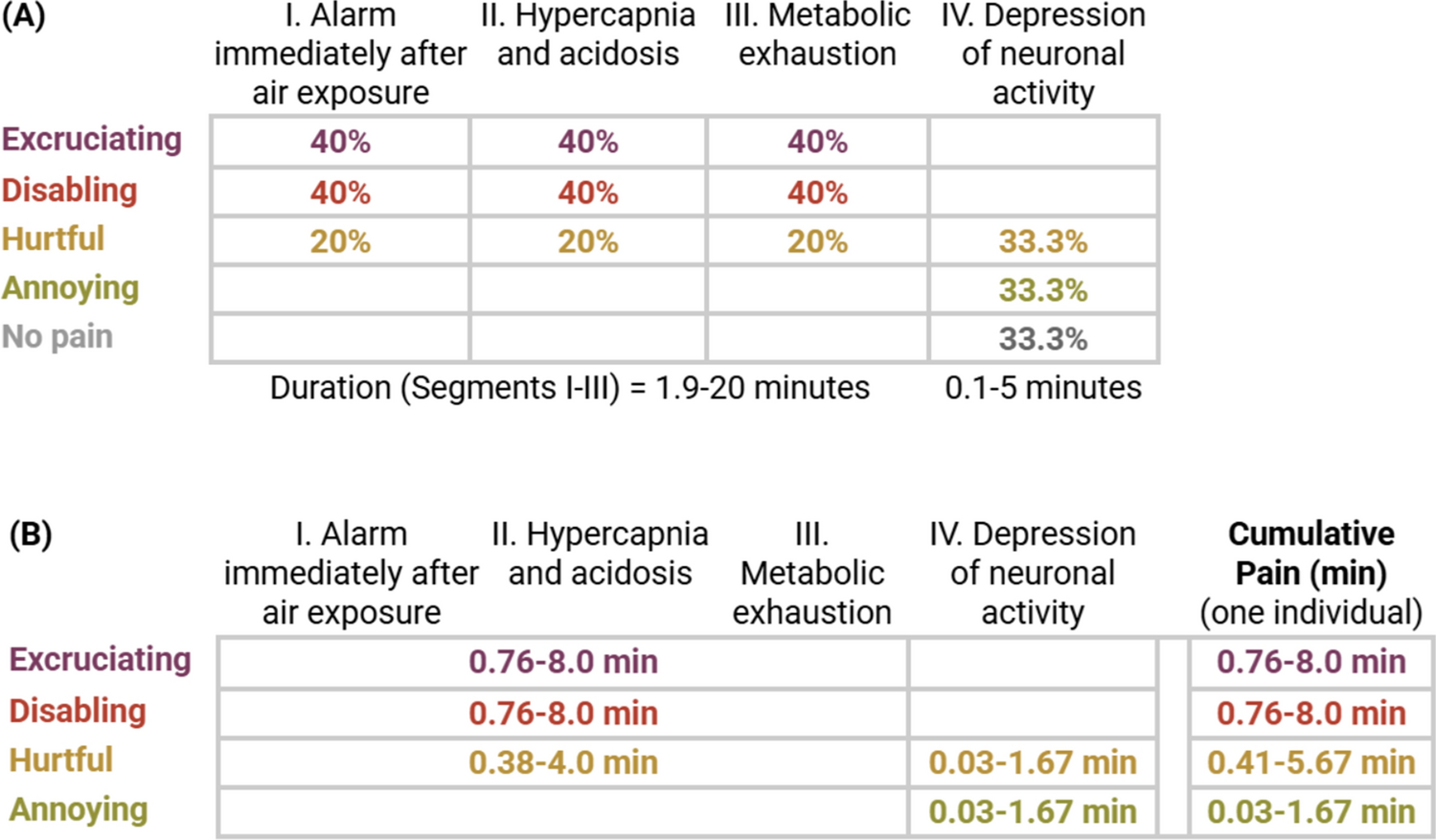
Led by Dr. Wladimir Alonso of the Welfare Footprint Institute, the study employed the Welfare Footprint Framework (WFF), an innovative approach designed to evaluate pain in animals. The results revealed that trout endure moderate to severe pain for periods reaching 25 minutes, substantially longer than earlier assumptions.

The researchers mapped out phases throughout the trout’s distress, beginning with immediate panic and continuing until the complete cessation of brain function. During this period, vital processes degrade progressively, worsening the pain. Typically, an average trout's suffering spans about 10 minutes, but factors like fish size and water temperature can extend this duration.
Using neurophysiological evidence, including EEG readings, the team verified that loss of consciousness is neither rapid nor painless.
Exploring More Compassionate Slaughter Techniques
This research poses an important question: Is it possible to minimize fish pain during slaughter? The investigators assessed two humane approaches: electrical stunning and percussive stunning. Properly implemented electrical stunning could prevent between 60 and 1,200 minutes of agony per dollar spent, contingent on precise device positioning, voltage, and operator skill.
However, varying effectiveness of electrical stunning equipment in commercial environments limits its reliability. Percussive stunning, which involves delivering a swift blow to the fish’s head, showed greater consistency in lab experiments. Yet, adapting this approach on a larger scale remains problematic due to the diverse sizes of fish and need for fine-tuning machinery.
The study’s insights emphasize potential shifts toward more ethical fish processing methods. While electrical stunning holds promise, percussive stunning currently stands as a more dependable technique, if operational challenges can be addressed.
Welfare Footprint Framework Offers New Insights into Animal Pain
The Welfare Footprint Framework applied in this investigation is a groundbreaking methodology for assessing animal welfare. Unlike traditional approaches relying mainly on expert opinion, WFF quantifies pain by accounting for the total duration animals spend in various emotional states, including distress and suffering.
This system divides pain into specific time segments, facilitating comparisons across species and contexts. Dr. Alonso highlights that WFF’s transparent probabilistic modeling offers a robust way to decode the complex experience of animal suffering, especially in industries like aquaculture.
Applying WFF to rainbow trout during air asphyxiation painted a detailed picture of their pain progression—starting instantly once out of water and increasing steadily until they lose consciousness. These revelations may inspire regulatory reforms in fishing and fish farming, driving improvements in welfare standards for farmed aquatic animals.
- Categories:
- Science











0 comments
Sign in to Comment