
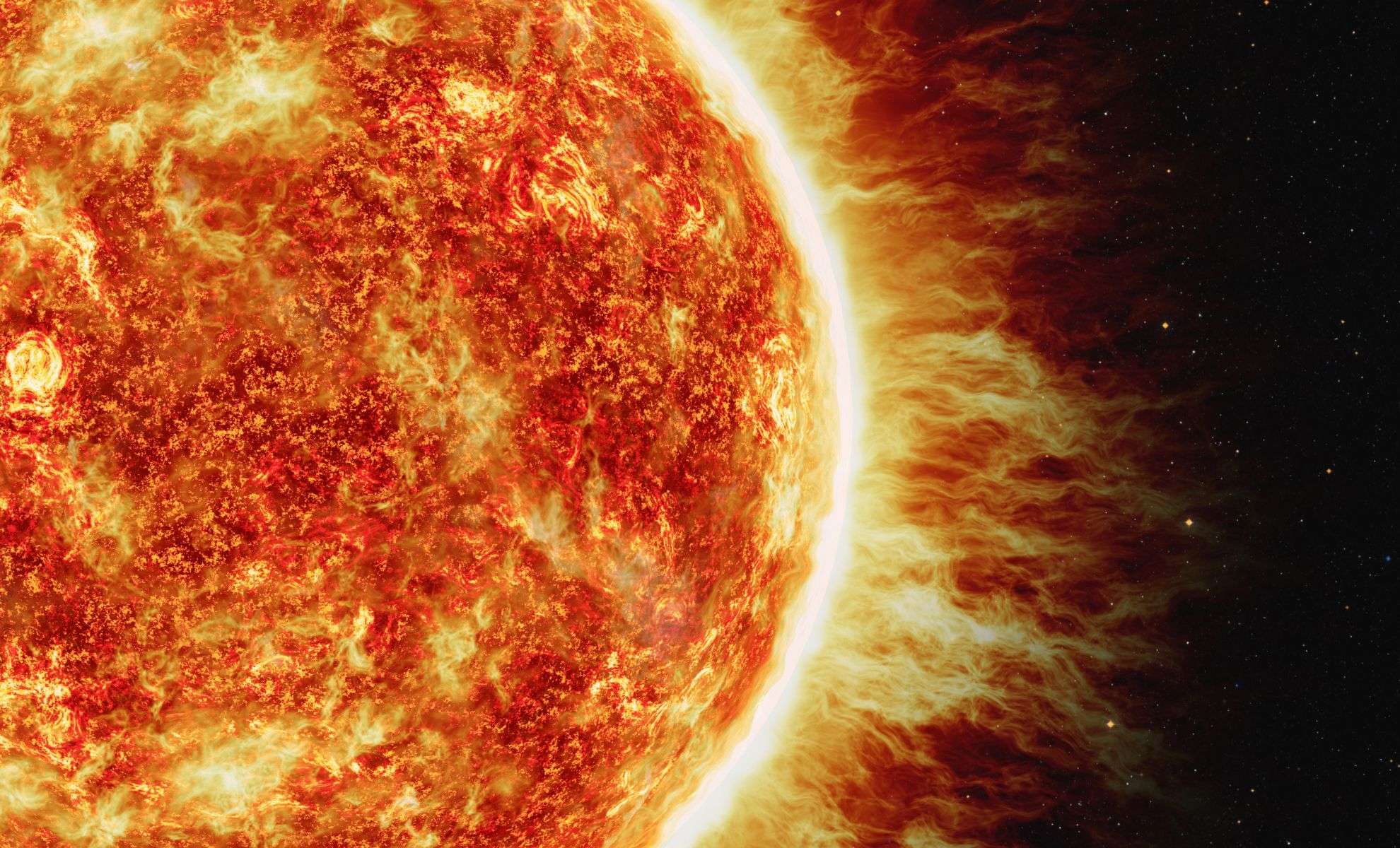
The sun, an ever-changing source of energy for our planet, is exhibiting early indicators that its next solar cycle is beginning, even as the current one continues.
This unexpected finding has important consequences for how scientists interpret solar behavior and predict space weather events.
Experts at the University of Birmingham identified these early signs using sophisticated helioseismic techniques, revealing that the sun’s internal mechanics may be more complex and less predictable than traditionally assumed.

Signs of Solar Cycle 26 Emerging
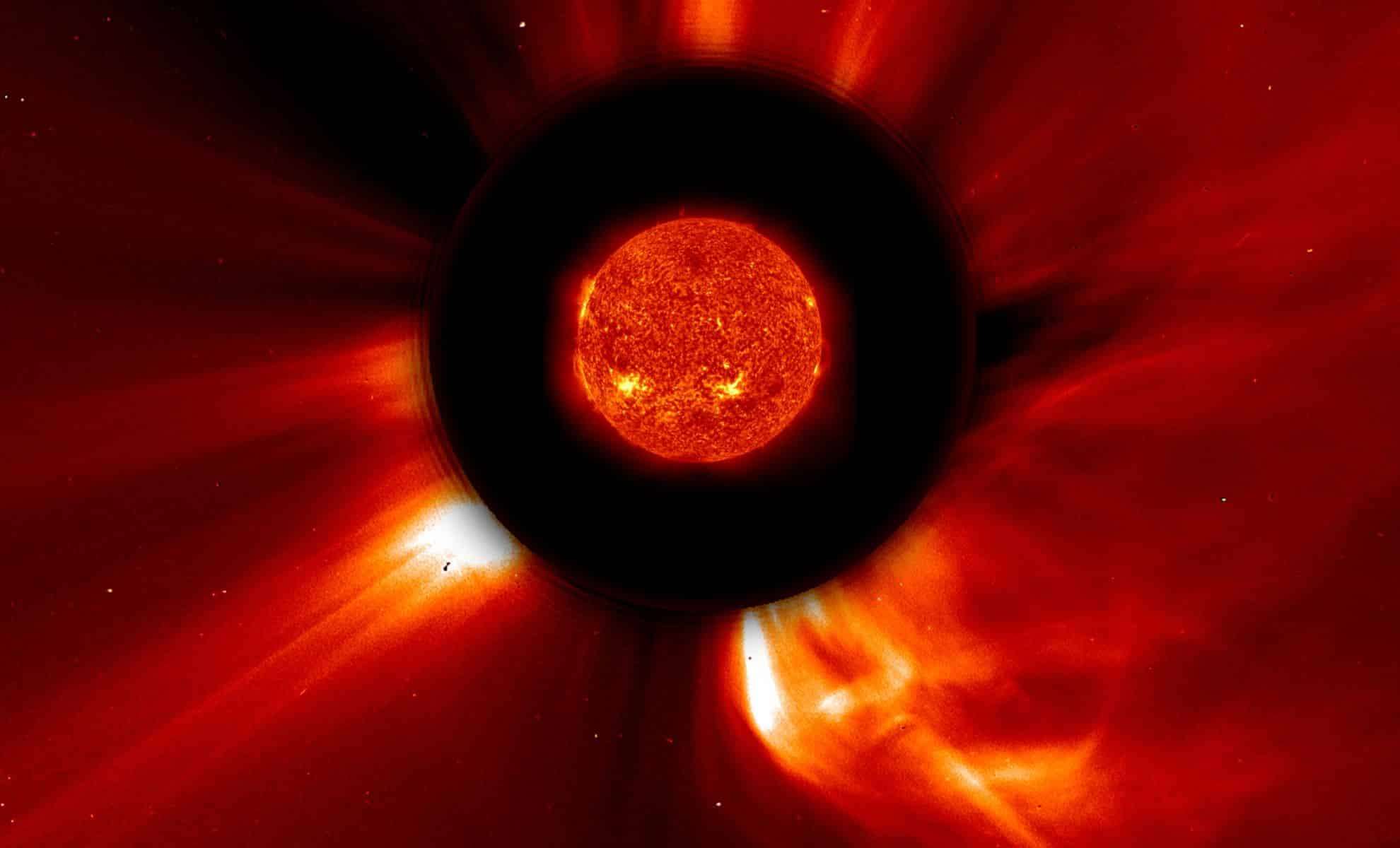
The ongoing solar cycle, Cycle 25, initiated in 2019 and is anticipated to peak around mid-2025 in what is called the solar maximum. At this stage, the sun’s magnetic poles will reverse, triggering heightened solar phenomena such as sunspots, solar flares, and coronal mass ejections (CMEs). Unexpectedly, researchers now report preliminary evidence that Cycle 26 is already starting to develop.
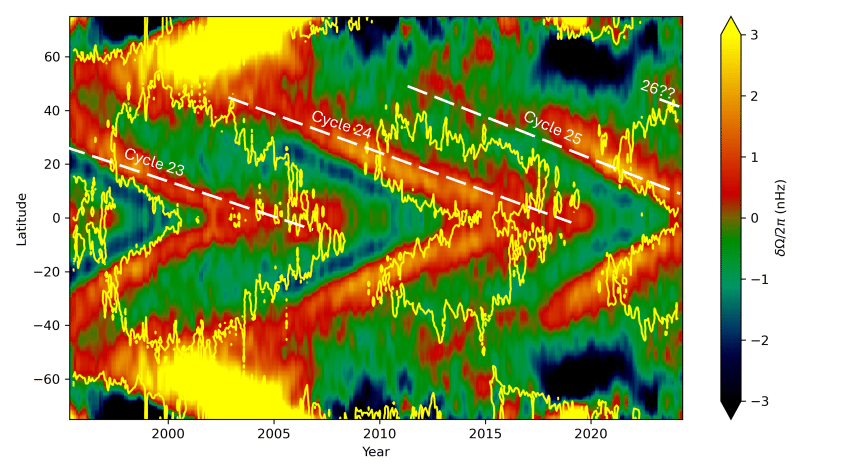
By analyzing helioseismology—the study of sound waves traveling inside the sun—scientists can assess the star’s inner workings. This process is akin to how geologists use seismic waves to explore Earth’s interior. Dr. Rachel Howe, leading the study from the University of Birmingham, explained: “If you examine data from roughly one solar cycle ago—11 years back—you observe a pattern emerging around 2017. That pattern evolved as part of Cycle 25. Currently, we're detecting what appears to be the initial signs of Cycle 26, which officially begins near 2030.”
Understanding Solar Cycles
Solar cycles generally last about 11 years, alternating between phases of intense activity and relative calm. The solar maximum presents increased sunspots, bursts of solar flares, and CMEs, all fueled by the sun’s magnetic field as it shifts polarity. The discovery of early Cycle 26 signals during the height of Cycle 25 highlights that these cycles may overlap and be governed by more intricate processes than once believed.
Solar scientists use sound waves inside the sun to track its rotation, which reveals bands that spin at varying speeds. These torsional oscillations shift toward the sun’s equator and poles during the cycle. Observing faster-spinning bands prior to a cycle's official start often predicts its onset. “Sound wave analysis has uncovered the earliest tremors of the upcoming 11-year solar cycle within our complex star—even as we remain mid-way through the current one,” noted Dr. Howe.
Consequences for Earth and Space Weather
The early emergence of Cycle 26 carries important ramifications for forecasting space weather phenomena. Periods of intense solar activity can interfere with satellite operations, GPS navigation, and electrical power systems on Earth. Moreover, augmented solar activity frequently results in spectacular auroral displays as charged solar particles engage with Earth’s magnetic environment.
Dr. Howe and colleagues analyzed torsional oscillation data sourced from the Global Oscillation Network Group (GONG), the Michelson Doppler Imager (MDI) on SOHO, and the Helioseismic and Magnetic Imager (HMI) aboard the Solar Dynamics Observatory (SDO). Their findings support the early presence of Cycle 26. Dr. Howe remarked, “It's thrilling to see the initial indications that Cycle 26's pattern is taking shape, expected to officially begin in about six years. Further data will enhance our understanding of how plasma flows and magnetic fields interact within the solar cycle.”
Preparing for Upcoming Solar Activity
With Cycle 26 already underway, scientists and engineers face the challenge of managing possible overlaps of increased solar activity. Deepening knowledge of the solar cycle’s mechanisms is vital for improving space weather predictions and safeguarding Earth’s technology. Continuous observation from missions such as SDO and terrestrial observatories delivers crucial insights for anticipating solar behavior and protecting essential infrastructure.
The research shared at the Royal Astronomical Society’s National Astronomy Meeting highlights the value of collaborative efforts and ongoing solar research. Enhancing our comprehension of solar cycles enables better preparation for the effects of space weather. Dr. Howe emphasized, “Additional data will help clarify the role of plasma flows and magnetic interactions in the solar cycle’s complex rhythm.”
- Categories:
- Astronomy ,
- News ,
- Science ,
- Nasa ,
- Physics








0 comments
Sign in to Comment