
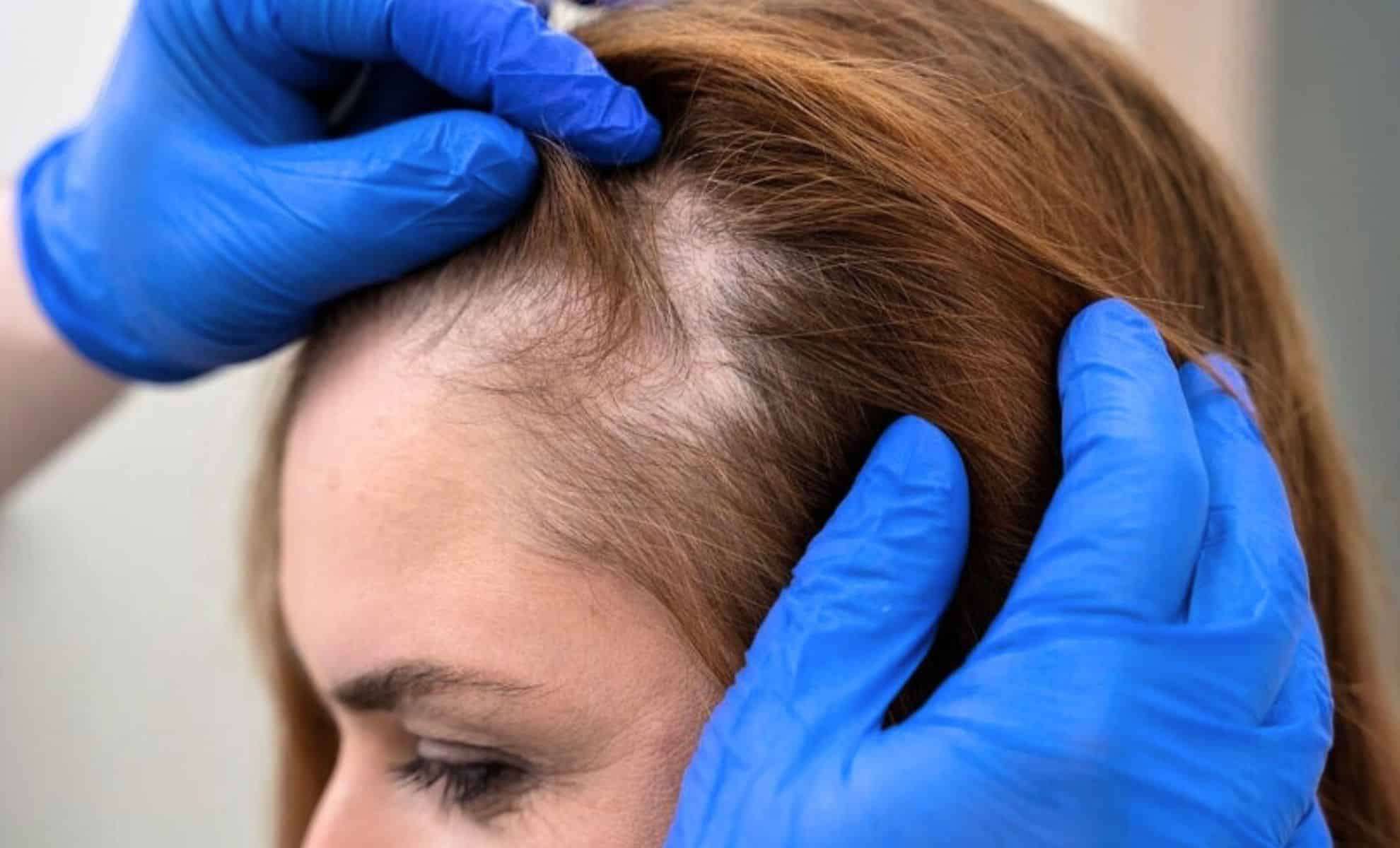
Researchers have unveiled a promising new approach to tackling genetic hair loss, a condition impacting millions worldwide. Preliminary studies indicate that deoxyribose, a naturally occurring sugar molecule, might significantly enhance hair regeneration.
Unexpected Findings in Hair Regrowth
This discovery originated from a collaboration between the University of Sheffield in the UK and COMSATS University Islamabad in Pakistan. Scientists were initially examining the wound-repair effects of deoxyribose, a sugar integral to DNA structure.
During experiments applying the sugar to skin wounds on mice, researchers noticed an unexpected phenomenon: hair surrounding the injured areas grew back markedly quicker compared to untreated regions. This observation sparked interest in exploring deoxyribose’s role in hair follicle stimulation.

Mouse Model Experimentation
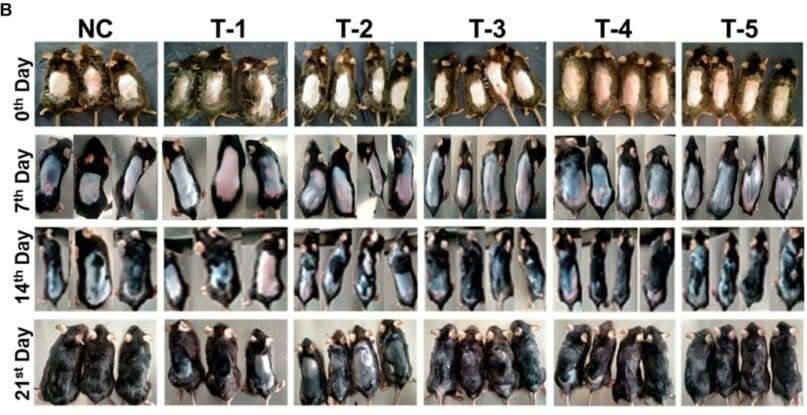
A study published in June 2023 focused on male mice exhibiting testosterone-driven hair thinning, a standard model for male-pattern baldness. Researchers shaved the mice’s backs and applied a gel containing deoxyribose sugar each day.
Important Findings:
- Accelerated hair growth: Within 20 days, treated mice showed substantial fur regrowth, with longer and thicker hairs appearing in treated zones.
- Effectiveness comparable to minoxidil: The sugar-infused gel matched the performance of minoxidil, an FDA-approved hair regrowth medication.
- Combination treatments no stronger: Using deoxyribose gel alongside minoxidil did not enhance outcomes beyond each product’s individual results.
Unraveling the Mechanisms
The exact processes remain unclear, but the research team observed increased growth of blood vessels and skin cells in areas treated with the gel. This likely improves circulation around hair follicles, encouraging denser and healthier hair development.
“The better the blood supply to the hair bulb, the larger its diameter and the more hair growth,” explained lead researcher Muhammad Anjum of COMSATS University.
Implications for Hair Loss Treatments
Androgenic alopecia is a prevalent condition influenced by genetics, hormones, and the aging process. It affects nearly 40% of people worldwide and manifests differently across genders.
Currently Available Options:
If successful in human trials, the deoxyribose gel could offer an alternative treatment. Researchers also consider its potential for encouraging hair regrowth in patients recovering from chemotherapy or dealing with alopecia areata.
Future Directions
This research represents an early but promising step toward harnessing deoxyribose as a hair restoration agent. Further testing is needed to confirm its benefits in humans, as current findings are limited to male mouse models.
“These results are preliminary,” cautioned MacNeil, a contributor to the study. “Nevertheless, they provide a strong foundation for additional exploration.”
Upcoming studies aim to evaluate effects on female subjects and human cases of androgenic alopecia, potentially broadening treatment accessibility.
For now, this sugar offers hope to many seeking effective and non-invasive solutions for hair loss.
The full research is available in Frontiers in Pharmacology.










0 comments
Sign in to Comment