
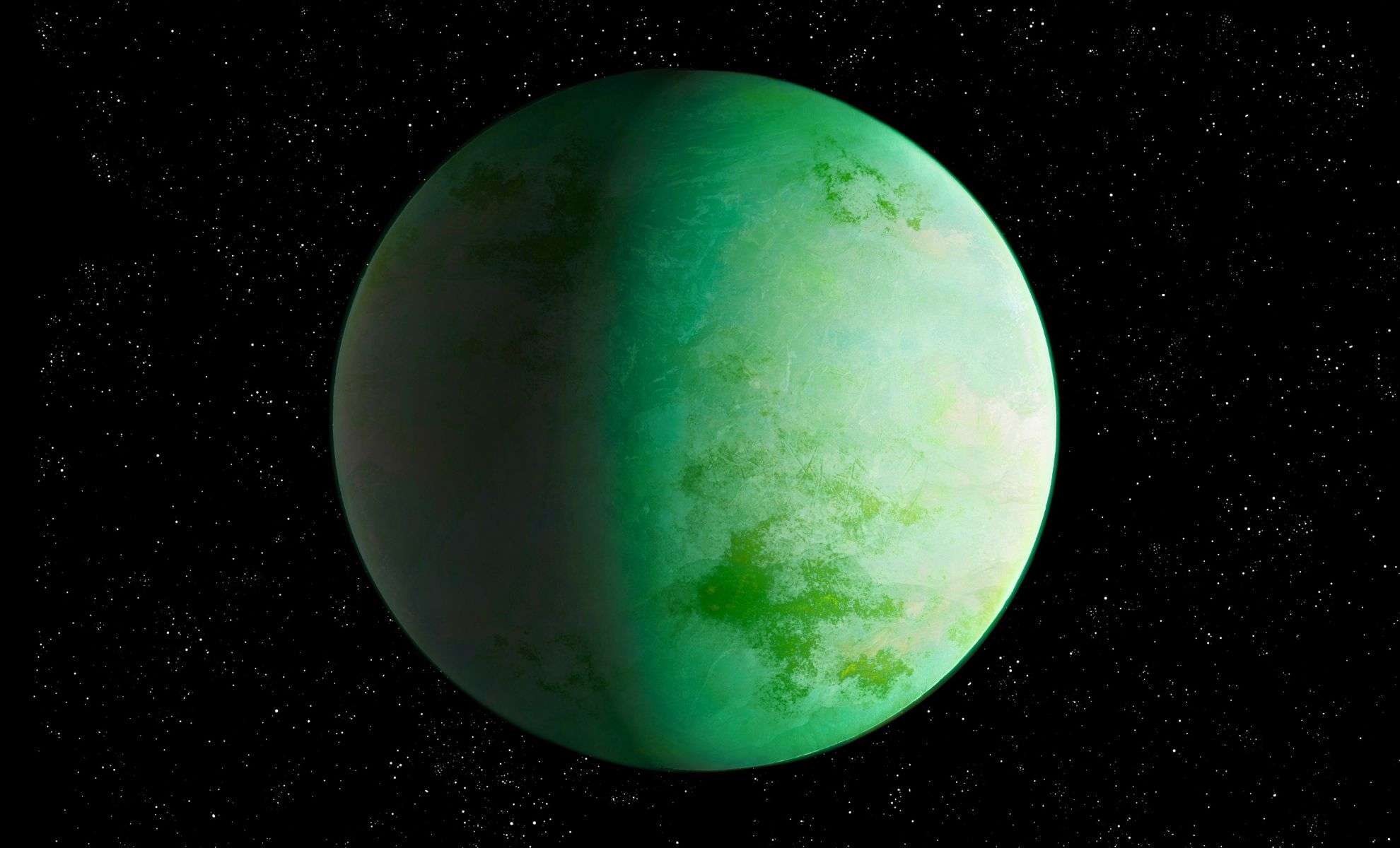
A recently identified exoplanet, strikingly analogous to Earth, has captured scientific attention after more than twenty years of detailed astronomical investigations. Named GJ 251 c, this world resides in the habitable zone of a nearby red dwarf star, suggesting it might have the essential conditions to support life. Researchers remain cautiously hopeful as they anticipate further study.
Following over two decades of precise monitoring, astronomers have validated an Earth-sized planet orbiting a red dwarf star located approximately 18 million light-years from Earth. This newly discovered exoplanet, GJ 251 c, exhibits characteristics that position it as a strong contender for habitability.
Utilizing the Habitable Zone Planet Finder, this breakthrough strengthens the ongoing quest to locate worlds that might harbor life beyond our solar system. Although scientists are enthusiastic, they emphasize the need for additional research to verify atmospheric components or signs of life.

Two Decades of Diligent Exploration Leads to Breakthrough
NotebookCheck reports that the detection of GJ 251 c culminates twenty years of focused observations targeting planetary systems around red dwarf stars. These stars, smaller and cooler than our Sun, have garnered interest due to their relative stability and abundance in the galaxy.
Credit is given to the Habitable Zone Planet Finder, an advanced infrared spectrograph, for enabling this discovery. By detecting subtle star movements caused by the gravitational tug of orbiting planets, the instrument confirmed the presence of GJ 251 c.
A Position Favorable for Life
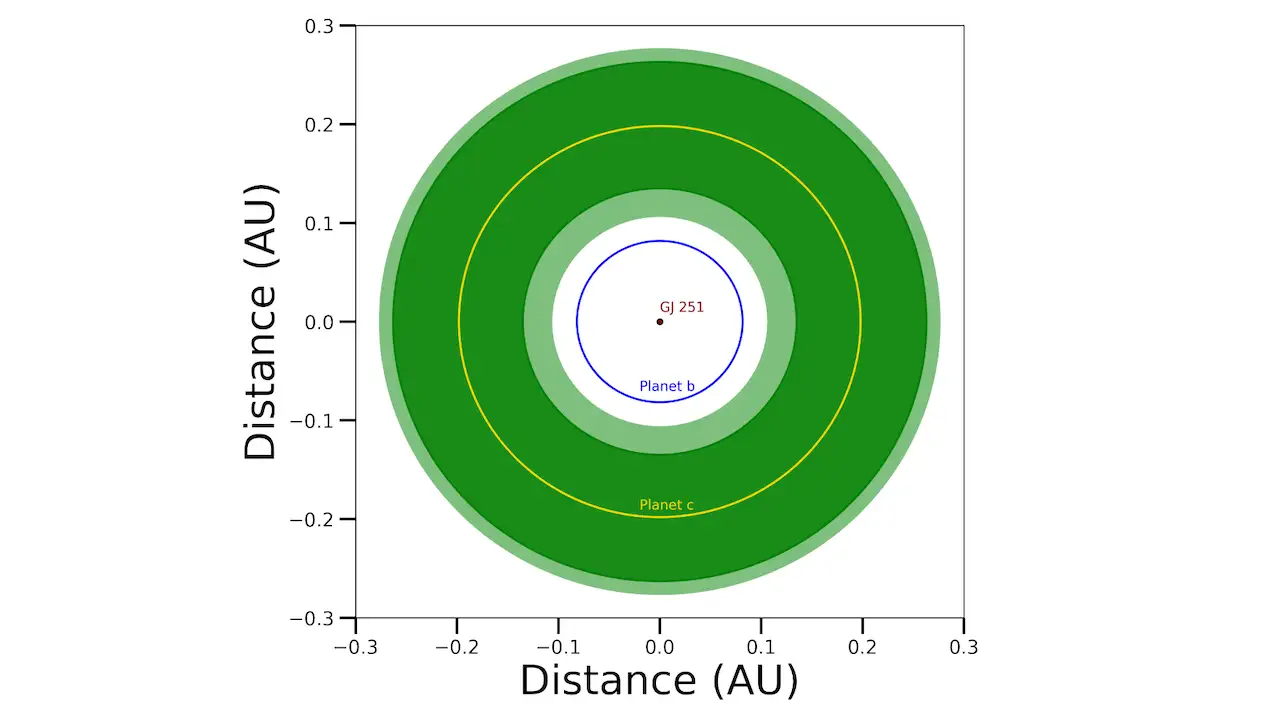
A key attribute of GJ 251 c is its location within the so-called habitable zone, the orbital region around a star where temperatures could allow the existence of liquid water. Situated about 12 million kilometers from its red dwarf host star, which has only 36% of the Sun’s mass and roughly half its surface temperature, GJ 251 c occupies a potentially supportive environment.
Although this star emits less energy than the Sun, the close orbit of GJ 251 c – completing a revolution in just 14 days – maintains conditions that astrobiologists find promising for habitability.
Ongoing Investigations Into the Planet’s Potential
The astrophysicist Suvrath Mahadevan from the Consortium for Planetary and Exoplanetary Science and Technology remarked:
“This discovery represents one of the best candidates in the search for atmospheric signatures of life beyond Earth in the next five to ten years,” a statement cited by NotebookCheck.
Scientists maintain realistic hopes, noting that confirming an atmosphere or detecting biosignatures on GJ 251 c will rely on future explorations employing next-generation telescopes with advanced spectroscopic capabilities, according to a study published in IOPscience.
This discovery marks a significant milestone in the study of exoplanets, representing the culmination of decades of effort and bringing humanity closer to finding life beyond our solar system.
- Categories:
- Space













0 comments
Sign in to Comment