
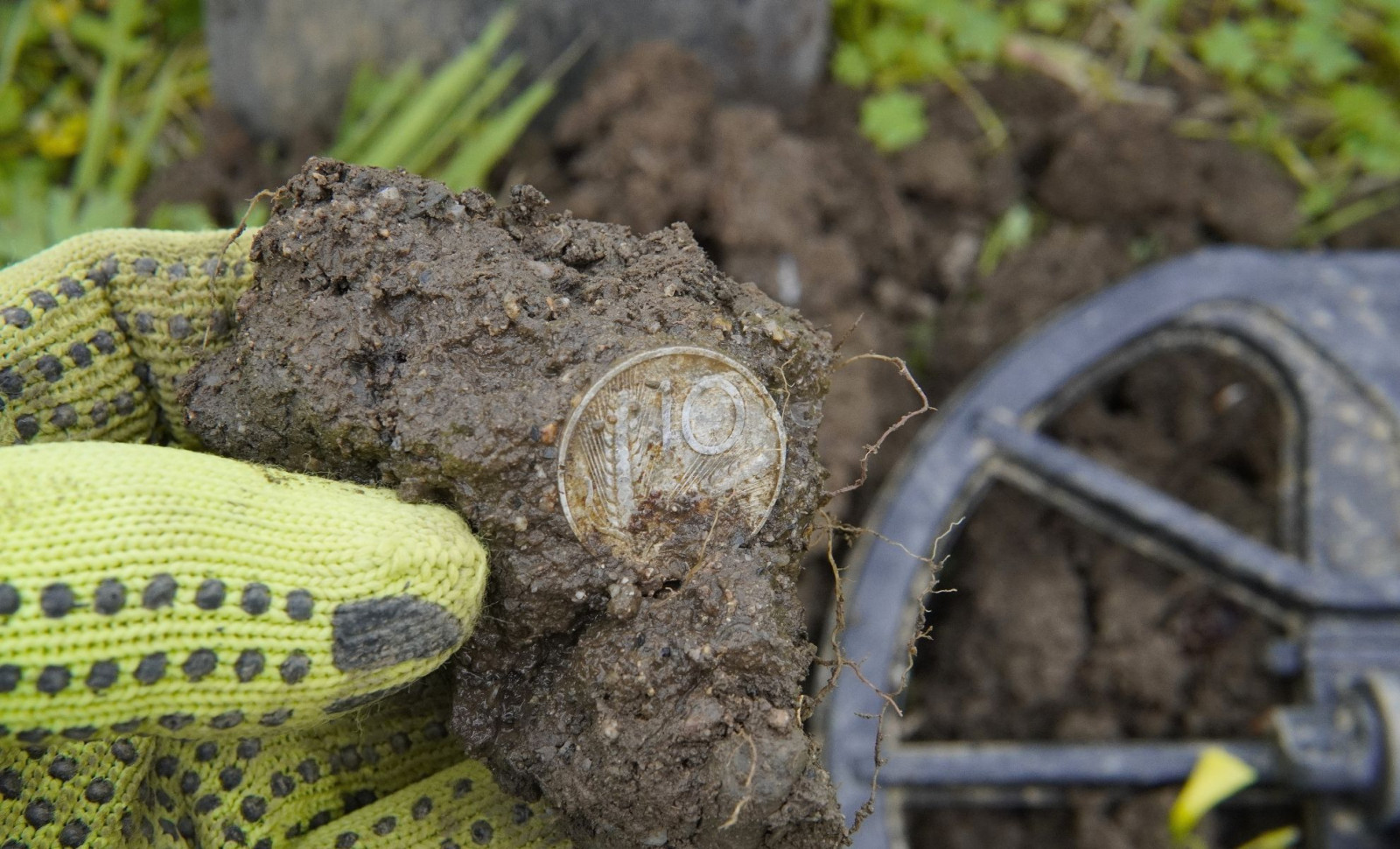
A metal detecting enthusiast in southwestern Norway recently uncovered what initially seemed to be an old clothing button, but further analysis revealed it to be an incredibly rare medieval coin. This find, near the historic Utstein Abbey, highlights how long-term alterations can transform the appearance of ancient artifacts. It also expands the known collection of one of Norway’s most uncommon medieval coin types, with just a few similar specimens recorded until now.
The item was unearthed by members of the Rygene Detection Club while exploring a field close to the abbey. Found at a depth of around 10 to 15 centimeters, the object resembled a post-medieval button, showing a shiny silver tone on one side and covered by copper on the other, which initially concealed its true, much older identity.
Detectorist Morten Eek chose to keep the find despite its unremarkable look. Several months later, he and his fellow club members spotted a cross on one face, prompting them to reach out to experts at the Museum of Archaeology at the University of Stavanger. The specialists confirmed the object was, in fact, a rare silver coin.

Copper Overlay Hid the Coin’s True Identity for Centuries
Researchers at the museum concluded that the coin had been purposely modified. A copper layer was affixed to one side and its edges folded around the coin, altering its appearance to resemble a button.
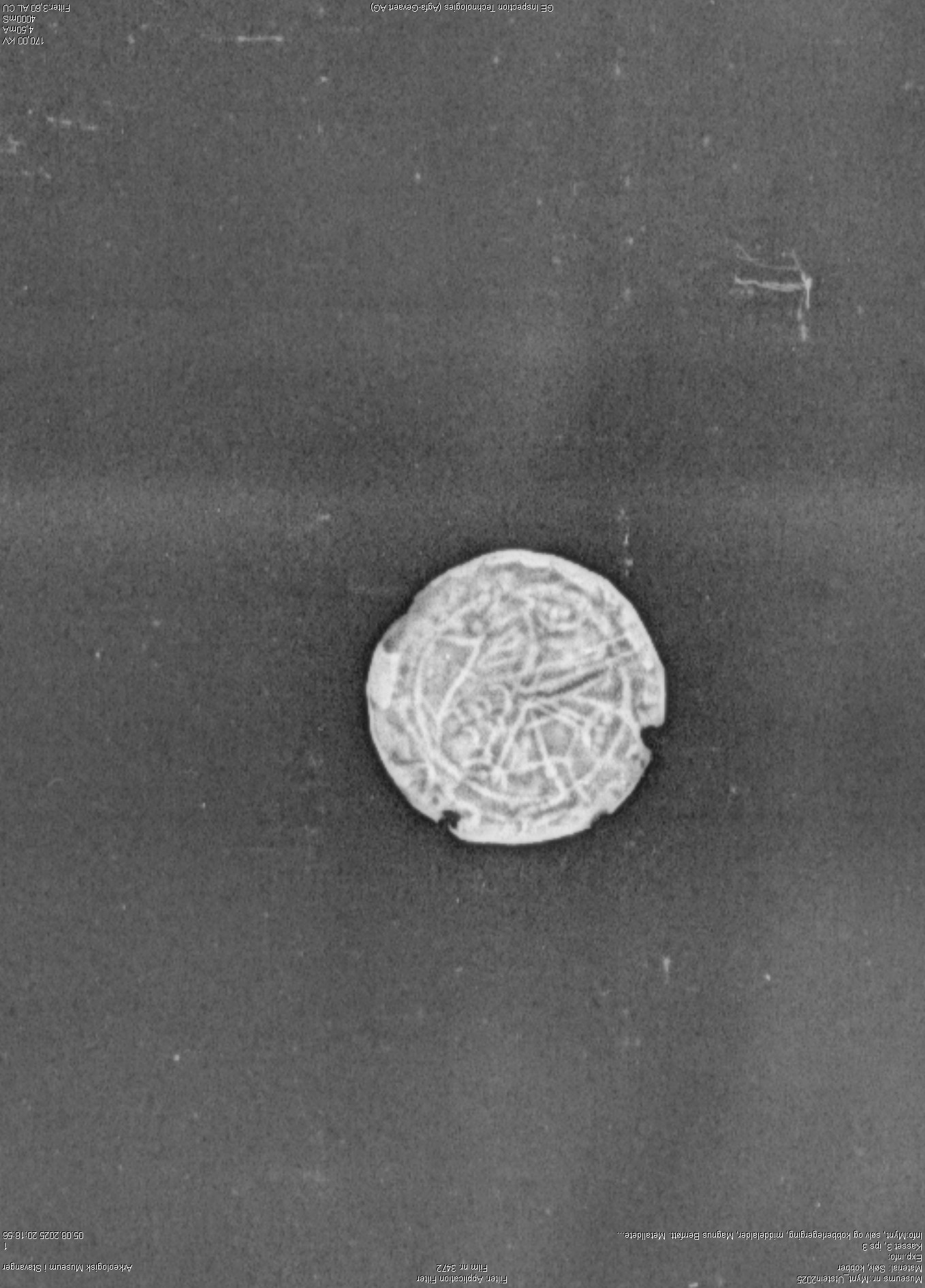
Rather than removing the copper cover, the team opted to preserve the artifact in its altered condition, emphasizing that this transformation represents a unique chapter in its history. They utilized X-ray imaging to reveal the coin’s hidden features without damaging it.
The archaeological report, available on the Museum of Archaeology at the University of Stavanger (UiS) website, revealed the coin was originally stamped on both faces. The X-rays showed an image resembling a griffin beneath the copper plate, while the visible side bears a cross typical of Norwegian coins from the late 11th to early 12th centuries. There is also a fragmentary inscription along the edge, although it is too incomplete to be read confidently.
Medieval Coin Linked to King Magnus Barefoot
This coin dates back to the reign of King Magnus Barefoot, who ruled Norway from 1093 to 1103. During his rule, he launched campaigns to increase Norwegian control over territories including the Hebrides, Isle of Man, and Ireland.
Historians also note that Magnus implemented a significant reform of the currency system by minting lighter coins that maintained a high silver content. These changes produced coins considered superior in quality to previous issues.
The distinct features of this monetary reform aided researchers in identifying the coin, despite the modifications that obscured much of its original design and complicated initial recognition.
Among the Rarest Coins Found in Norway
This addition belongs to an extraordinarily scarce class of medieval Norwegian coins. According to the museum, only four other identical coins have been discovered previously, all located in Denmark and the Faroe Islands.
Researchers suggest that the newly found coin near Utstein Abbey may have been created using the same die as one of the Danish specimens. Their findings also state that just around one hundred coins associated with Magnus Barefoot remain known today, with very few uncovered in Norwegian soil.
- Categories:
- News




0 comments
Sign in to Comment