
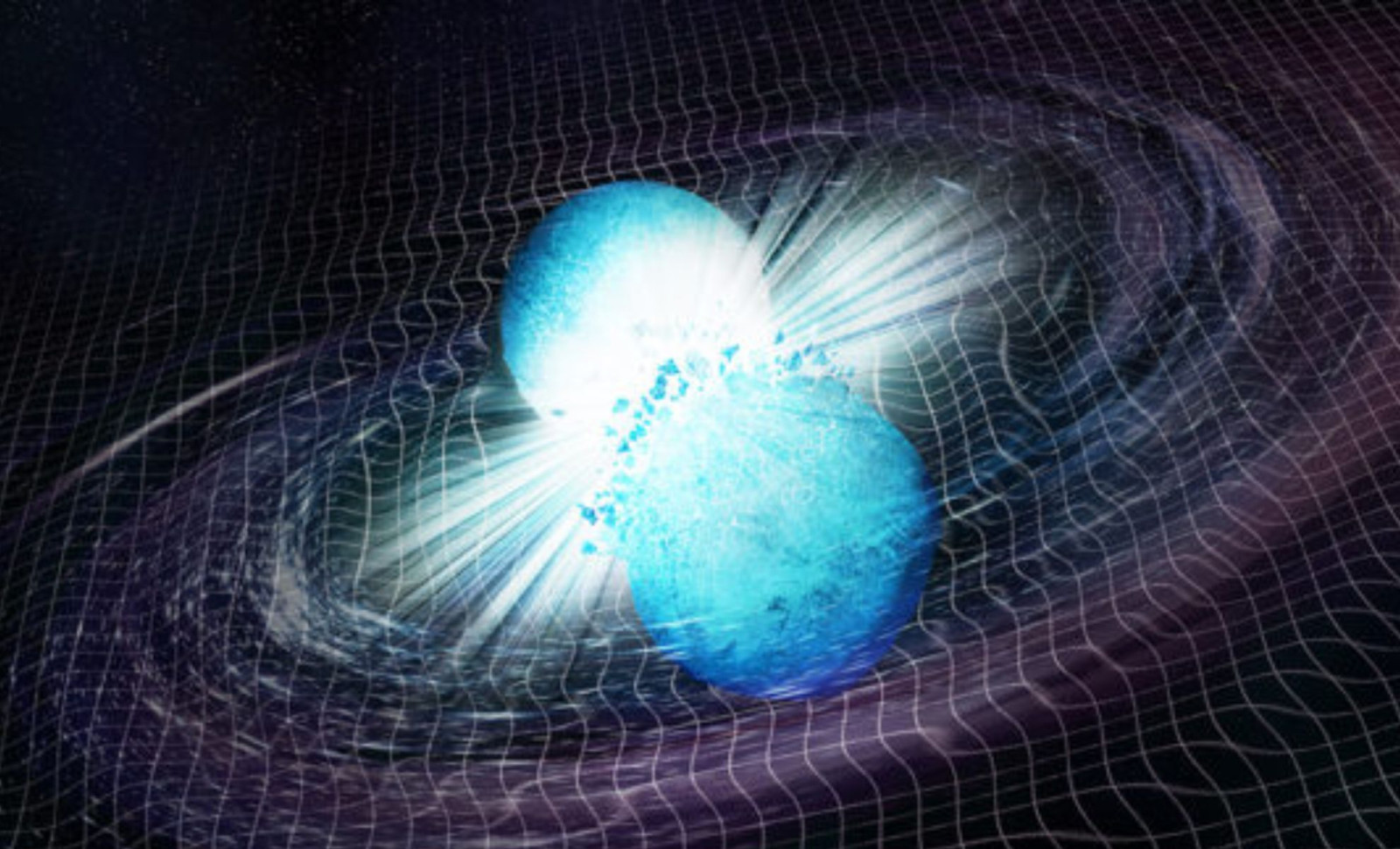
Researchers have conducted a fresh investigation into the neutron star merger event GW170817, providing the most refined measurement to date of the Hubble constant derived from gravitational waves. Published in The Astrophysical Journal, the findings offer an additional independent perspective to a long-standing dispute in cosmology.
The Hubble constant quantifies the rate at which the universe expands. It plays a crucial role in estimating distances and dimensions of celestial bodies throughout space, standing as a fundamental parameter in astrophysics. However, despite extensive research, there remains a lack of consensus on its definitive value.
This discord, termed the Hubble tension, has intensified as measurement techniques have become increasingly precise. One approach analyzes the cosmic microwave background radiation, a relic from the Big Bang, while another uses observations of local celestial objects like variable stars and supernovae. Rather than converging, these methods yield divergent results.

Insights From a Remarkable Cosmic Collision
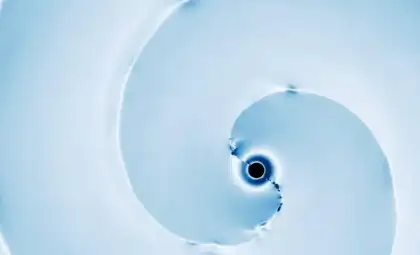
Gravitational waves offer an innovative method to gauge cosmic expansion. These distortions in spacetime arise when dense objects such as neutron stars or black holes merge.
The event GW170817, detected in 2017, marked a pivotal milestone by capturing both gravitational waves and electromagnetic signals from the merger of two neutron stars. This dual detection enabled pinpointing the host galaxy, enhancing the event's significance for cosmological measurements.
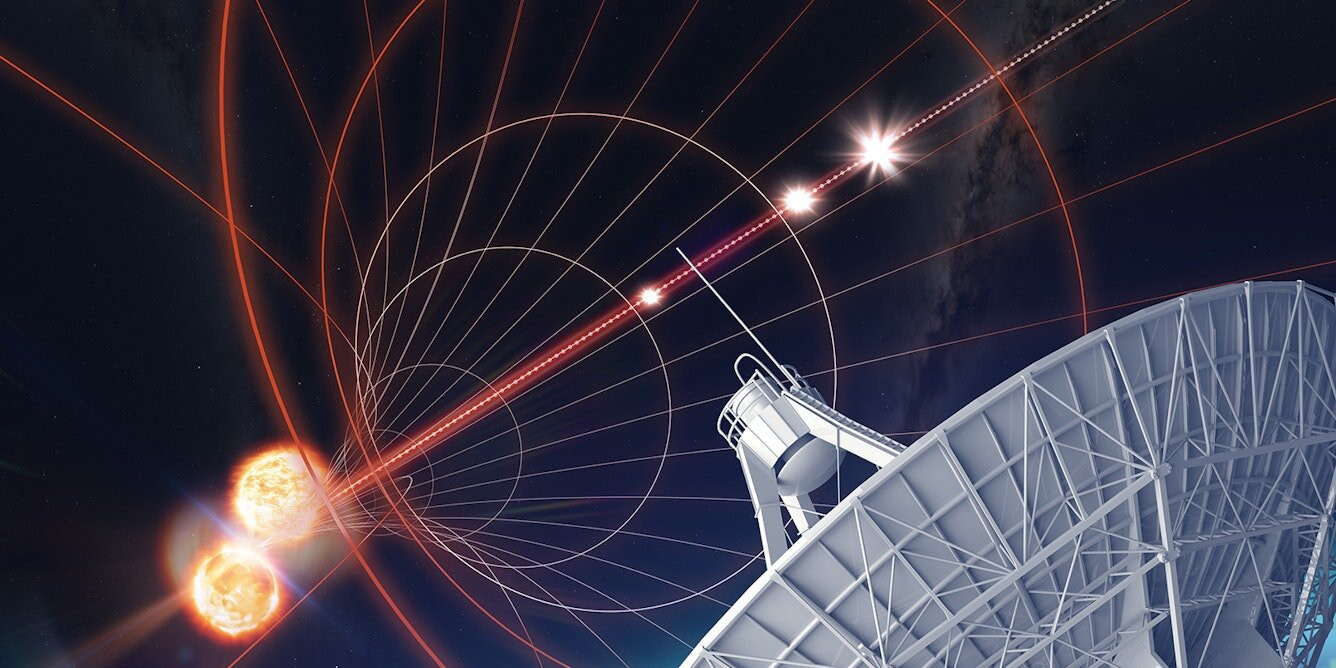
The research details how merging gravitational wave data with observations of the host galaxy allowed the Hubble constant to be determined through a technique grounded in Einstein's gravitational theory. Early estimates placed the constant between the conflicting values, leaving the core issue unresolved.
Achieving Greater Accuracy
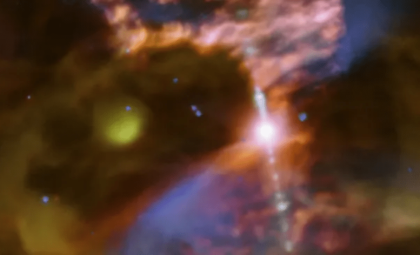
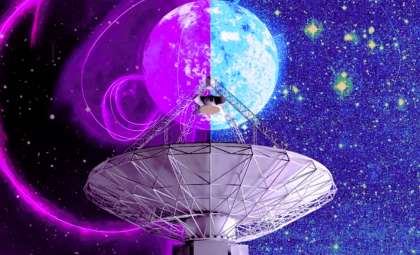
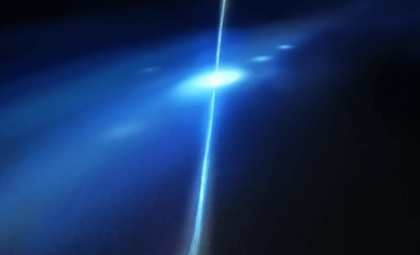
Ongoing studies of GW170817 have tracked the rapid jet of charged particles emitted post-merger using a worldwide array of radio telescopes, revealing intricate details about its dynamics.
The latest research revisited these observational data applying enhanced models, advanced statistical techniques, and a more thorough consideration of uncertainties. The team also identified that some previous models failed to align satisfactorily with the observations.
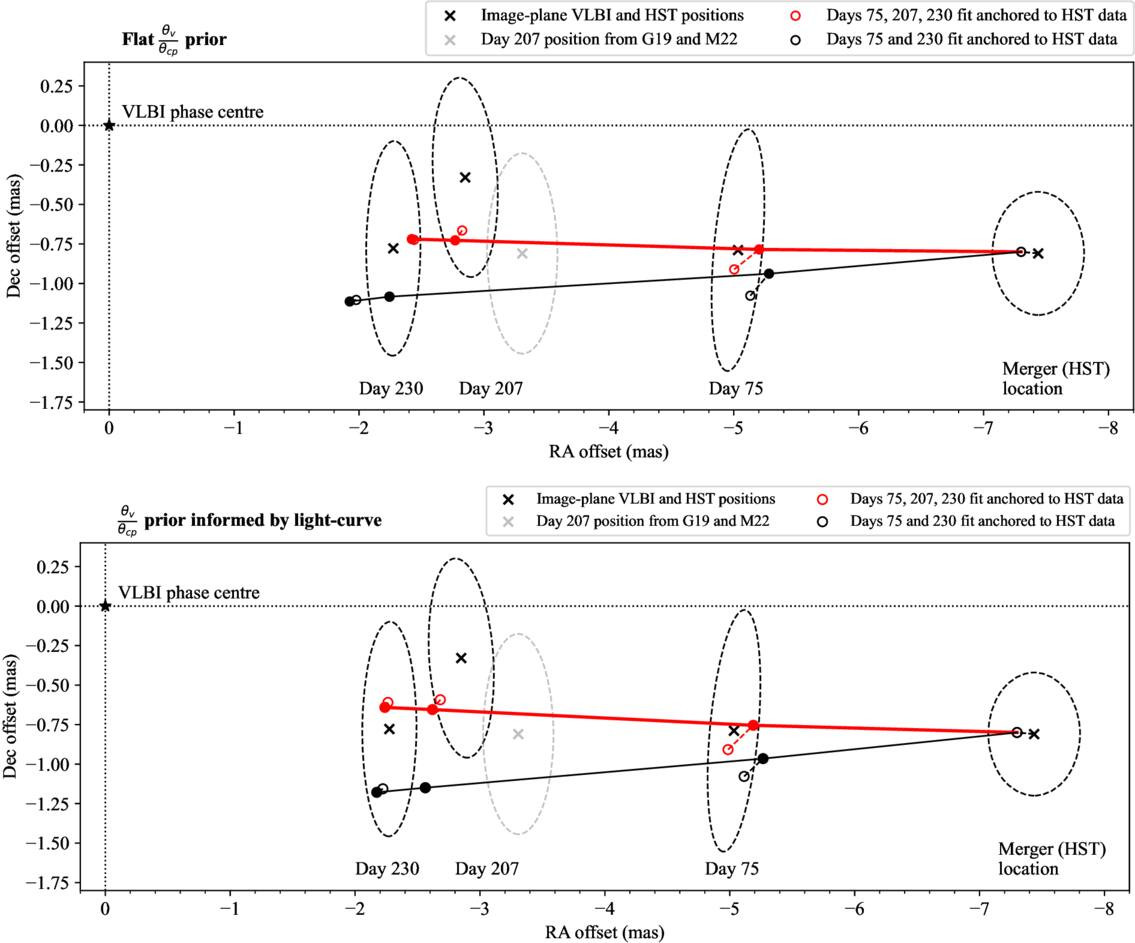
Through this refined analysis, the team reports the most precise gravitational-wave measurement from GW170817 to date. Their estimate places the Hubble constant between 61 and 70 kilometers per second per megaparsec, enhancing the accuracy over prior findings derived from this same merger.
Contributions Toward Resolving the Hubble Tension
While this updated measurement does not conclusively resolve the Hubble tension, it enriches the array of independent data points. Current measurements of the cosmic microwave background suggest a Hubble constant near 67 to 68 kilometers per second per megaparsec, whereas studies based on pulsating stars and supernovae in the nearby universe yield higher values around 72 to 74 kilometers per second per megaparsec.
The researchers highlight that their gravitational-wave-based estimate aligns more closely with values from observations of the distant universe, despite being derived from a relatively local event. This might indicate subtle calibration challenges affecting local-universe measurement techniques.
Nonetheless, the team acknowledges that their result remains roughly four times less precise than the best nearby-universe determinations. Detecting more neutron star mergers with gravitational wave signals will be essential to refine the Hubble constant further and help unravel this cosmological puzzle.
- Categories:
- Space




0 comments
Sign in to Comment