
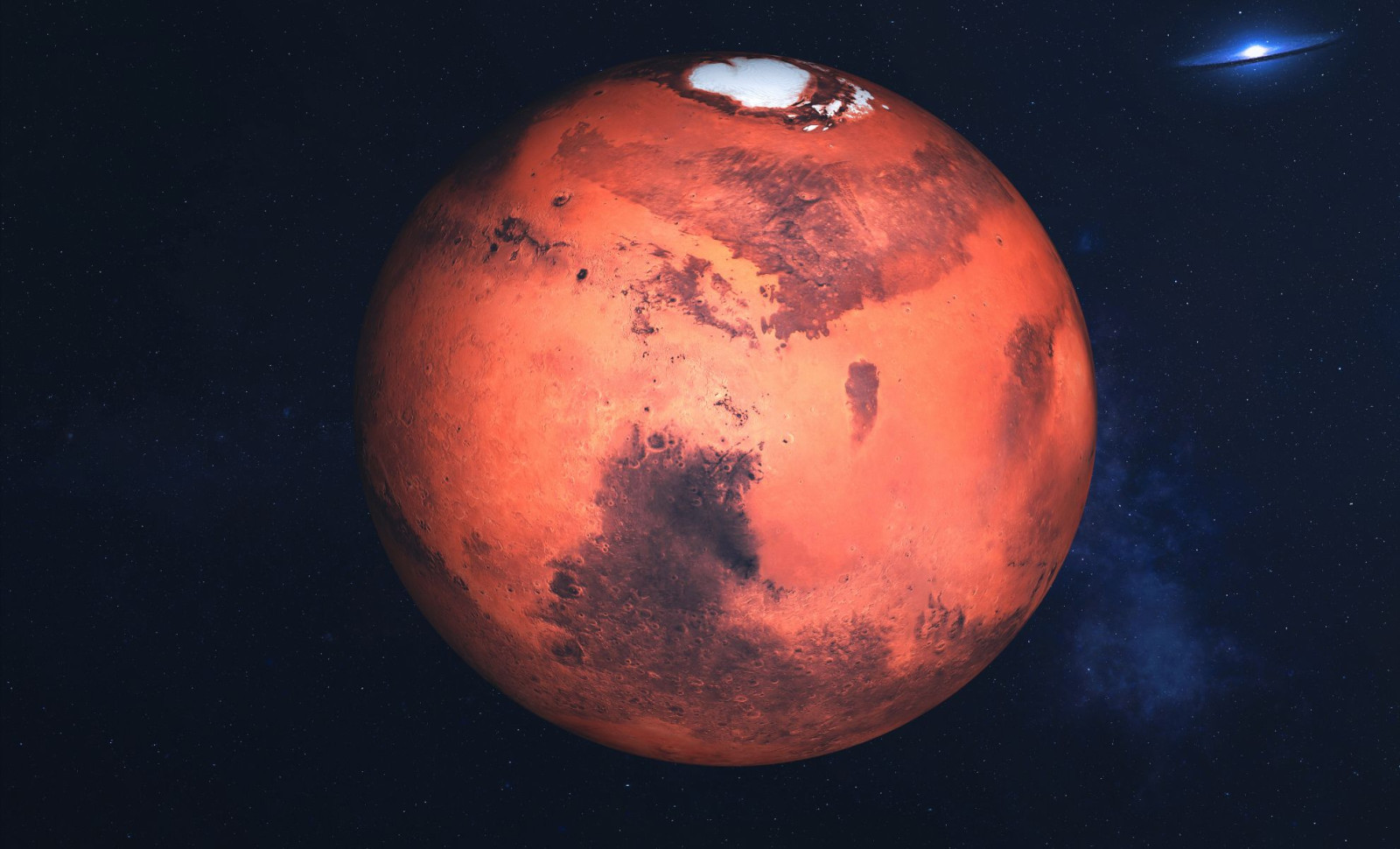
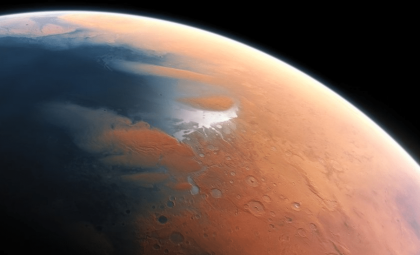
NASA has commissioned Firefly Aerospace to craft the aeroshell for its upcoming Skyfall mission, which aims to launch in 2028 bound for Mars. During its atmospheric descent, the spacecraft will deploy three helicopters that will begin the immediate search for water ice on the Red Planet.
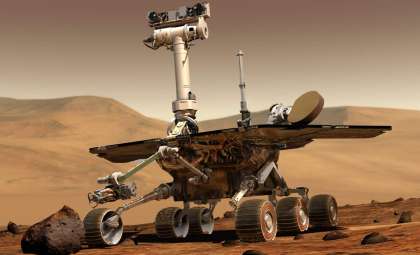
The Skyfall mission offers an innovative take on Mars exploration. Instead of landing a rover or a traditional spacecraft, NASA intends to release three helicopters while the vehicle is still descending through Mars' atmosphere. These drones are modeled after Ingenuity, the compact helicopter that accompanied the Perseverance rover.
This approach demands an entry system capable of withstanding Mars' harsh entry conditions. NASA has selected Firefly Aerospace to develop this system with a $13 million subcontract issued by the Jet Propulsion Laboratory (JPL), according to official reports.

Firefly’s Integral Role in the Mission
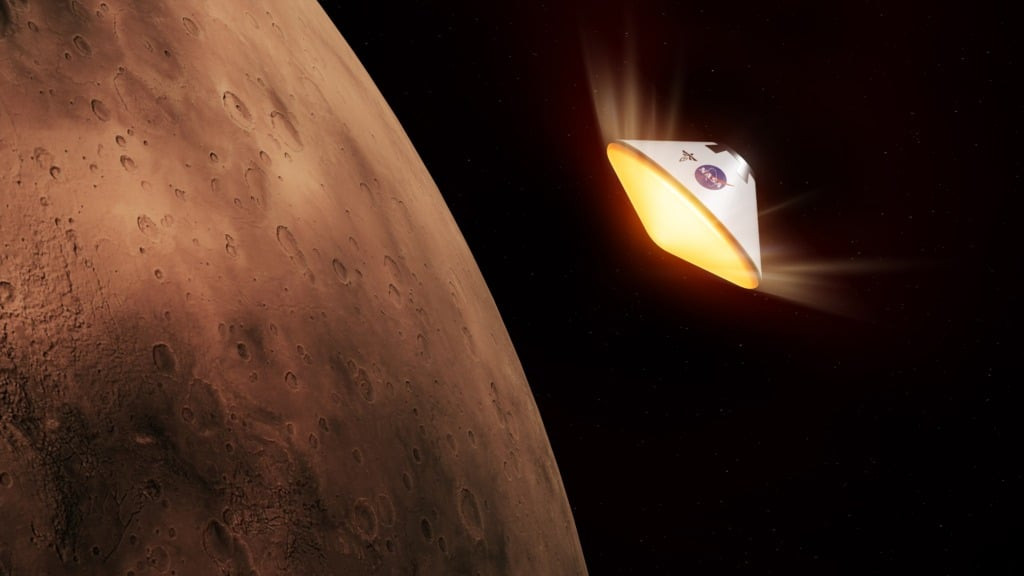
Firefly Aerospace will be responsible for designing and producing the aeroshell that shields the Skyfall spacecraft during atmospheric entry. This protective system, comprising both a heat shield and a backshell, ensures the spacecraft endures extreme temperatures while maintaining its correct descent trajectory. The initiative will commence at Firefly's Gloworks facility in Texas, as detailed in a press release by Firefly Aerospace.
“Our deep expertise in building large composite structures for both spacecraft and rockets gives us a unique advantage to enable critical planetary missions like SkyFall. We’re further innovating these core technologies through Gloworks to push the boundaries of what’s possible and open new frontiers across our solar system,” noted Shea Ferring, Chief Technology Officer at Firefly Aerospace.
Following the design phase, production and testing will take place at Rocket Ranch in Briggs, Texas, prior to the aeroshell's delivery to JPL for spacecraft integration. Firefly will leverage its expertise from previous projects including the Blue Ghost lunar lander and its Alpha and Eclipse launch systems.
Deploying Three Helicopters in Mars’ Atmosphere
Skyfall adopts a novel landing strategy, wherein the spacecraft will dispatch its trio of helicopters during descent rather than after landing. NASA refers to this procedure as the “SkyFall Maneuver.”
The helicopters resemble Ingenuity, which was delivered to Mars alongside the Perseverance rover. According to the same source, these airborne drones will commence flights immediately after release and utilize on-board prospecting instruments for surface resource mapping.
NASA aims to capitalize on this data to locate water ice deposits on Mars. The collected information will assist scientists in pinpointing potential sites for future human missions and showcase the effectiveness of the helicopters’ prospecting tools.
Building on Blue Ghost’s Success
Firefly highlights that the Skyfall contract draws from lessons learned during its Blue Ghost mission. Launched in January 2025, the lunar lander successfully touched down on the Moon about two months later.
Blue Ghost achieved the distinction of being the second commercial spacecraft to perform a controlled soft landing on the lunar surface. Firefly anticipates that the experience gained will aid in advancing future space exploration endeavors.
“We’ve proved our ability to execute off-Earth missions at a fraction of the cost and timeline through our successful Blue Ghost lunar mission,” said Ray Allensworth, Firefly’s vice president of spacecraft.
- Categories:
- Nasa



0 comments
Sign in to Comment