
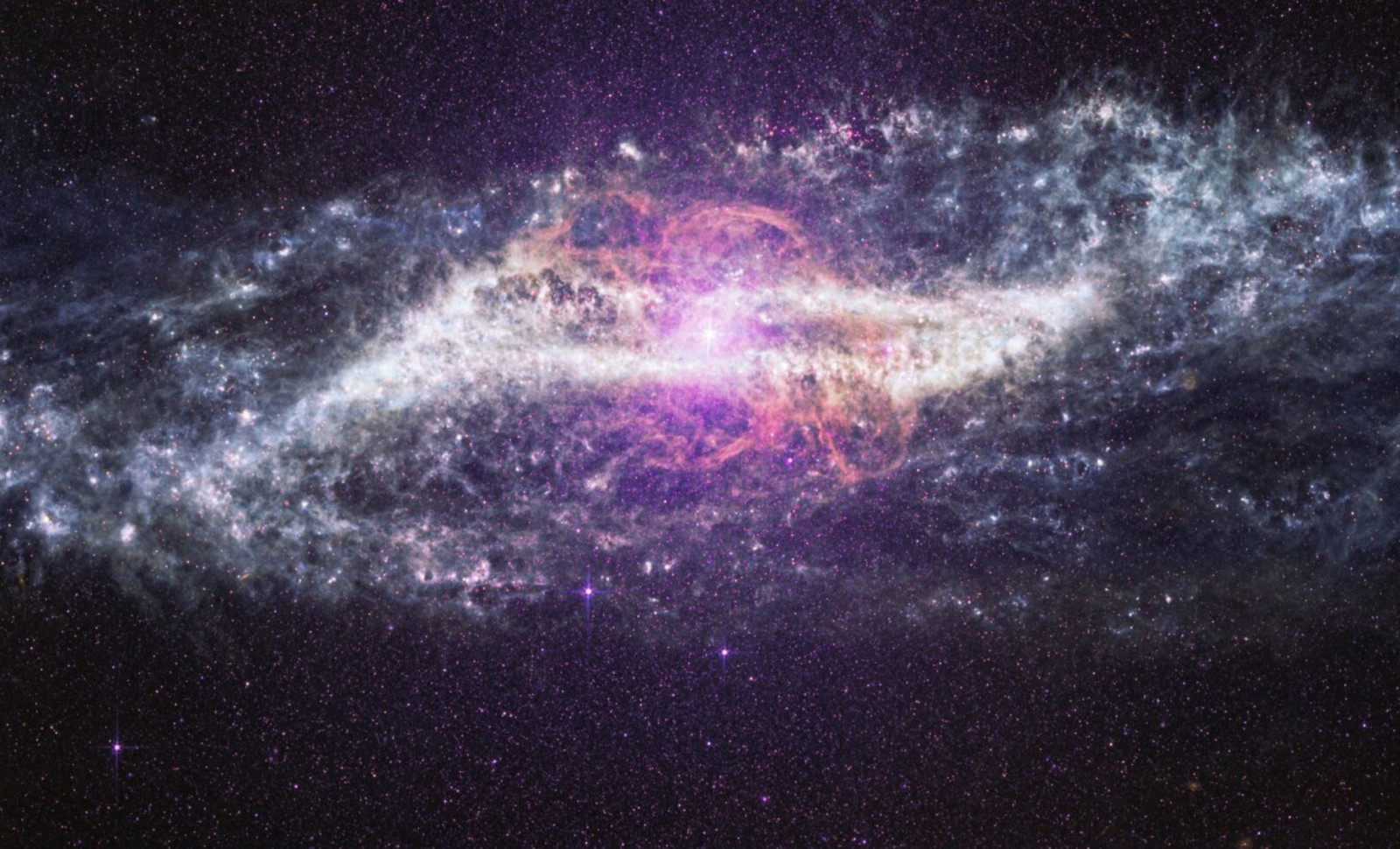
The James Webb Space Telescope has shed new light on the enigmatic galaxy Centaurus A, exposing features concealed for years beneath thick cosmic dust. Using Webb’s powerful infrared imaging, NASA reveals how a colossal galactic merger, an energetic supermassive black hole, and continuous star birth shape the galaxy’s form, located approximately 11 million light-years away.
A Neighboring Galaxy with a Turbulent History
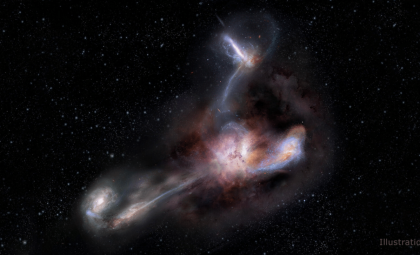
Centaurus A, relatively close in cosmic terms, has intrigued astronomers due to its irregular shape, which records the aftermath of a massive collision with another galaxy about two billion years ago. This event left behind an intricate blend of dust, gas, stars, and dynamic phenomena.
Prior to Webb, the galaxy’s core was largely obscured. Thick dust lanes blocked visible light, preventing clear views of its inner regions. While telescopes like the Hubble Space Telescope and the now-retired Spitzer Space Telescope unveiled parts of Centaurus A’s structure, they lacked the combined clarity and infrared capability Webb provides.

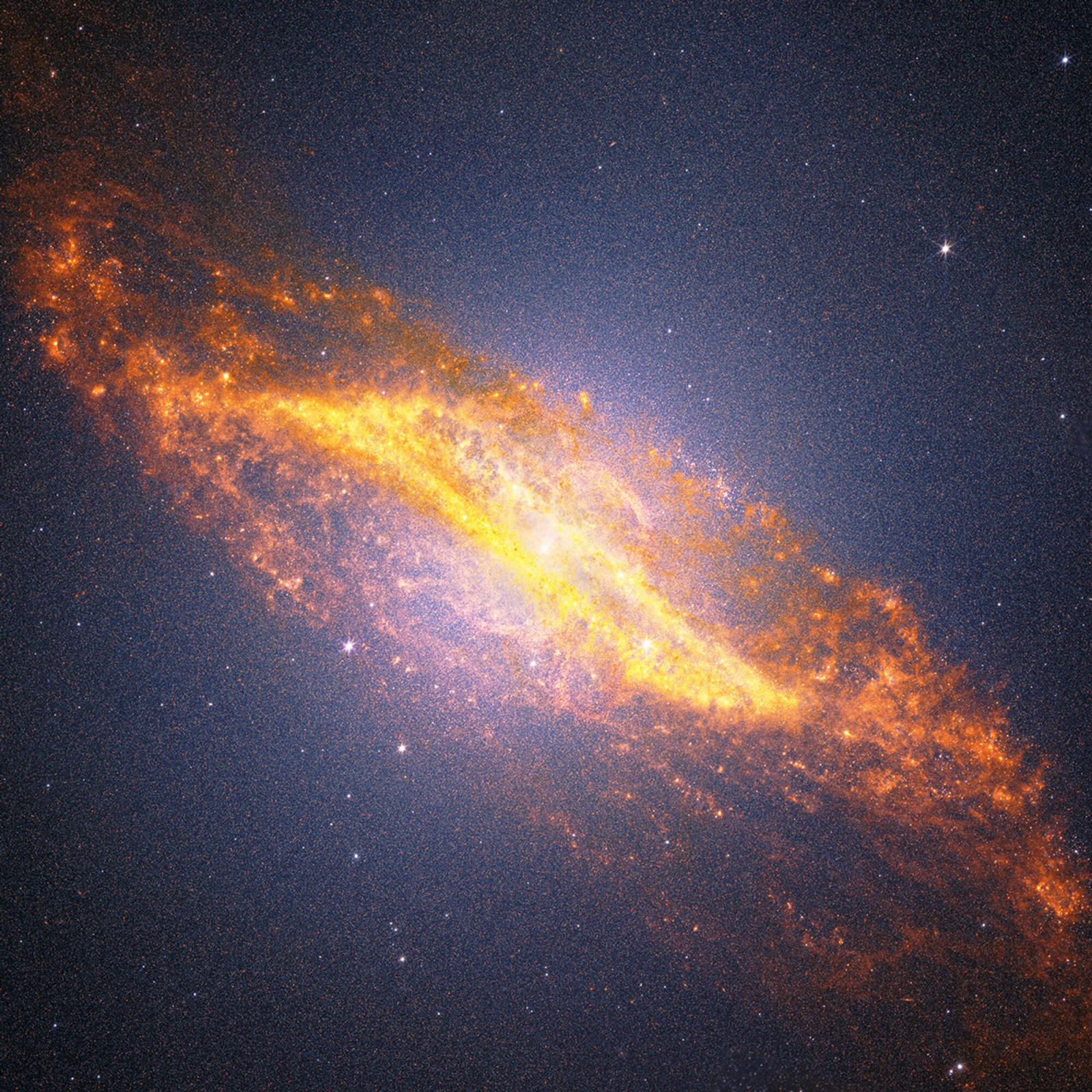
Webb’s observations unveil a transformed view, revealing individual stars and previously unseen regions. The telescope’s near- and mid-infrared sensors enable astronomers to penetrate dust and analyze the processes shaping Centaurus A over billions of years.
This discovery represents another significant achievement in Webb’s mission, as it continues to deliver unprecedented detail on the cosmos. The telescope aids scientists in exploring how galaxies form, evolve, and interact with central black holes.
Webb Discovers Complex Dust Structures Within Centaurus A
NASA reports that Webb’s imagery reveals an intricate web of dusty features inside Centaurus A, including a warped band traversing the galaxy’s core and a peculiar S-shaped formation detected by the telescope’s MIRI (Mid-Infrared Instrument).
Astronomers are investigating whether these unusual structures result from the ancient galactic interaction, ongoing star formation, or the influence of the galaxy’s central supermassive black hole.
Centaurus A hosts an active supermassive black hole at its center, which consumes surrounding material and emits powerful jets of energy. These jets extend beyond the galaxy’s core, impacting gas movement and star formation conditions.
Webb’s data also shows glowing regions associated with dust-laden stars and stellar birthplaces—sites where aging stars return material to space and new stars and planets may eventually form.
By combining infrared images with detailed stellar observations, Webb provides astronomers with a rich record of Centaurus A’s evolution, where each star holds clues to past formation, disruption, and regeneration phases.
An Exceptional Site for Studying Black Hole and Galaxy Coevolution
Centaurus A offers a rare glimpse into the reciprocal effects between a galaxy and its central black hole—one of modern astronomy’s key puzzles since black holes can both stimulate and suppress star formation.
Webb’s findings reveal rapidly moving gas near the galaxy’s core, likely driven by black hole activity. Researchers also detected warmer molecular hydrogen within a warped, rotating disk, enhancing understanding of matter behavior in this intense environment.
The relationship between black holes and their host galaxies is multifaceted; energy output from the black hole may compress gas to trigger star birth, but energetic outflows can also deplete material, restricting future star formation.
With Webb’s detailed insights, astronomers can study not just Centaurus A’s final form but also the sequence of events that shaped it.
This investigative method resembles galactic archaeology, reconstructing a galaxy’s past by examining its stellar, gaseous, and dust components. Webb’s data presents a clearer narrative of the collision that redefined Centaurus A and the ensuing activity.
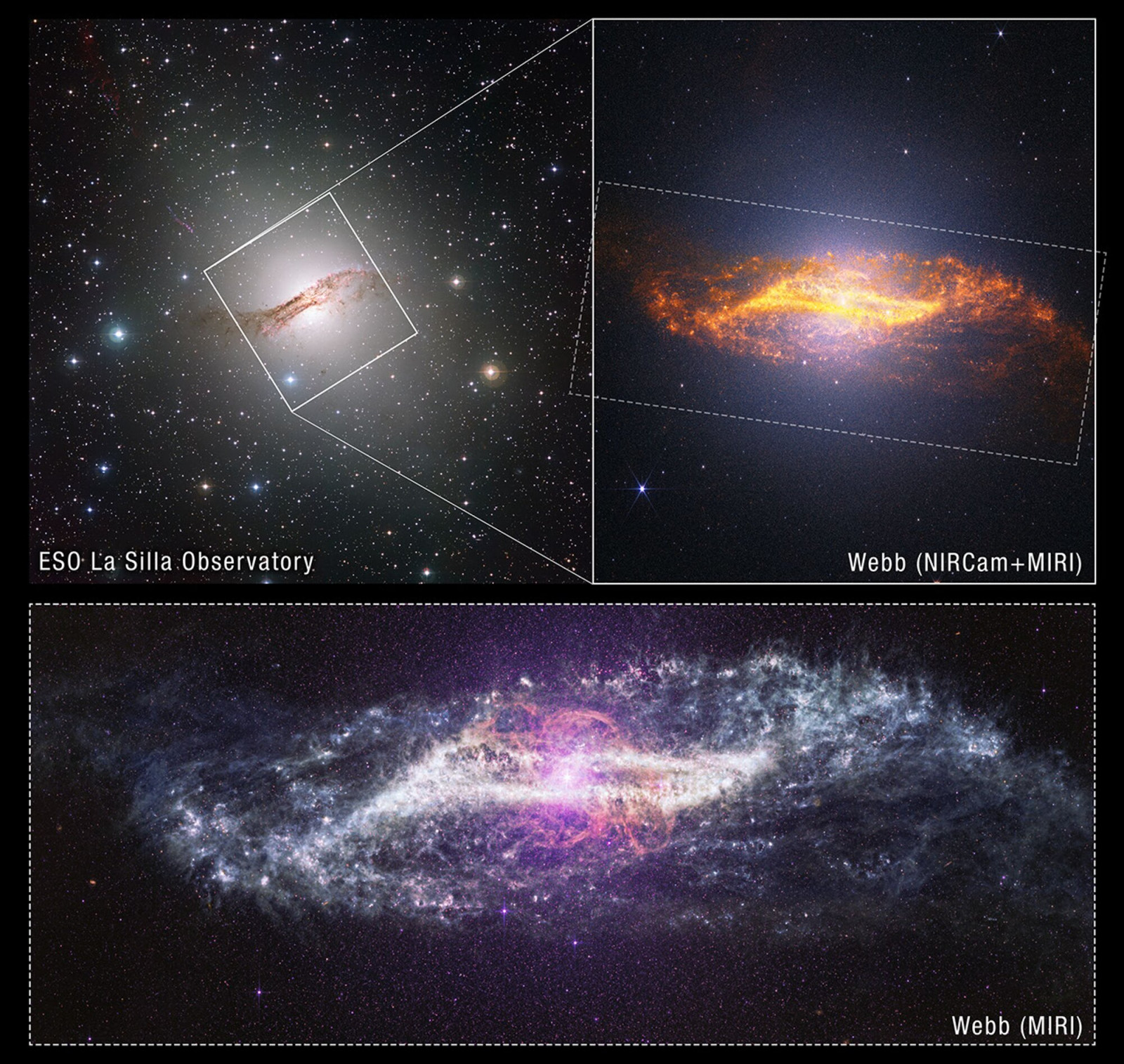
Webb Introduces a New Era in Galactic Collision Research
The fresh Webb imagery of Centaurus A illustrates the power of infrared astronomy to uncover universe regions hidden in visible light. The previously veiled, dust-shrouded core now offers detailed insight into the forces driving cosmic evolution.
The James Webb Space Telescope is continually pushing beyond the reach of earlier missions, enabling scientists to probe distant galaxies, analyze planetary systems, and explore cosmic origins with unmatched accuracy.
Centaurus A remains an active, evolving galaxy, shaped by a collision billions of years ago that still influences its development today. Webb’s observations give a clearer view into how galaxies grow, merge, and transform across cosmic time.
This breakthrough also underscores the importance of combining data from multiple space observatories. Each mission builds upon the last, enriching our comprehension of how galaxies and black holes coevolve.
- Categories:
- Astronomy


0 comments
Sign in to Comment