
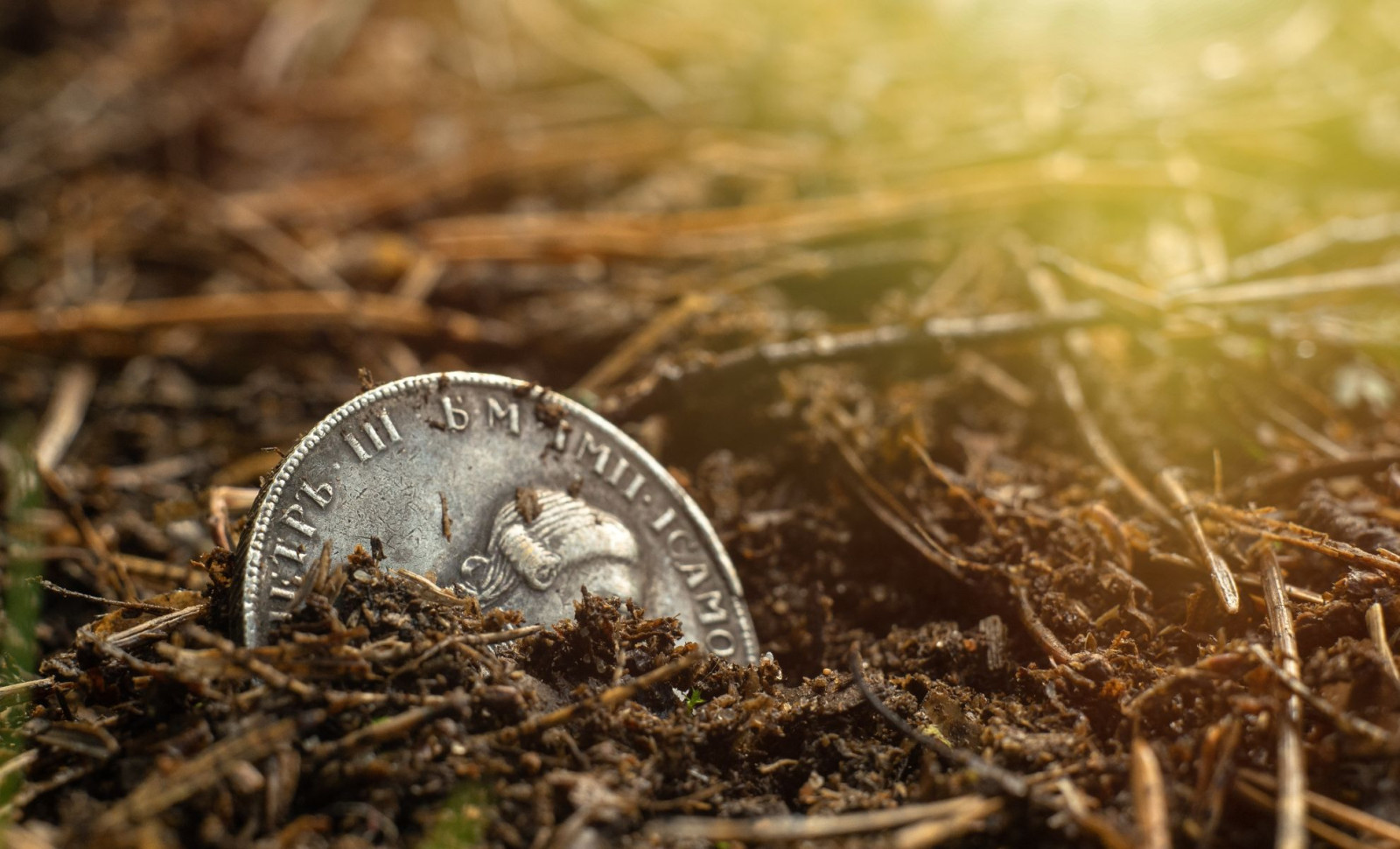
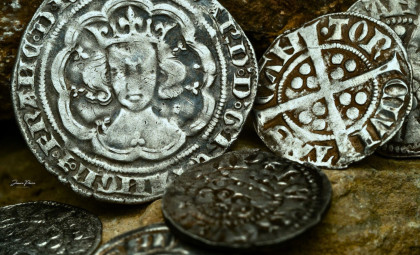
An eight-real silver coin discovered beneath the remains of a colonial-era church has allowed researchers to pinpoint the exact location where Ciudad del Rey Don Felipe was established in 1584. This coin emerged during archaeological digs near Chile's Strait of Magellan, an area where Spain aimed to set up a strategic settlement to oversee a vital maritime passage.
The colony endured a brief existence before succumbing to starvation, illness, and the harsh environment. The site later earned the grim name Puerto del Hambre, or Port Famine. Prior knowledge about the settlement relied heavily on historical texts, making this tangible find a rare and valuable confirmation of those accounts.
Small Coin, Significant Evidence
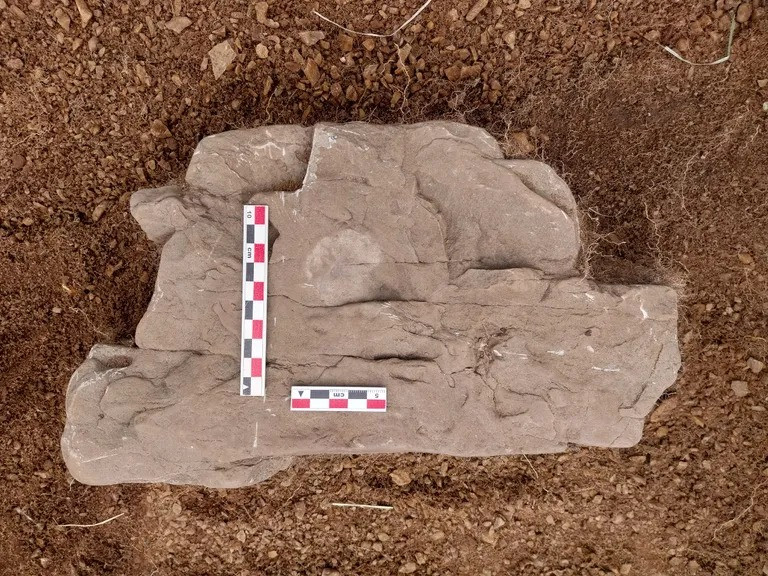
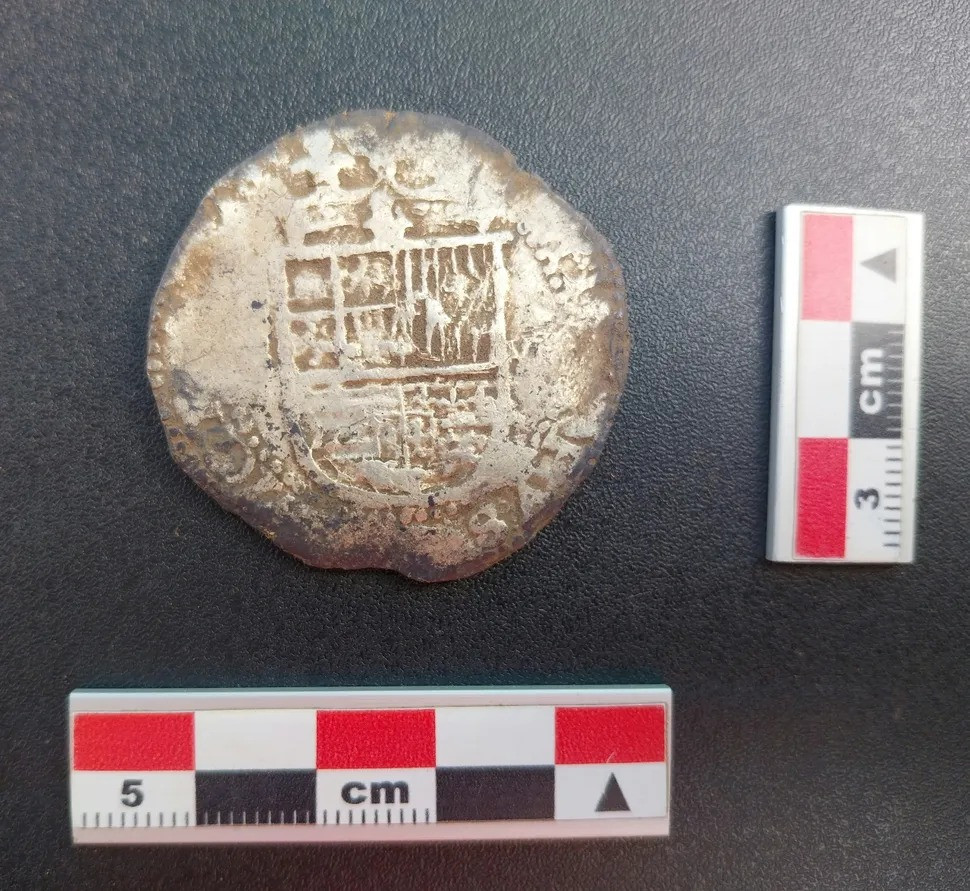
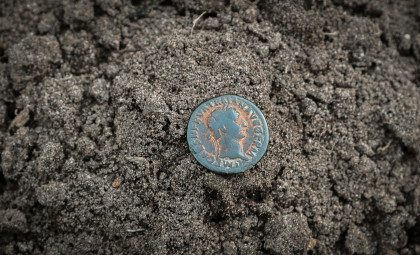
The silver coin, a real de a ocho or piece of eight, displays the emblem of Philip II of Spain. It was uncovered atop a foundation stone of the church during a March excavation led by historian Soledad González Díaz from Bernardo O’Higgins University, collaborating with Chile’s National Research and Development Agency.

As reported by Live Science, this discovery aligns closely with the documented religious rite conducted when Spanish explorer Pedro Sarmiento de Gamboa formally founded Ciudad del Rey Don Felipe in 1584.
“This discovery provides a rare and powerful point of convergence between written sources and archaeological evidence,” said González Díaz. “It not only helps to confirm the location and layout of key structures within the settlement but also opens new possibilities for reconstructing [its] spatial organization.”
A Settlement Doomed From the Start
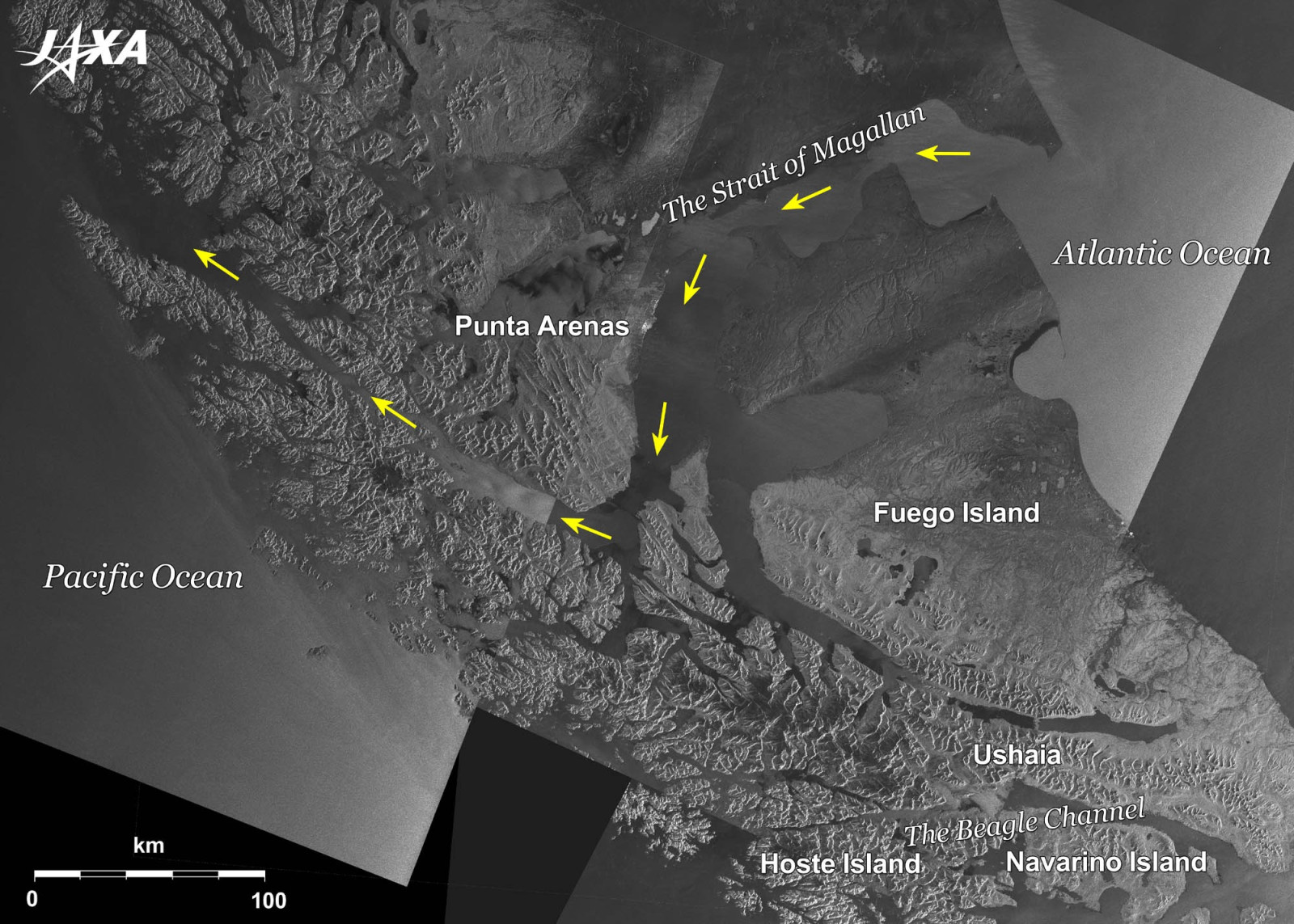
Spain initiated the colony upon learning that English navigator Francis Drake had traversed the Strait of Magellan, a narrow channel connecting the Atlantic and Pacific oceans. According to Smithsonian Magazine, the Spanish monarchy aimed to fortify this critical route and exclude foreign ships.
The endeavor faced immediate setbacks. Approximately twenty-four vessels were dispatched toward the strait, but only a few reached the destination. Pedro Sarmiento de Gamboa continued with a reduced group of settlers, but southern Chile’s brutal climate and scarcity of resources proved overwhelming.
Famine, illness, and harsh weather devastated the population. Several years later, English explorer Thomas Cavendish encountered the dwindling survivors. From then on, the area was infamously dubbed Port Famine.
Modern Technology Unlocks Ancient Mysteries
Rather than excavating the entire site blindly, the research team employed noninvasive methods to identify promising areas first. As detailed in Heritage Daily, they utilized metal detectors and GPS equipment to map subsurface targets prior to digging.
“We detected a strong signal, but we didn’t know what it was until we carried out targeted excavations,” archaeologist Francisco Garrido said.
Discovering the church’s precise location is a key breakthrough. Garrido notes that this finding will assist archaeologists in mapping out where other buildings were, shedding light on the colony’s original design.
- Categories:
- News





0 comments
Sign in to Comment