
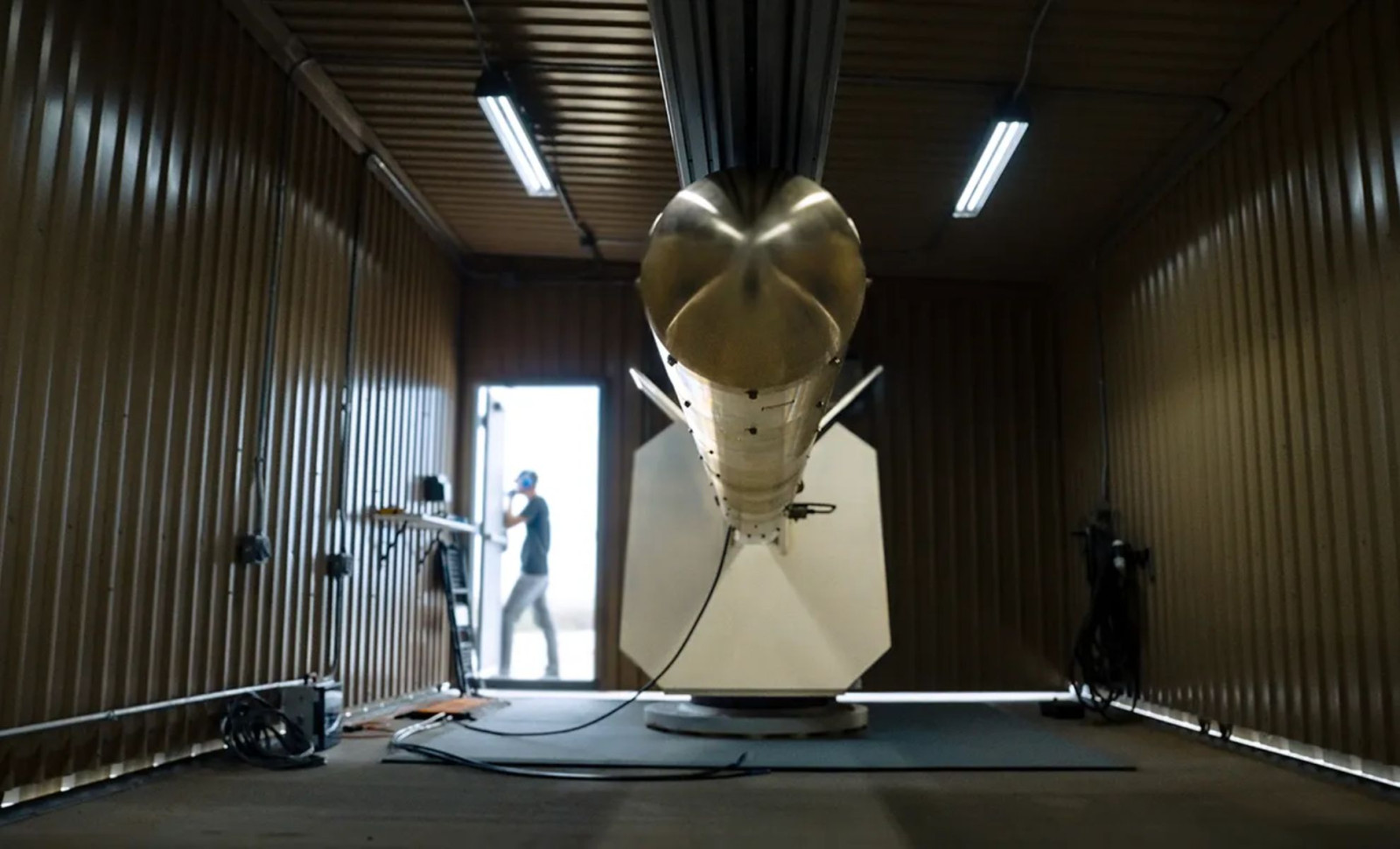
Venus Aerospace has received a substantial funding boost of $91 million to accelerate the advancement of its pioneering rotating detonation rocket engine (RDRE) technology. This capital injection will support transitioning the engine from successful experimental flights to mass production, enabling new possibilities in hypersonic travel and space exploration beyond Earth.
Major Funding Push for a Promising Propulsion Innovation
The rotating detonation rocket engine has long been heralded as a transformative concept in aerospace engineering, but bringing it to practical fruition has proven complex. The Houston-based company recently achieved a key breakthrough by successfully flying an RDRE-powered vehicle in May 2025, marking a historic first flight of its kind originating from the United States.
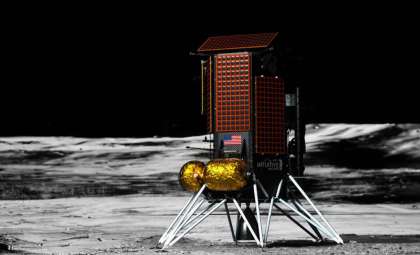
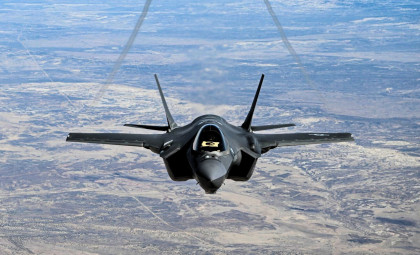
This latest Series B funding round, led by Mercury Fund and supported by investors like Lockheed Martin Ventures, equips Venus Aerospace with resources to scale production. The company foresees their engines enabling aircraft to operate from standard runways up to near hypersonic speeds of Mach 6 as well as powering spacecraft for lunar and deep-space missions.

Co-founder and CEO Sassie Duggleby highlighted the broader manufacturing and defense objectives driving the project. “Our clients require propulsion systems with longer reach, dependable manufacturing, and secure supply chains,” she stated. “We are driving this forward through American engineering excellence to enhance U.S. defense capabilities, broaden space access, and pave the way for future high-speed flight.” Her remarks underscore the company’s dedication to not only demonstrating advanced technology but ensuring its dependable production and practical use.
What Makes Rotating Detonation Rocket Engines a Game Changer?
Unlike traditional rocket engines that burn fuel steadily inside a combustion chamber, an RDRE generates thrust by maintaining a rapidly rotating detonation wave in a ring-shaped chamber. This method promises significantly greater combustion efficiency, increased chamber pressure, and stronger thrust with less fuel consumption.
Such benefits have intrigued researchers for years since more efficient propulsion directly improves payload capacity, mission adaptability, and operational range. The critical challenge was engineering an engine that can withstand and operate reliably under the extreme conditions produced by continuous detonations—a formidable hurdle in aerospace development.
Space.com reports that Venus Aerospace’s flight success represents a rare achievement beyond laboratory testing, as their RDRE operated effectively in real flight. This milestone boosts optimism that rotating detonation technology is nearing viable application after decades of research hurdles.
Transitioning From Prototype Flights to Real-World Missions
While the demonstration flight garnered significant publicity, Venus Aerospace emphasizes the importance of reliable, repeatable engine performance across diverse mission requirements. Moving from prototype to operational use demands refined manufacturing, enhanced durability, thorough performance validation, and integration into mission-ready vehicles.
Co-founder and CTO Andrew Duggleby explained that the achievement reflects more than just a functional engine. “Our RDRE distinguishes itself not only by its performance but because it was engineered with scale, manufacturability, and mission compatibility at its core,” he said. “The propulsion system we’re delivering offers efficiency, throttle control, reusability, and manufacturability — all features critical to defense and space customers. Our goal is turning technical success into reliable operational hardware.”
This focus positions Venus Aerospace well in a competitive aerospace market. The company aims to provide propulsion solutions that support defense agencies, commercial aerospace ventures, and ambitious space exploration programs. Their engine’s adaptability, reusability, and compatibility with scalable production align with demands for propulsion systems that can meet increasing launch frequencies and complex mission profiles.
- Categories:
- News







0 comments
Sign in to Comment