
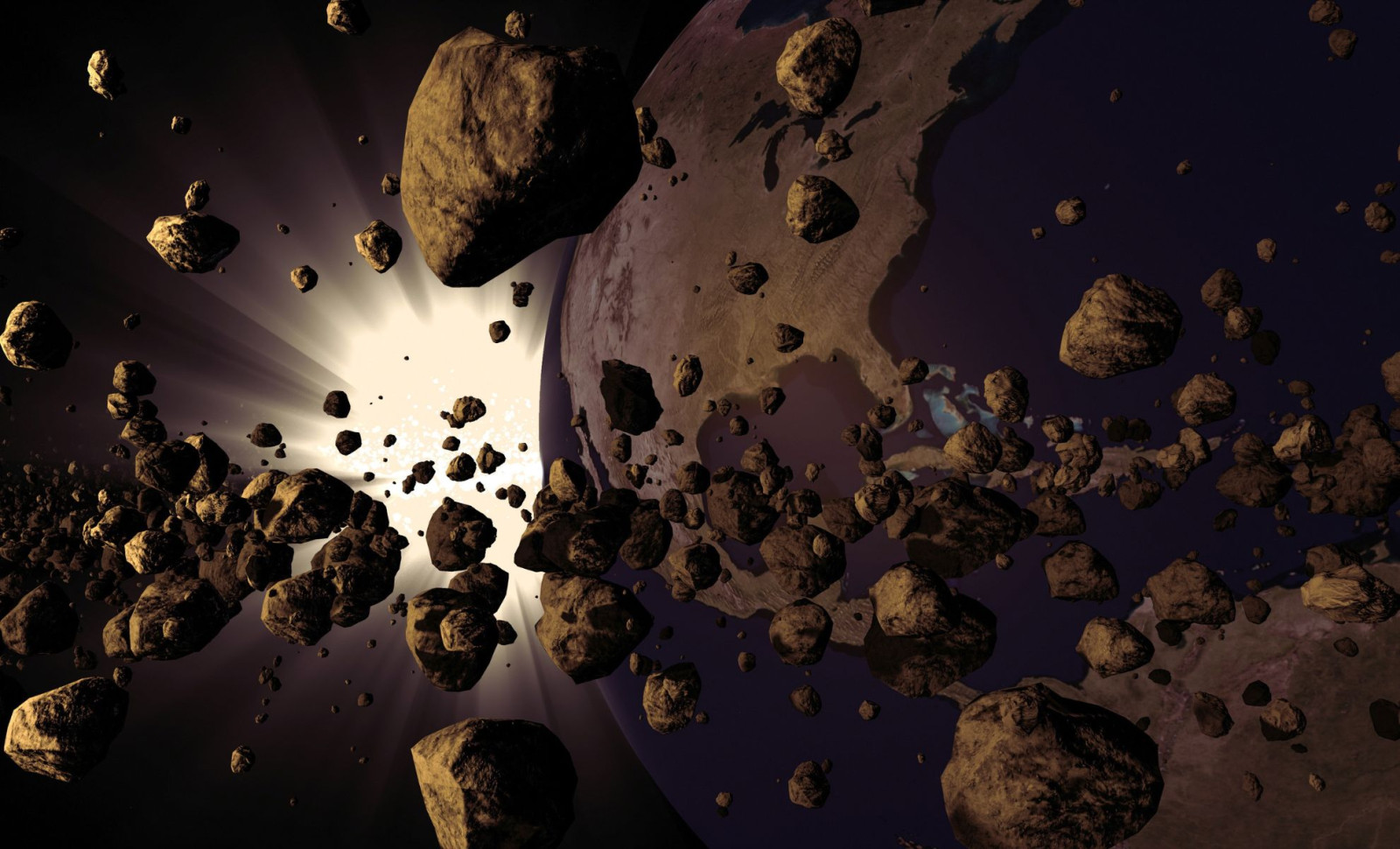
Recently published research in the journal Space: Science and Technology introduces a groundbreaking method to protect Earth from large asteroid threats. Instead of detonating a nuclear device on the asteroid's surface, the study proposes drilling deep into the asteroid before triggering the explosion. This technique promises to channel considerably more energy into the asteroid’s core, potentially enhancing the chances of diverting catastrophic impacts.
Limitations of Current Asteroid Intervention Techniques
Efforts to shield our planet from hazardous near-Earth objects have advanced remarkably over recent decades. Space agencies around the globe continuously scan and track these space rocks, forecasting their orbits with impressive accuracy. Although no immediate threats are known today, historical data confirm asteroid impacts remain a future inevitability. The 2013 Chelyabinsk event, for instance, revealed how even smaller space debris can inflict widespread harm, while larger asteroids pose even greater risks regionally or globally.
The peer-reviewed article highlights a critical issue: if a large asteroid is detected with limited lead time, conventional non-nuclear interventions may lack sufficient force to meaningfully alter its path. As stated in their announcement, “Traditional kinetic impact, or long-term force deflection methods, offer limited energy and cannot achieve effective deflection within short timeframes.” This limitation underscores the continued interest in nuclear options as a last-resort defense, especially against space rocks exceeding 100 meters in diameter.

Introducing the Concept of Subsurface Nuclear Detonation
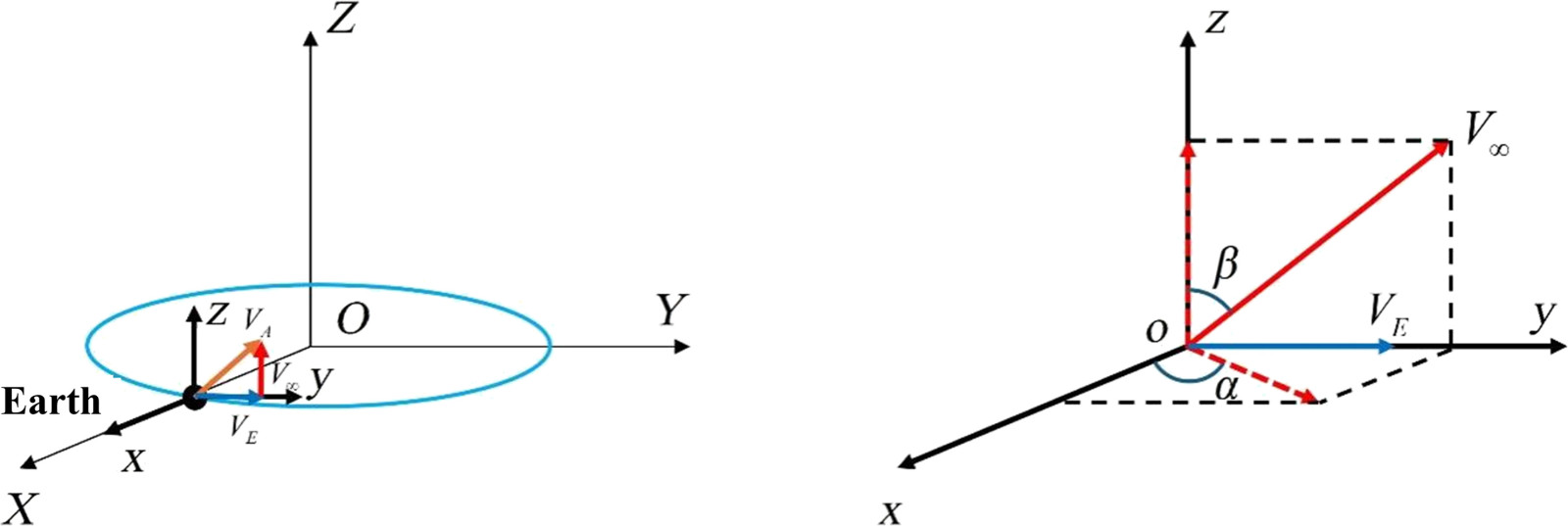
Under the guidance of Xiaowei Wang from the China Academy of Launch Vehicle Technology, the research team explored two nuclear deflection models through comprehensive simulations. The first mirrors traditional proposals where a space probe impacts the asteroid’s surface followed by a shallow nuclear detonation. The novel “pre-excavation detonation” strategy, however, involves drilling a deep cavity prior to explosion, enabling the nuclear device to detonate inside the asteroid’s interior. Simulation results show this significantly enhances energy transfer into the rock rather than dispersing energy into space.
The team summarized in their press communication,
“The flyby pre-excavation detonation mode, due to its ability to autonomously select the cratering location and achieve deep detonation, offers stronger energy coupling.”
Factoring in launch capabilities, spacecraft impact speeds, asteroid properties, and warning periods from one year up to twenty years, the deep-detonation approach consistently outperformed surface-based methods when given adequate preparation time.
Enhanced Effectiveness for Larger Space Threats
Findings indicate that underground nuclear blasts become more advantageous as asteroid size increases. The study suggests this method could obliterate asteroids around 100 meters in diameter and impart sufficient momentum shifts to deflect objects nearing a kilometer wide, provided missions commence with enough lead time. A velocity alteration of roughly one meter per second could deflect an asteroid away from Earth if applied early enough. The timing of intervention remains vital since even minor velocity changes can accumulate into major orbital shifts when made months or years ahead of impact.
Moreover, the deep blast approach allows precise selection of the detonation site within the asteroid, unlike surface explosions constrained by impact geometry. This greater control contributes to stronger outcomes, making it a promising candidate for advancing future planetary defense tactics.
The Role of Surface Explosions in Urgent Scenarios
Despite the superior performance of deep nuclear detonations, researchers stress surface impact missions still have value in emergency situations. When detection time is extremely limited, the extra steps required for deep excavation may be unfeasible. In such cases, deploying a rapid surface-impact detonation, though less efficient, might be the only viable option.
The study warns of constraints with this approach, stating,
“The impact location is random, energy coupling is weak, and requirements for the nuclear device’s impact resistance and detonation timing are extremely stringent.”
These engineering obstacles make surface detonations less reliable. Still, speed could take precedence over efficiency if time is scant. Decision-makers must weigh asteroid characteristics, time available, and mission complexity when choosing optimal planetary defense measures.
- Categories:
- News








0 comments
Sign in to Comment